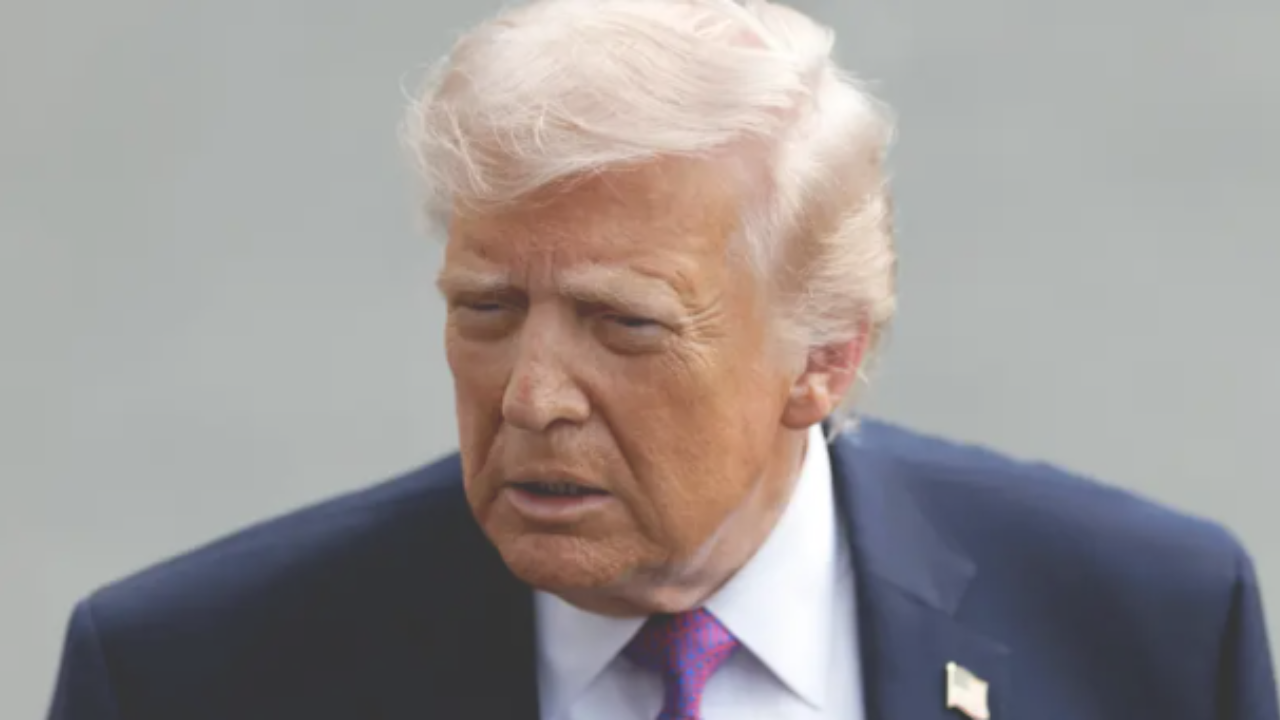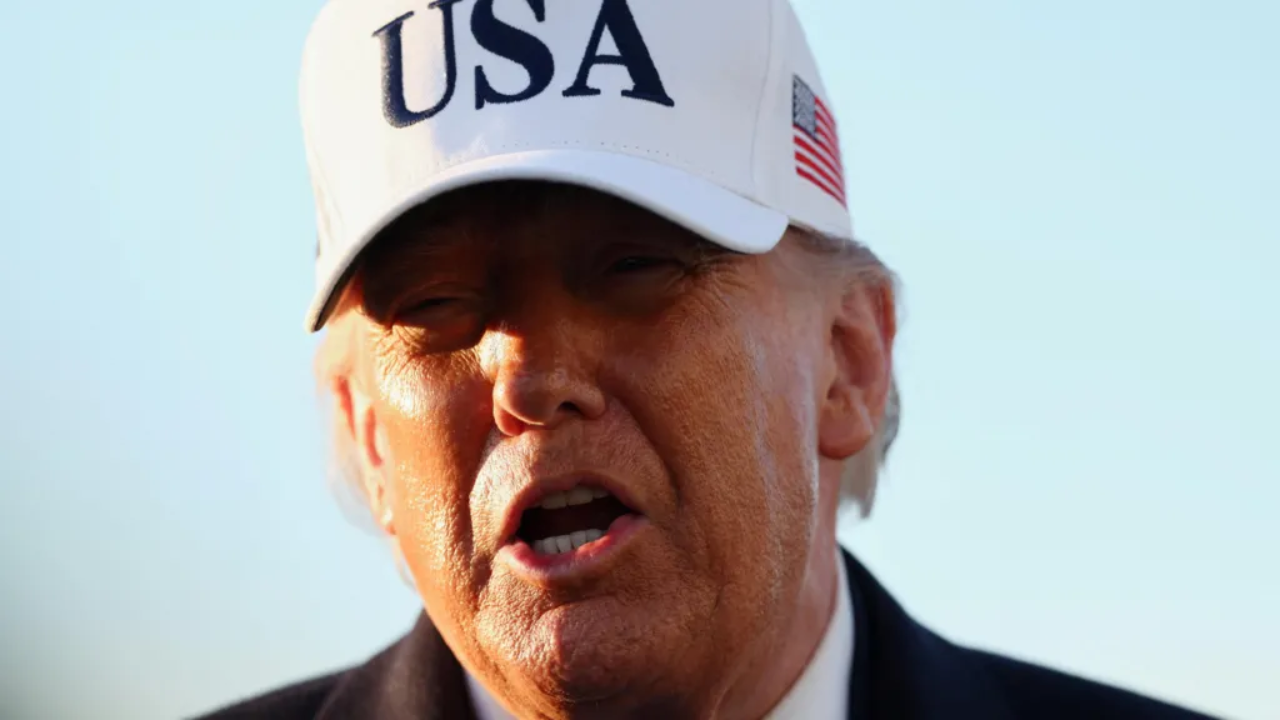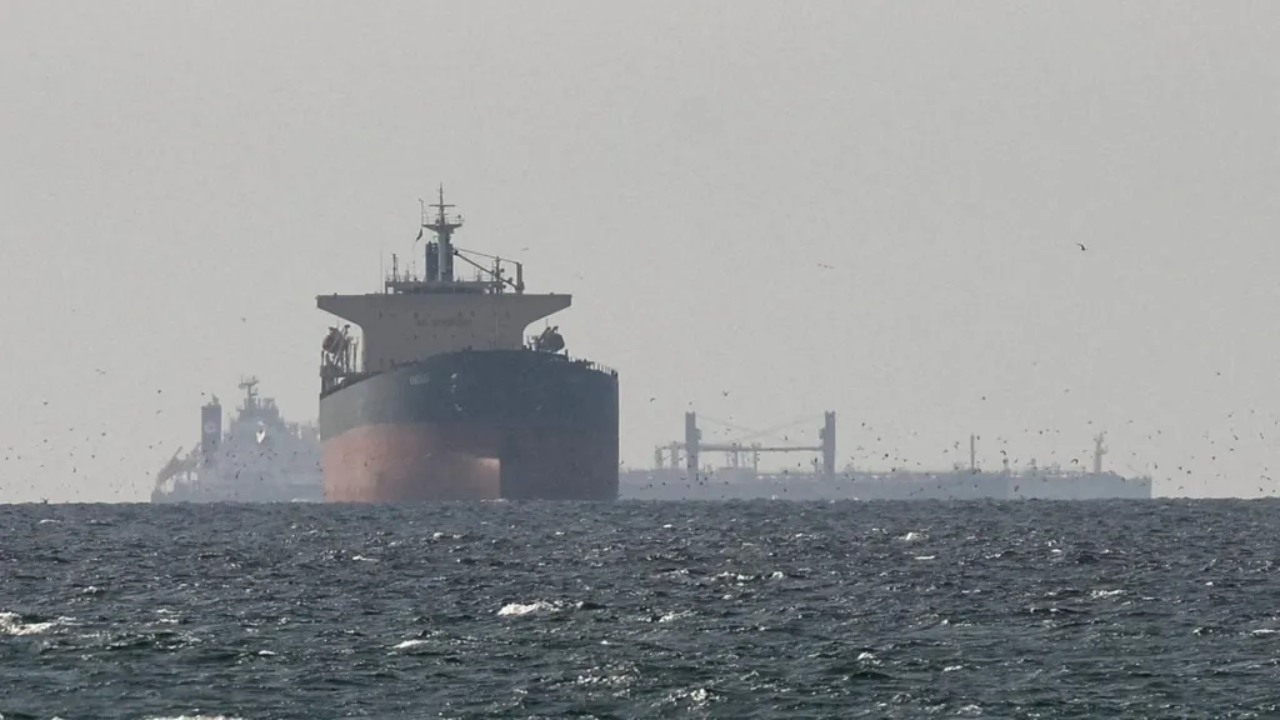
President Donald Trump has issued a high-stakes ultimatum to the international community, calling on the United Kingdom, China, France, and other major oil importers to deploy warships to the Strait of Hormuz.
Thank you for reading this post, don't forget to subscribe!The demand follows three weeks of intensifying conflict between the U.S.-Israel alliance and Iran, which has brought maritime traffic in the world’s most critical energy artery to a virtual standstill.
The “Burden-Sharing” Ultimatum
Trump’s strategy hinges on the argument that the U.S. should not bear the sole cost of securing international trade routes. He has specifically targeted nations with the highest energy stakes:
- To the UK: Pressure is mounting on Prime Minister Keir Starmer to commit Royal Navy assets, despite previous friction regarding the use of British bases for offensive strikes.
- To China & Asia: Trump has signaled that if major importers like China, Japan, and South Korea want their energy supplies protected, they must provide their own “boots on the deck.”
The Reality on the Water
While Tehran claims the Strait remains “open,” the ground (and water) reality tells a different story:
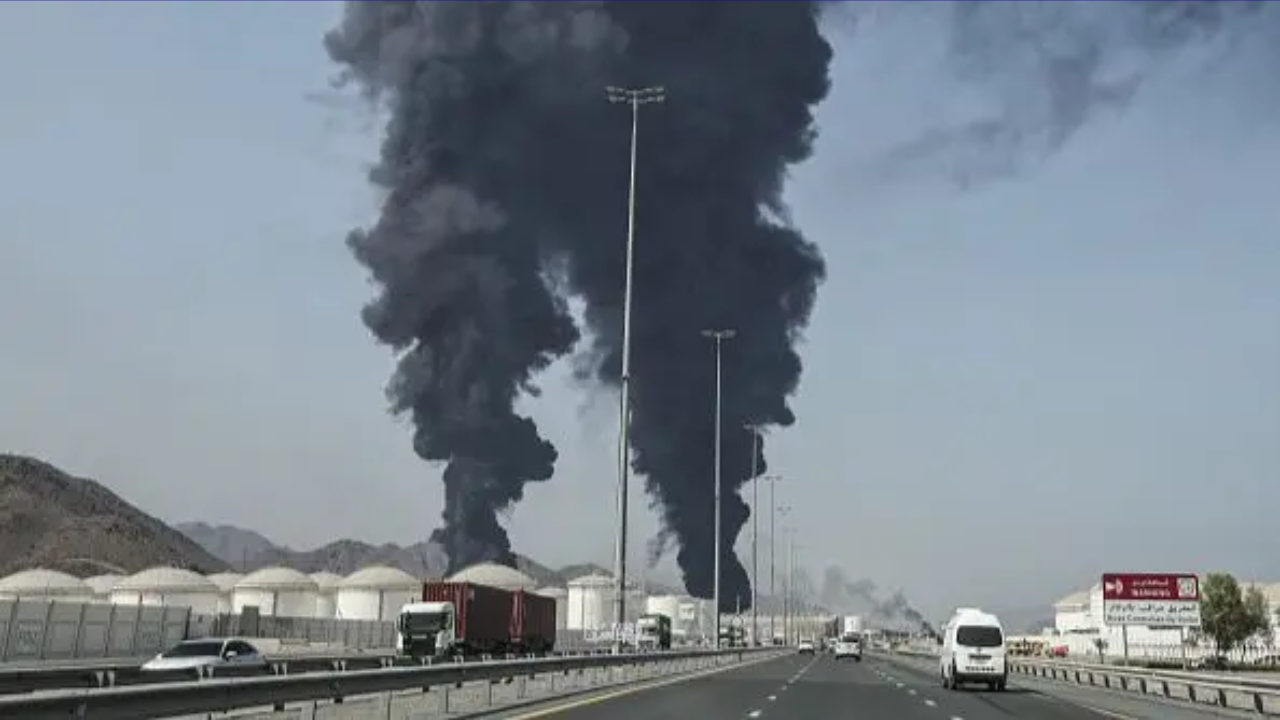
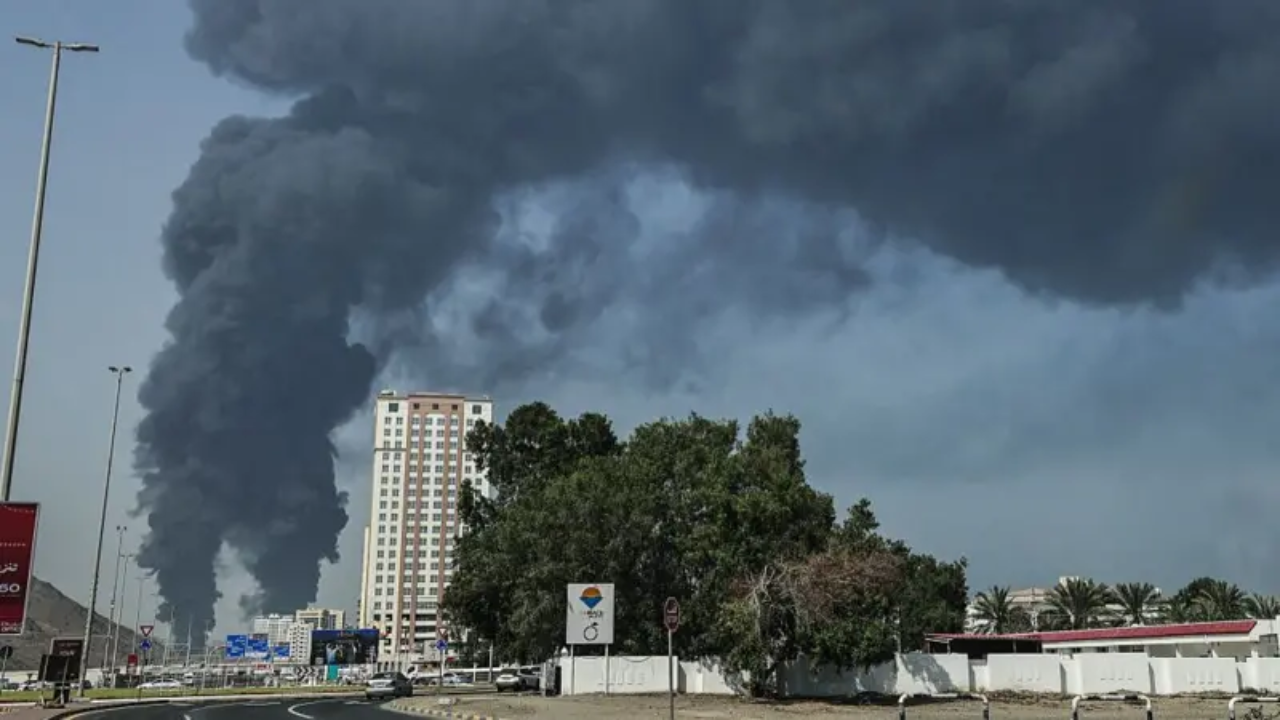
- 90% Traffic Drop: Commercial shipping has evaporated due to the threat of Iranian sea mines and drone swarms.
- Targeted Blockade: Iran has explicitly banned any vessel with U.S. or Israeli ties, effectively turning the waterway into a contested military zone.
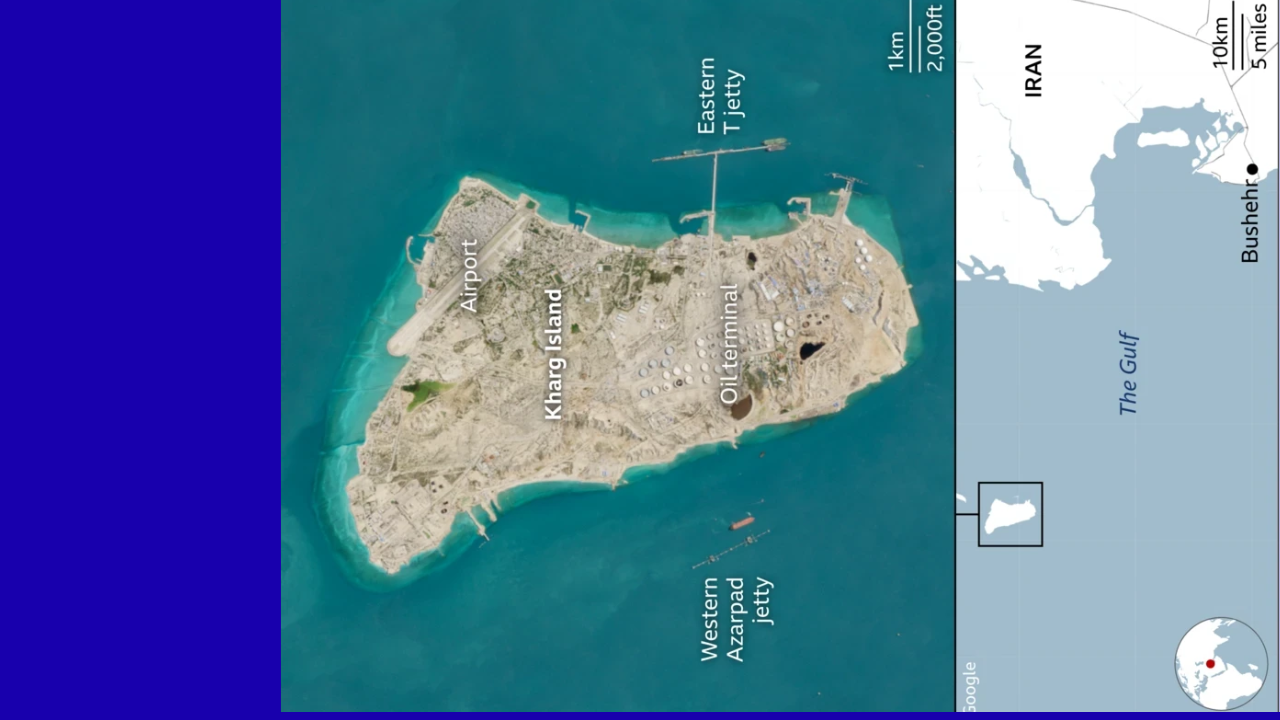
- The Kharg Island Factor: Following U.S.-Israeli strikes on Iran’s primary oil terminal, the risk of asymmetric retaliation against neutral tankers has hit an all-time high.
Strategic Responses: A Divided Front
| Country | Tactical Move | Current Stance |
| United Kingdom | Evaluating “options” | Likely to send mine-hunting drones; hesitant to join offensive maneuvers. |
| France | Deploying Carrier Strike Group | Focusing on “defensive escort” and regional stability. |
| China | Diplomatic Backchannels | Seeking private “safe passage” guarantees from Tehran rather than joining a U.S. coalition. |
The Bottom Line
President Trump has framed the situation as a choice for the world: participate in the protection of global commerce or face the economic consequences of a closed Strait. While he asserts that Iran’s conventional military is “decimated,” the persistent threat of low-cost drone strikes and naval mines remains the primary obstacle to restoring global oil flow.