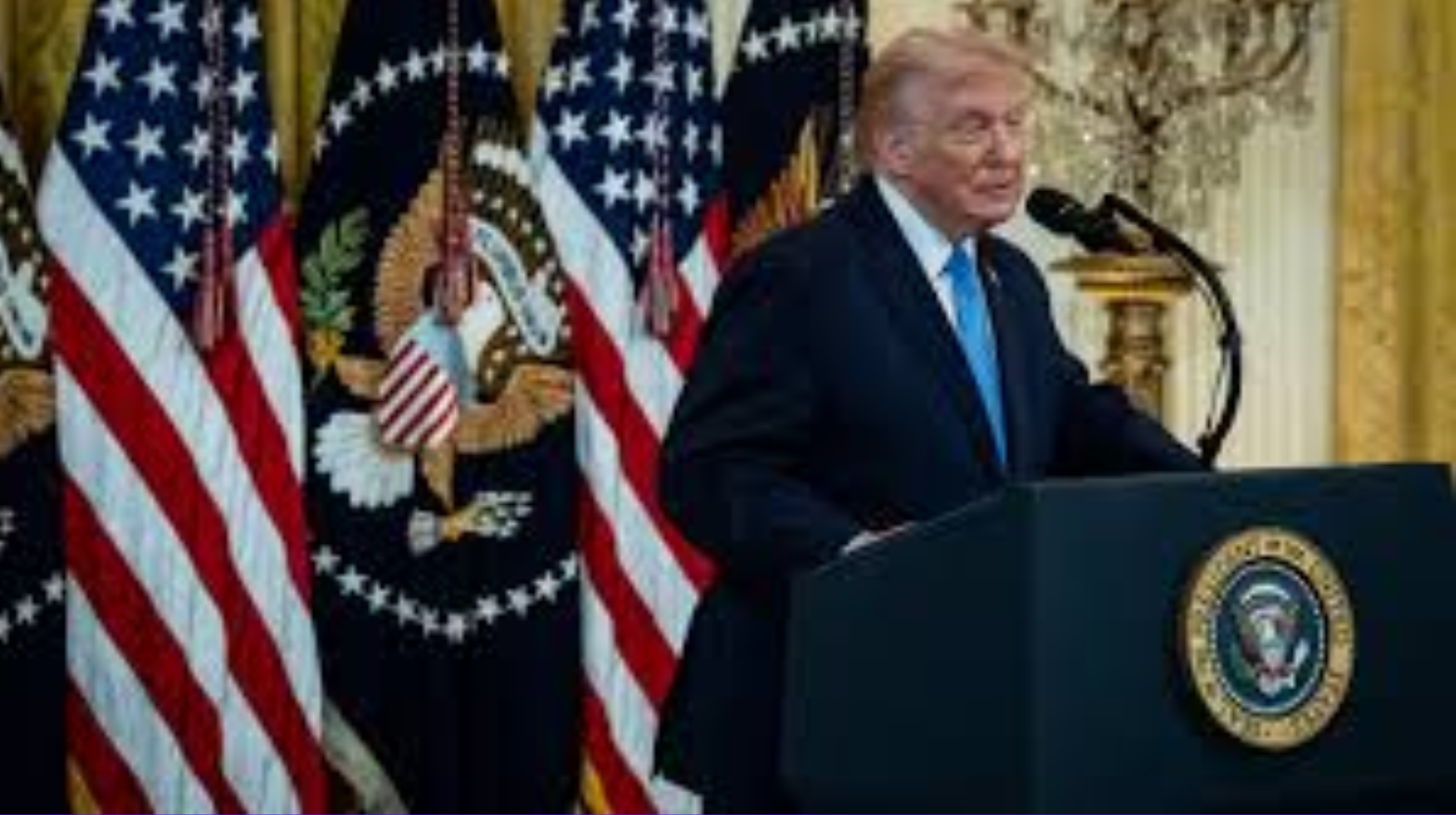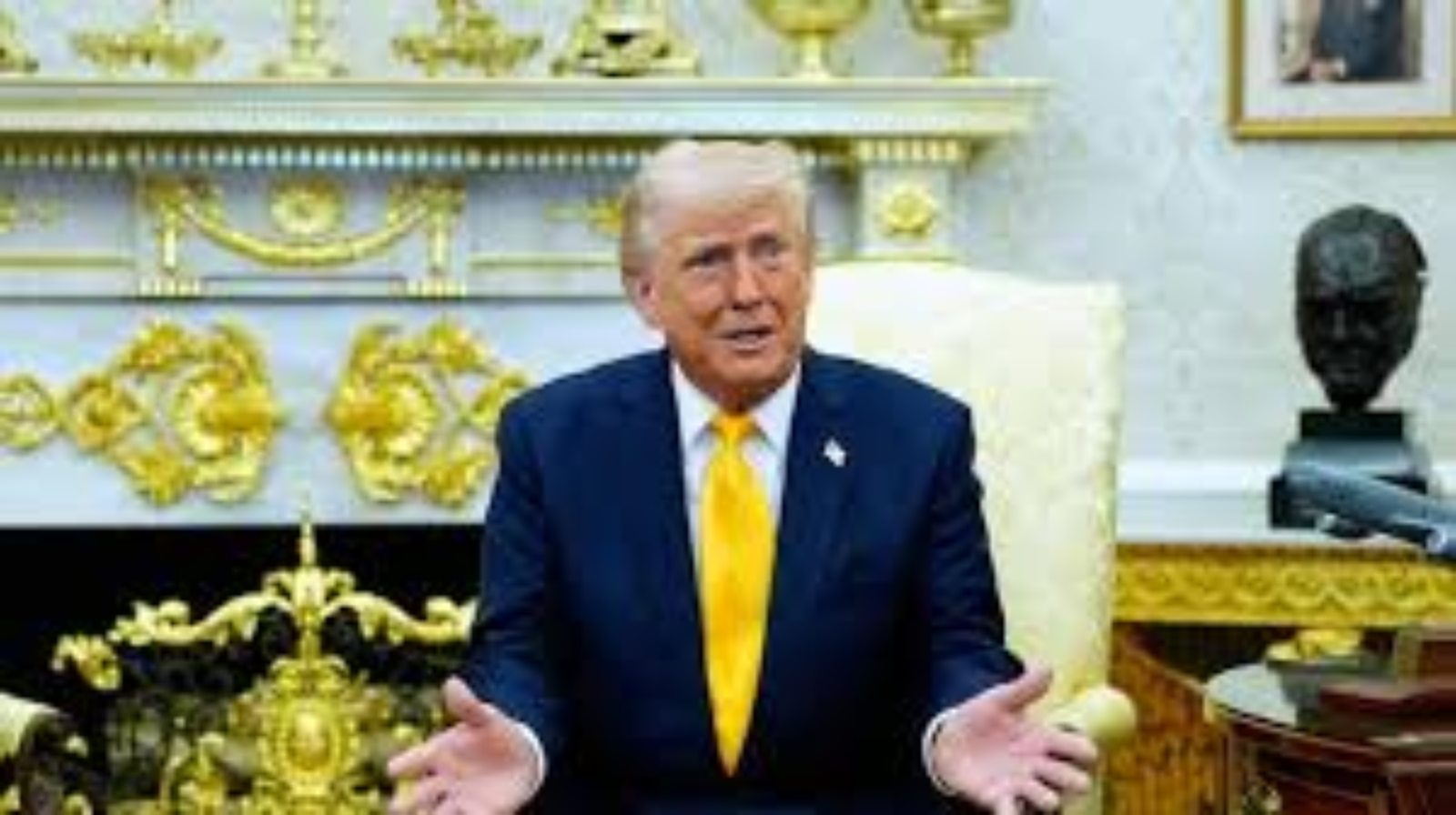
President Trump has introduced a high-stakes ultimatum to NATO allies: continued U.S. weapons shipments to Ukraine are now reportedly tied to European military participation in the Middle East. By linking these two distinct theaters, the administration is pressuring Europe to take an active role in reopening the Strait of Hormuz in exchange for sustained security support in the East.
Thank you for reading this post, don't forget to subscribe!The Strategy: A Security “Trade-Off”
The administration’s stance shifts the burden of global maritime security onto European powers.
- The Ultimatum: U.S. support for the PURL initiative—the primary pipeline for European-funded weapons to Ukraine—may be halted unless European nations join a “Coalition of the Willing” in the Gulf.
- The U.S. Perspective: President Trump has criticized allies for relying on U.S. military might to stabilize Europe while remaining neutral in the Middle East, stating that Europe must take responsibility for its own energy security.
- European Resistance: Key leaders in the UK, France, and Germany have expressed concern that diverting naval assets to the Middle East would spread their defense capabilities too thin and risk direct escalation with Iran.
The Strait of Hormuz Standoff
The Hormuz crisis remains the primary driver of global economic instability.
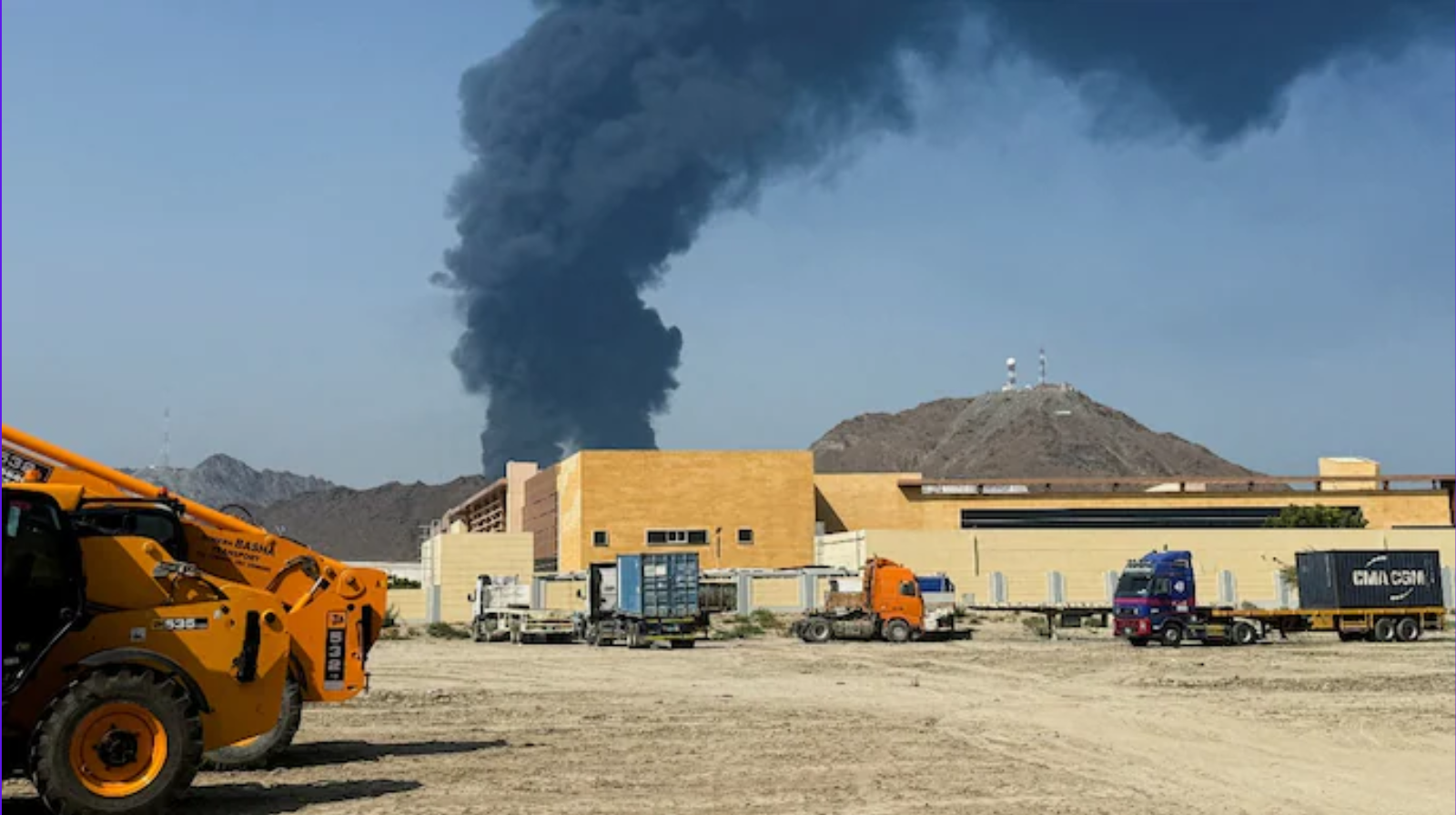
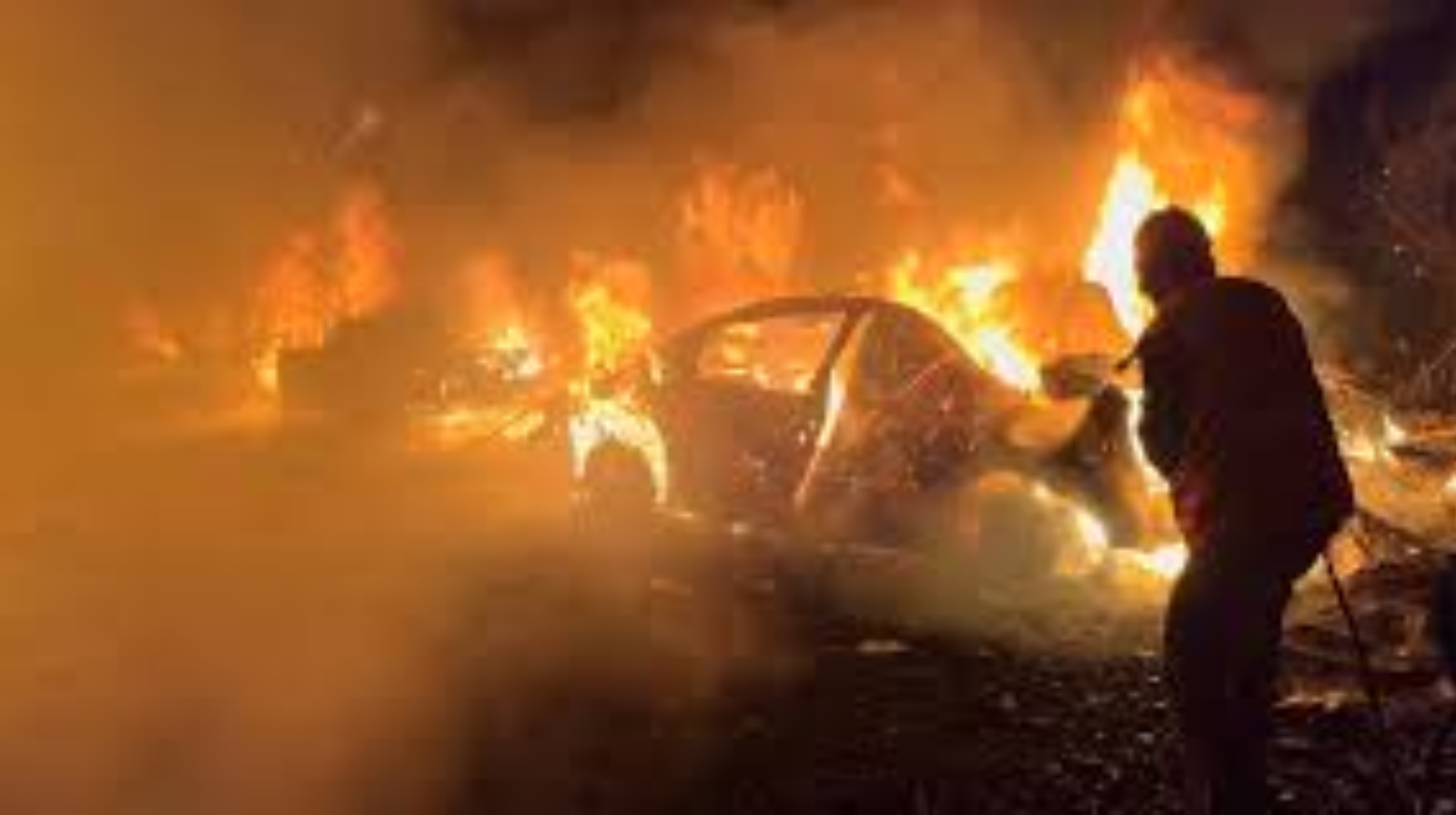
- Maritime Blockade: Following the Operation Epic Fury strikes, the waterway—responsible for the transit of 20% of global oil—has become impassable for commercial tankers.
- Economic Consequences: Major oil producers, including Kuwait and the UAE, have been forced to invoke force majeure clauses, causing massive disruptions in global energy supplies.
- Ongoing Risks: Despite the U.S. neutralizing large portions of Iran’s conventional navy, the persistent threat of land-based drones and missile batteries continues to deter shipping.
Diplomatic Implications
This “Ukraine-for-Hormuz” trade has placed NATO in a precarious position.
- NATO Response: Secretary-General Mark Rutte is currently mediating between Washington and Brussels, attempting to find a middle ground that keeps U.S. arms flowing to Ukraine without committing Europe to a full-scale Middle Eastern conflict.
- Risk of Withdrawal: The White House has signaled that without a commitment from allies, the U.S. may not only cut off Ukraine aid but could also begin a rapid withdrawal from the Iran conflict, leaving the regional power vacuum for others to fill.