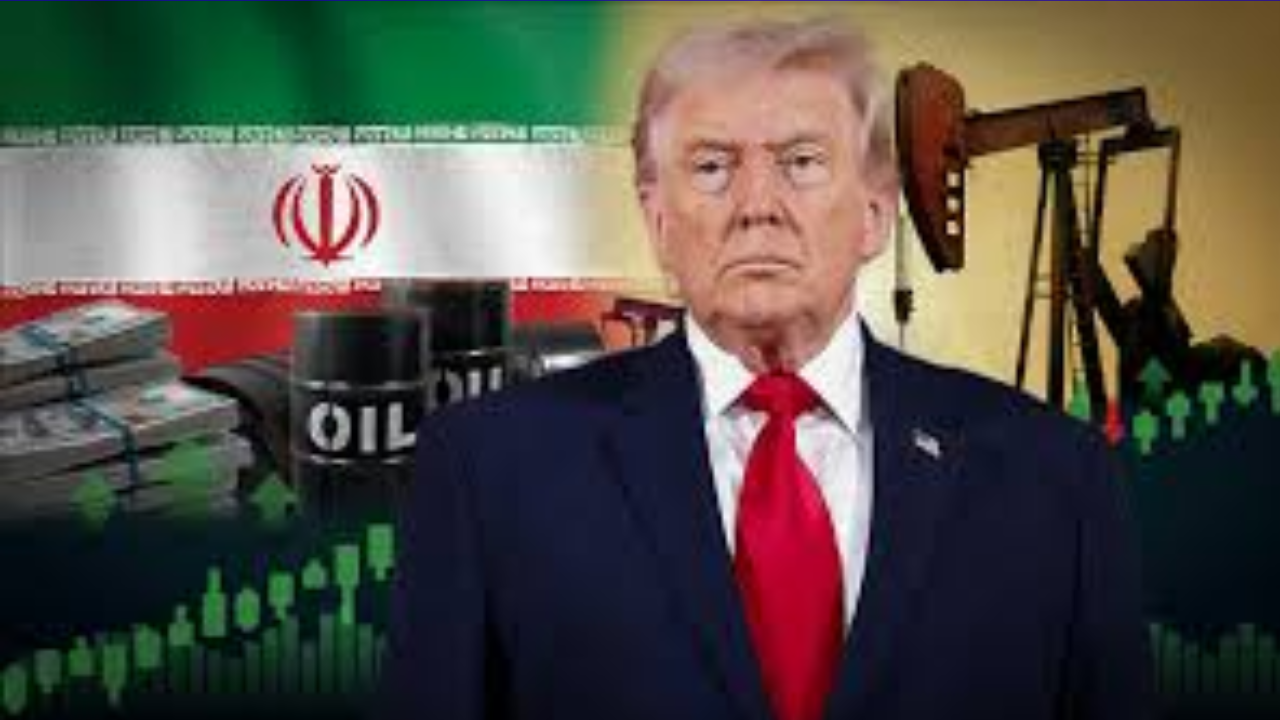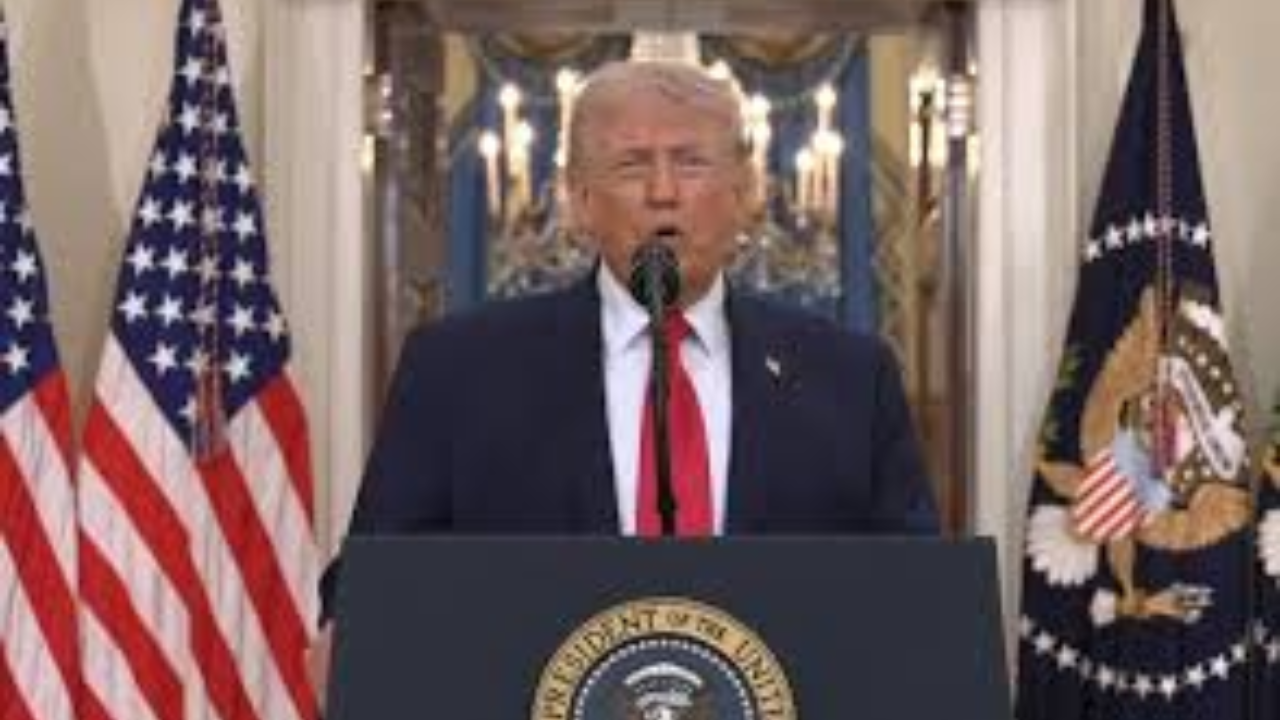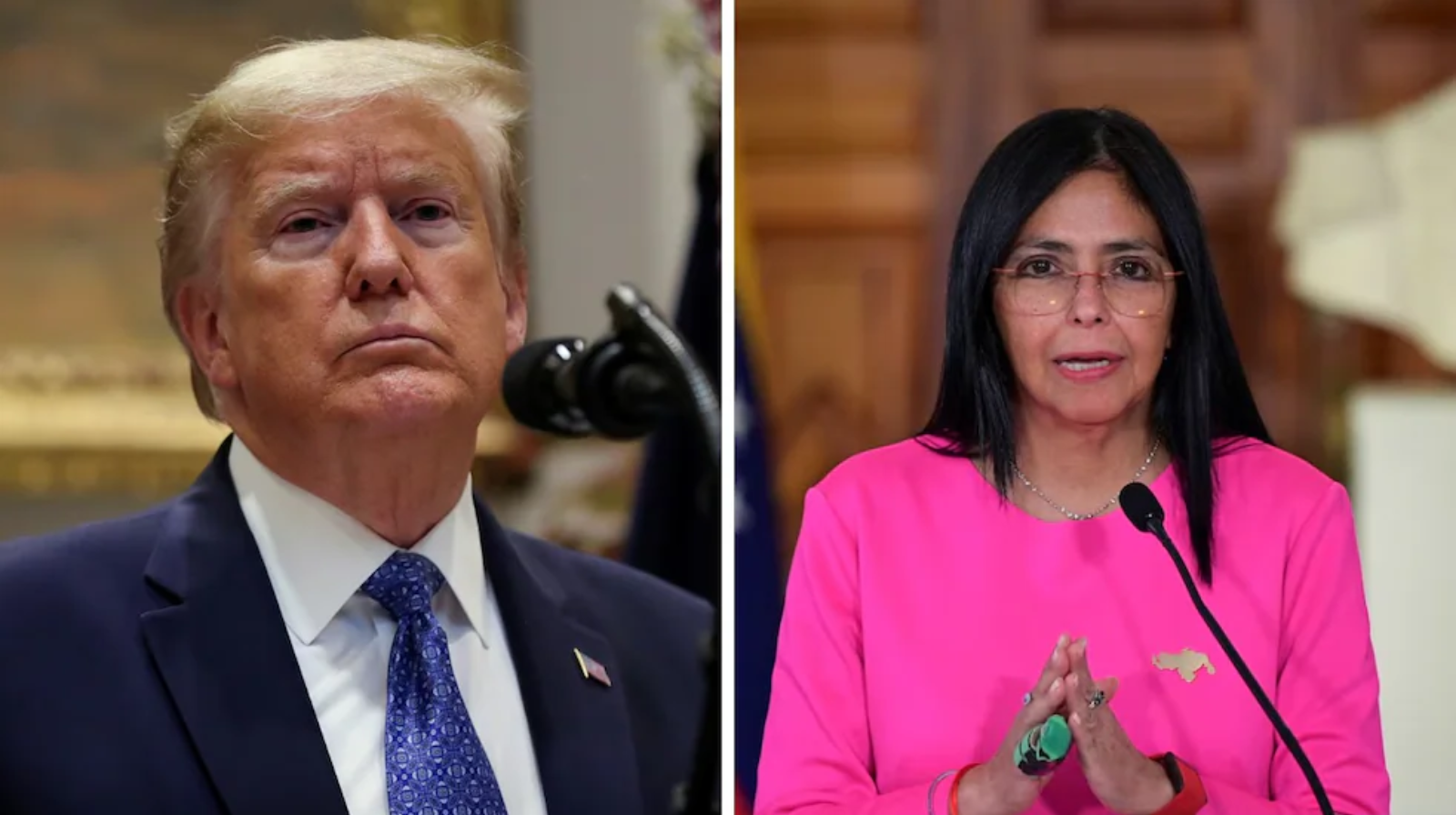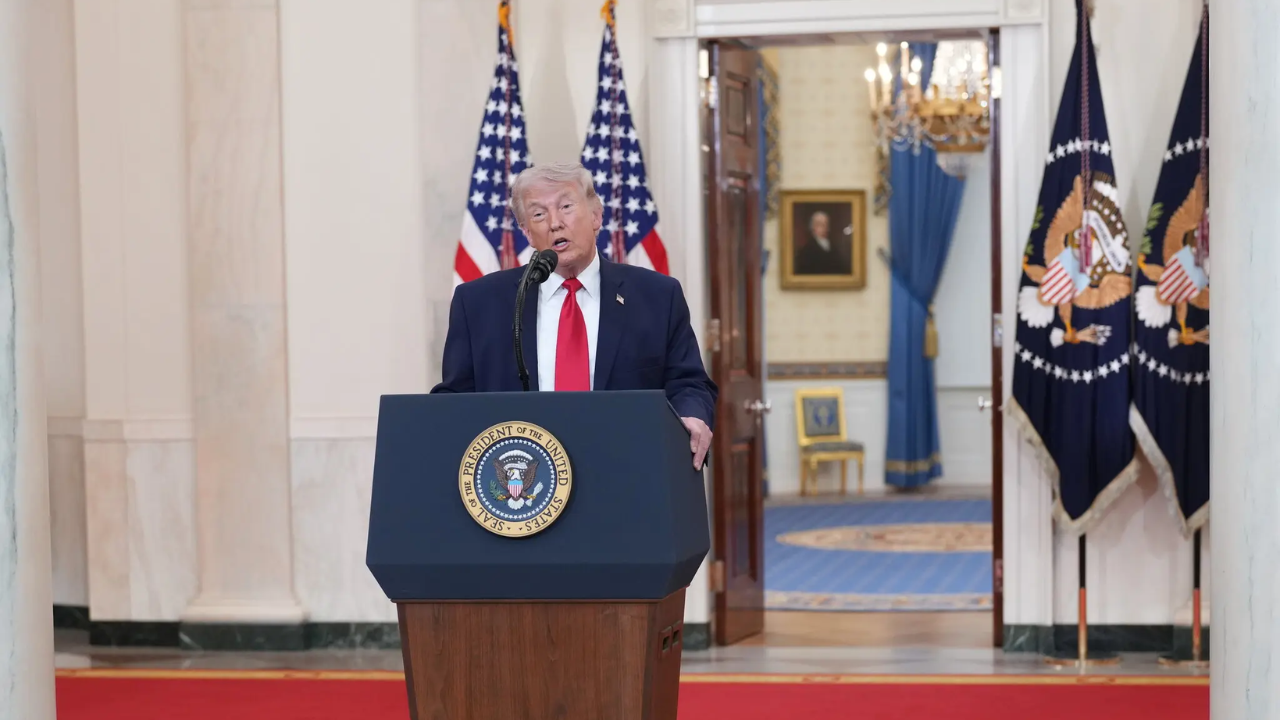
In a major address on April 1, 2026, President Donald Trump highlighted what he described as a series of decisive victories in the ongoing conflict with Iran. However, the lack of a specific deadline for ending Operation Epic Fury has left analysts and international partners questioning the long-term plan.
Thank you for reading this post, don't forget to subscribe!The speech follows the massive U.S.-Israeli strikes initiated on February 28, 2026. While the President signaled that the mission’s “core objectives” are within reach, the path toward a total cessation of hostilities remains undefined.
Highlights of Strategic Gains
President Trump framed the campaign as a definitive blow to Iran’s regional influence and military infrastructure:
- Naval and Air Dominance: The President stated that the Iranian Navy and Air Force have been effectively neutralized.
- Infrastructure Degradation: Claims were made that ballistic missile production facilities and major arsenals have been “crippled.”
- Nuclear Program Status: The administration declared that the primary mission—denying Iran a nuclear weapon—has been accomplished through the destruction of key industrial sites.
The Question of “When?”
The President’s rhetoric oscillated between declaring victory and warning of further escalation:
- Short-Term Horizon: Trump indicated that heavy strikes would likely continue for another two to three weeks to “finish the job.”
- Target Expansion: He warned that if a favorable deal is not reached, the U.S. is prepared to target civilian infrastructure, including power plants and desalinization facilities.
- The Hormuz Crisis: With the Strait of Hormuz remaining closed, the President urged allied nations to take more responsibility for reopening the shipping lane, noting that many countries are more dependent on that oil than the United States.
A Complex Global Landscape
The conflict’s repercussions are being felt far beyond the battlefield:
- Market Volatility: The blockade in the Persian Gulf has sent energy prices soaring. While the President predicted a sharp decline in prices “very soon,” global markets remain on edge.
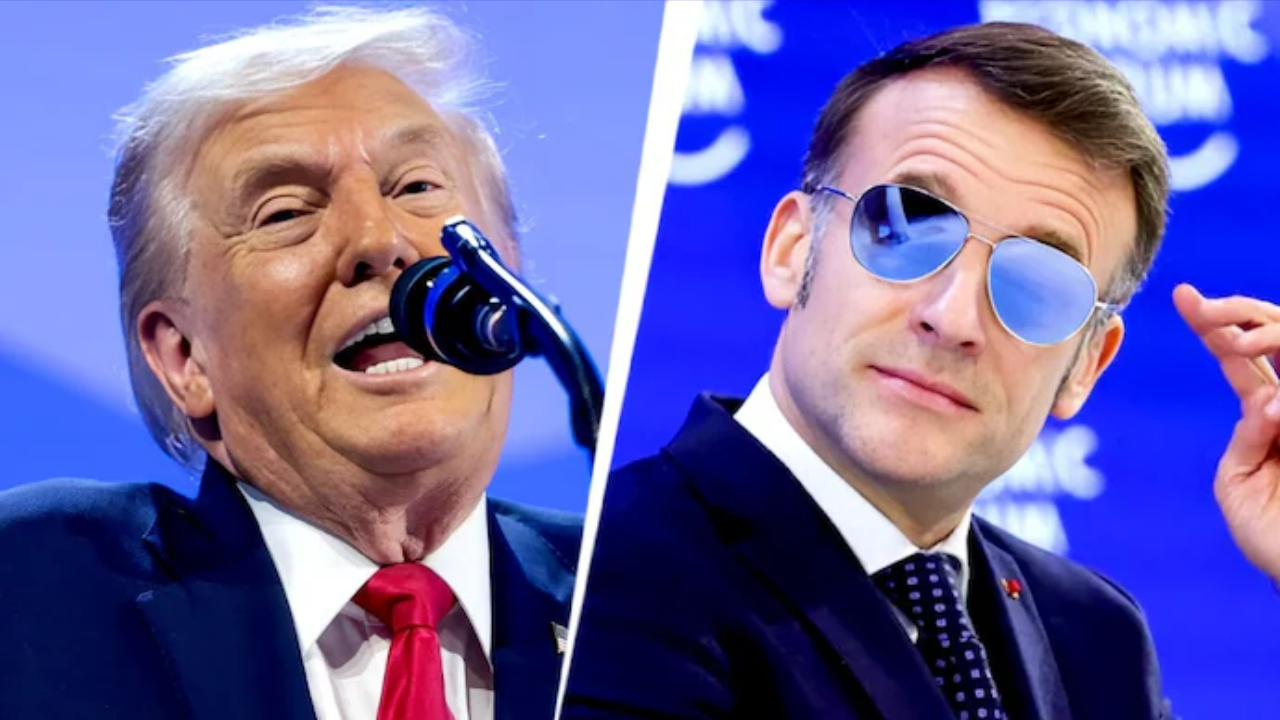
- Strained Alliances: Divergent views are emerging; French President Emmanuel Macron has criticized the feasibility of reopening the Strait through military force alone.
- Intelligence Discrepancies: While the White House is optimistic, some intelligence reports suggest that Iran’s nuclear capabilities may only be temporarily delayed rather than permanently dismantled.
The Human and Financial Cost: As of early April, the Pentagon reports the operation has cost roughly $18 billion, with 13 U.S. service members killed and over 300 wounded since the end of February.