The Core Plan
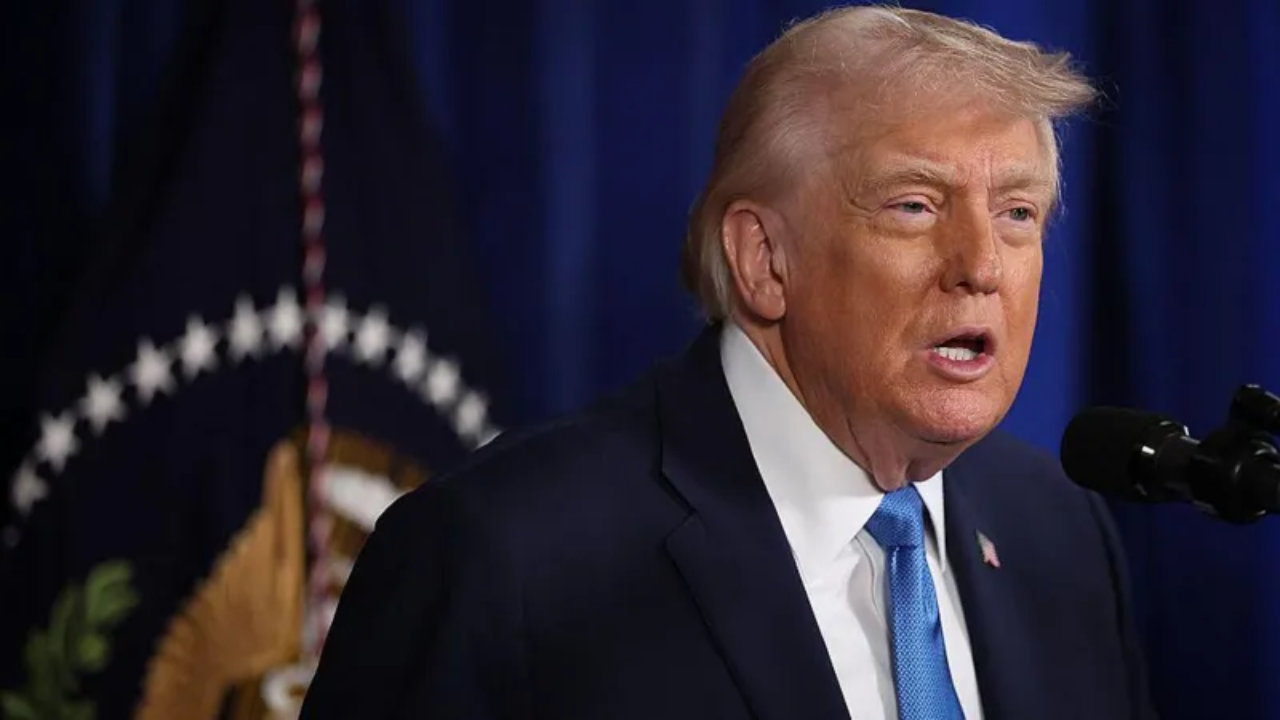
Trump revealed via social media that the interim authorities—now led by Delcy Rodríguez—have agreed to provide between 30 and 50 million barrels of “High Quality, Sanctioned Oil.”
- Management of Funds: The oil will be sold at market price. Trump stated he would personally control the proceeds to ensure the money benefits both the American and Venezuelan people.
- Strategic Goal: Trump told NBC News that reviving Venezuela as a major producer is a priority for the U.S. to help keep global energy prices low.
- Infrastructure: The administration believes U.S. oil firms can repair Venezuela’s crumbling energy infrastructure within 18 months, though experts suggest a full recovery could take a decade.
Geopolitical Tensions
The announcement has sparked a sharp international divide, particularly with nations that previously held close ties to the Maduro regime.
- China’s Response: As Venezuela’s largest buyer in recent years, China has condemned the move as “bullying” and a violation of international law.
- Exclusive Partnership: Reports suggest Trump has pressured the new interim government to sever all economic ties with Russia, Iran, Cuba, and China in favor of an exclusive partnership with the U.S.
Industry and Legal Context
Despite the President’s optimism, the U.S. oil industry remains cautious:
- Corporate Hesitation: While representatives from major firms are meeting with the administration, companies like Chevron and ConocoPhillips have issued guarded statements focusing on employee safety and legal compliance rather than immediate expansion.
- The “Stolen Oil” Debate: Trump and VP JD Vance have claimed Venezuela “stole” American oil assets through previous nationalizations (specifically in 2007). While a World Bank tribunal did order Venezuela to pay $8.7 billion to ConocoPhillips—a debt still unpaid—experts note that the oil itself legally belongs to the Venezuelan state.
Current Status of the Conflict
The transition follows the removal of Nicolás Maduro, who is currently in the U.S. facing drug-trafficking charges. While the U.S. views this as a liberation of the world’s largest proven oil reserves (303 billion barrels), the path to extracting that wealth remains complicated by heavy crude quality and high investment costs.