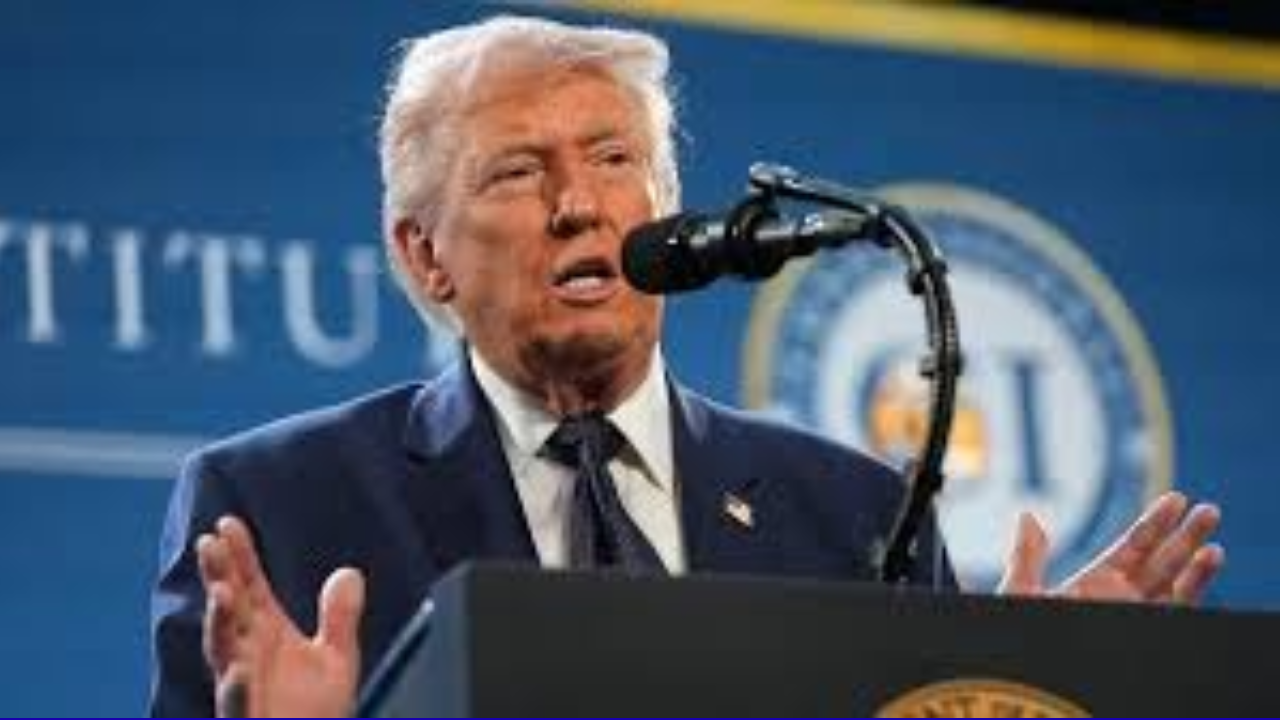
US President Donald Trump and Chinese leader Xi Jinping held a high-stakes, 100-minute meeting in Busan, South Korea—their first face-to-face in six years. The world watched to see if the two leaders could stabilize the volatile relationship between the world’s two largest economies, which has been severely damaged by an escalating trade war.
Thank you for reading this post, don't forget to subscribe!Warm Start, Cold War Undercurrents
Despite the fierce economic rivalry, both leaders opened the talks with cordial remarks, signaling a desire to de-escalate.
- Trump called Xi the “great leader of a great country” and predicted a “fantastic relationship for a long period of time.”
- Xi acknowledged that friction between the two leading economies is “normal” and stressed that they should strive to “stay the right course” and “prosper together.”
However, the warm handshakes quickly followed a provocative move by President Trump. Just moments before landing in Busan, he announced the end of the decades-long moratorium on US nuclear weapons testing, citing rival programs in Russia and China. This move instantly raised the geopolitical stakes of the encounter.
The Crippling Trade War Agenda
The central issue remains the crippling trade war, characterized by a constant “tit-for-tat of mounting tariffs, export controls, and other penalties.”
The meeting aimed to tackle core tensions, including:
- Tariffs and the glaring trade imbalance.
- The US effort to block Chinese access to advanced semiconductors and other high-tech goods, a critical national security concern.
- China’s recent, sweeping export controls on rare earths.
- Issues ranging from the fentanyl trade and the future of TikTok to geopolitical flashpoints like the war in Ukraine and Taiwan.
A Volatile Power Rivalry
The lead-up to the talks was fraught, nearly collapsing after a recent spike in tensions, including new US technology restrictions and reciprocal port fees and rare earth export controls from Beijing.
While low-level negotiators had established a framework deal earlier in the week, any agreement reached by the leaders would merely be a “touchstone in a thorny and volatile great power rivalry.” Both leaders—strongmen acutely sensitive to their domestic audiences—face a delicate balance: securing stability and economic predictability without being seen as conceding too much to their strategic rival.
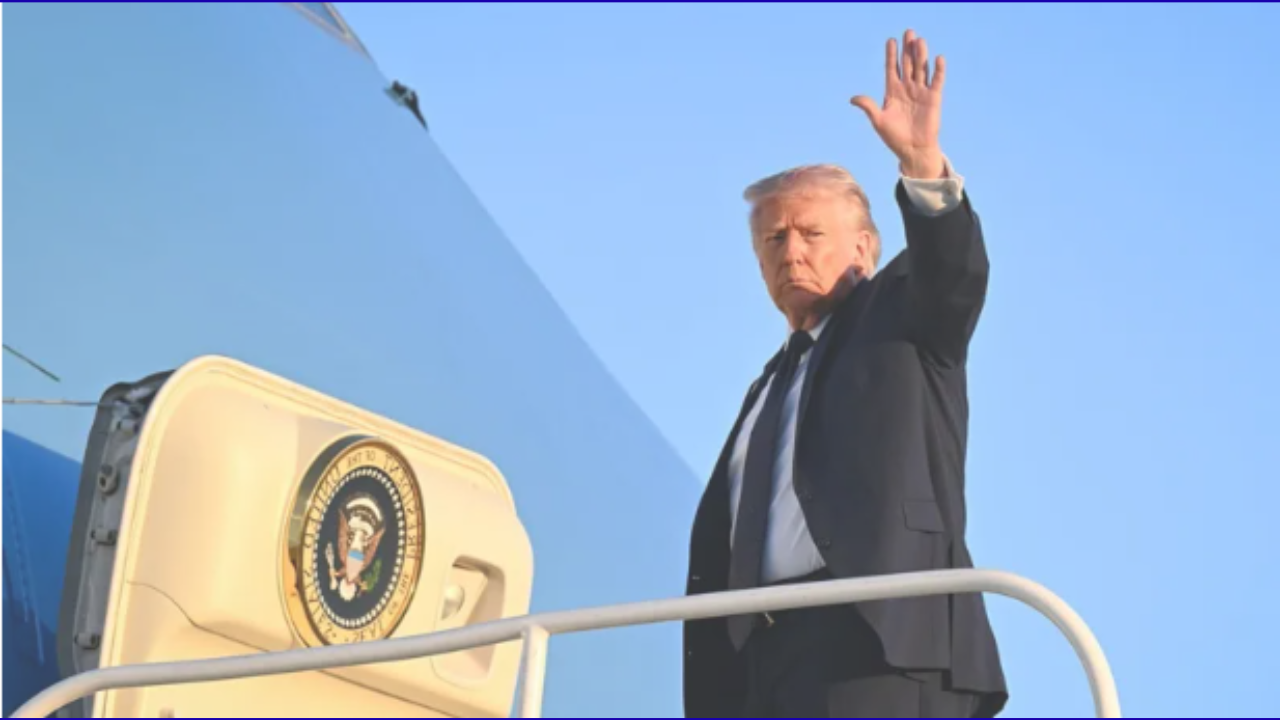
The talks concluded after an hour and forty minutes, with Trump immediately boarding Air Force One without a public statement, leaving observers to await an official readout on where the damaging trade war will go next.
Would you like me to focus on a specific aspect of the meeting, such as the nuclear testing announcement or the trade issues, for a more detailed analysis?