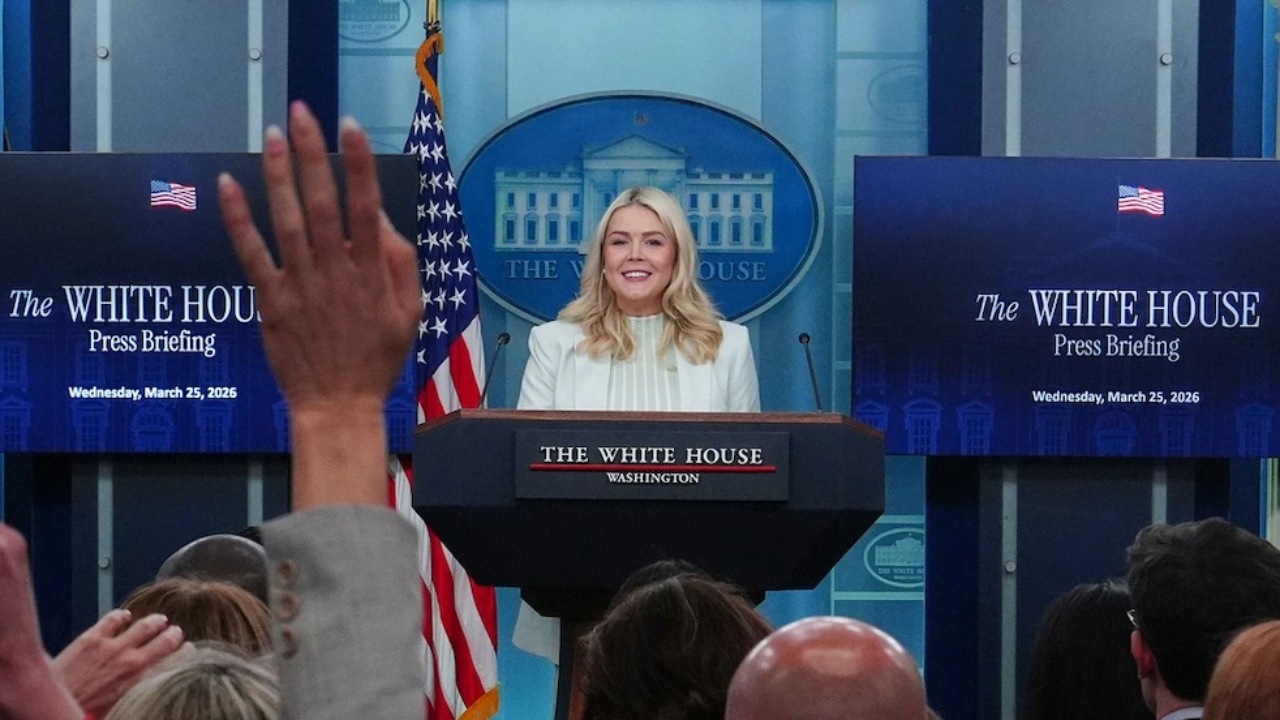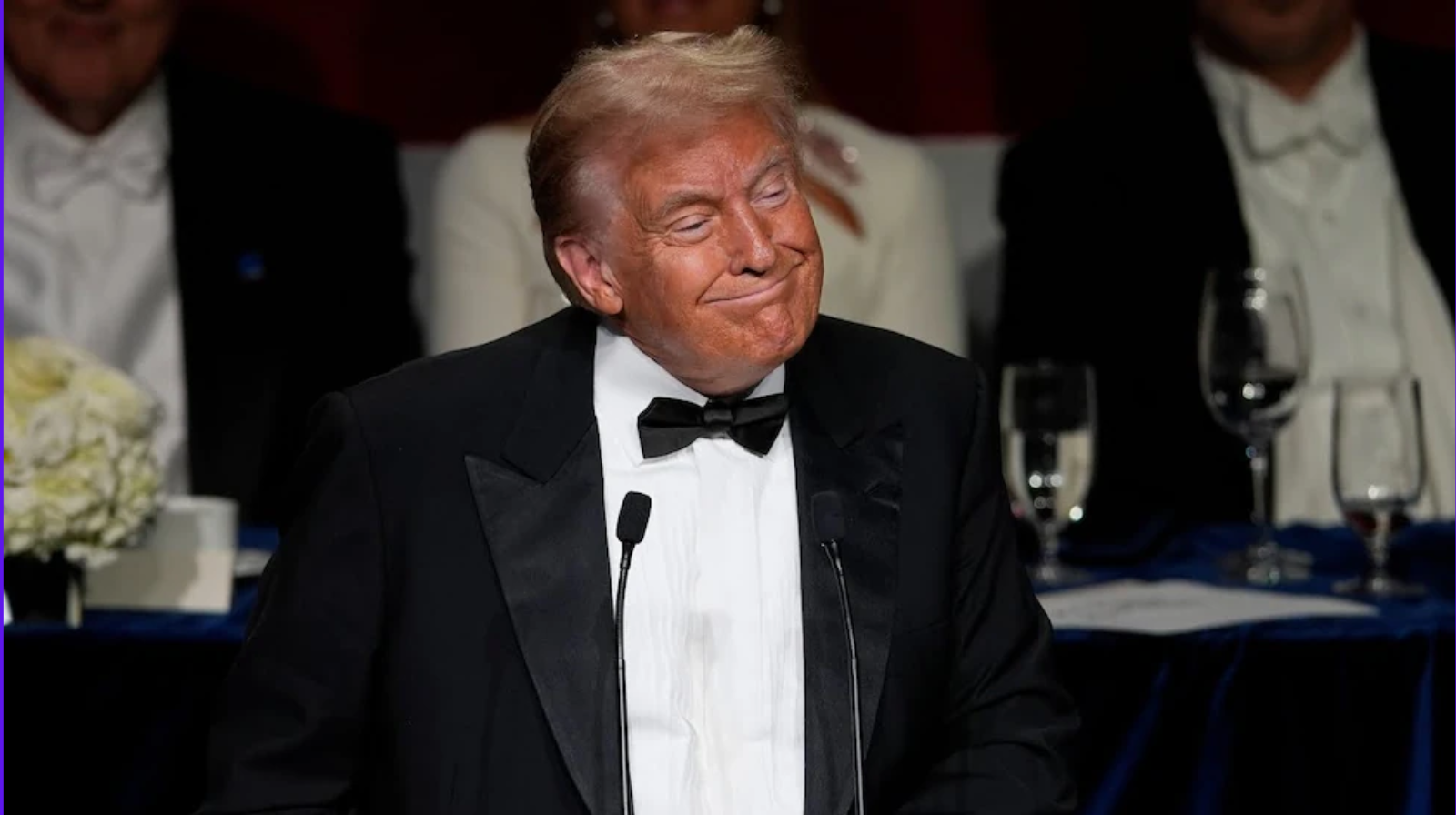
In a sharp escalation of diplomatic tension, President Donald Trump has publicly ridiculed the United Kingdom’s flagship aircraft carriers, labeling them “toys” in comparison to American naval power. The remarks, made during a White House briefing on March 26, 2026, underscore a deepening rift in the “Special Relationship” as the conflict with Iran continues to reshape global alliances.
Thank you for reading this post, don't forget to subscribe!The “Late Offer” and the Rejection
The Strategic Fallout
- The UK Stance: Starmer has emphasized a “defensive only” posture, citing adherence to international law.
- The US Response: Trump has dismissed this caution, claiming the U.S. “needs nothing from NATO” and reportedly telling Starmer he is “no Winston Churchill.”
Fact-Check: “Supercarriers” vs. “Queen Elizabeth-Class”
While the term “toys” is hyperbolic, there are significant technical differences between the two nations’ naval centerpieces:
| Metric | U.S. Gerald R. Ford-Class | UK Queen Elizabeth-Class |
| Power | Nuclear (Infinite range) | Diesel/Gas (Requires refueling) |
| Launch Tech | EMALS (Electromagnetic Catapult) | Ski-Jump (Ramp) |
| Size | ~100,000 Tonnes | ~65,000 Tonnes |
| Aircraft | Can launch heavy radar & tanker planes | Limited to F-35B (Vertical landing) |
The Verdict: While the UK carriers are among the most advanced in the world, they lack the “catapult” systems found on U.S. ships. This means they cannot launch the heavy surveillance or refueling aircraft that allow U.S. carriers to project power over much longer distances.