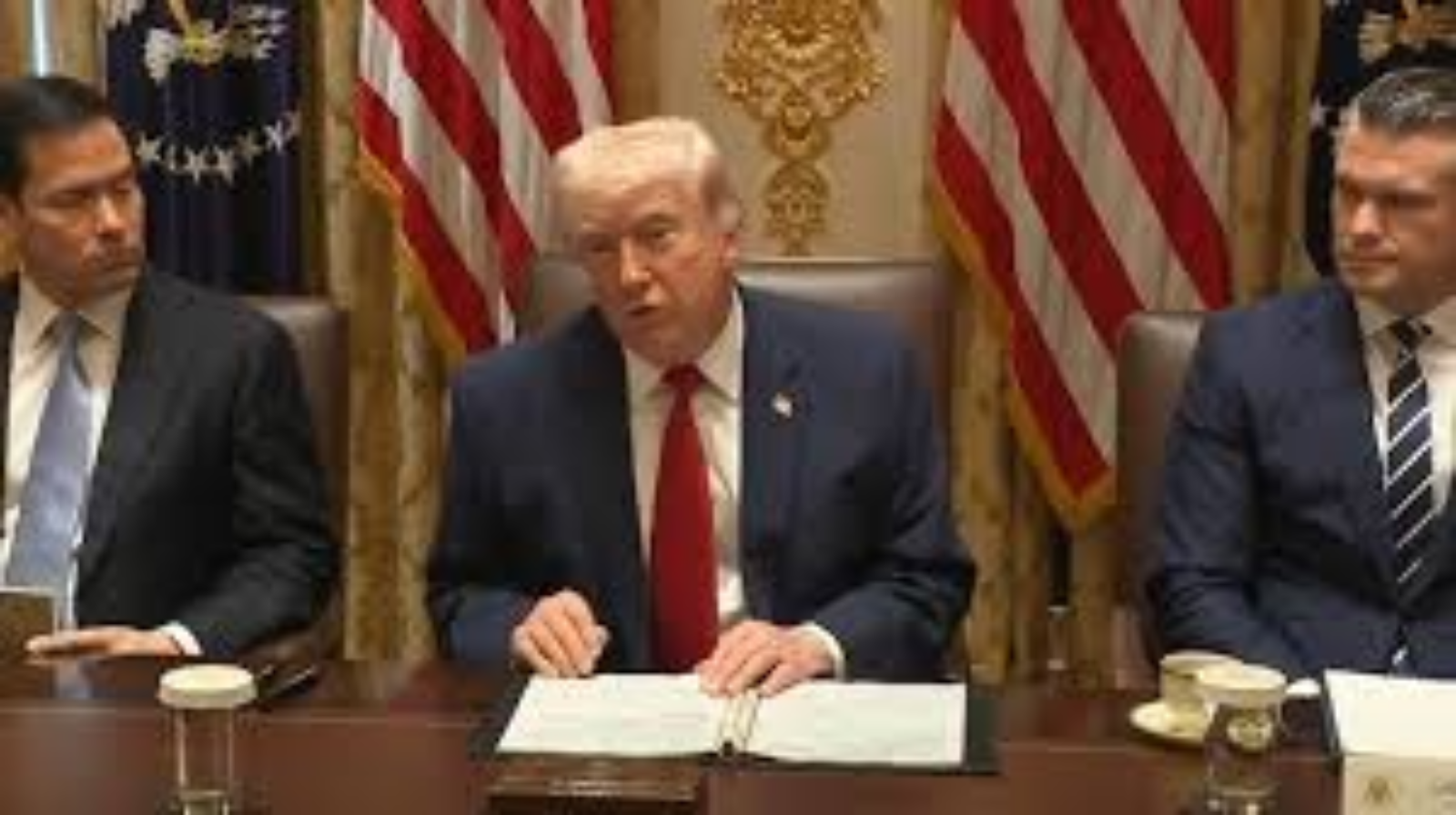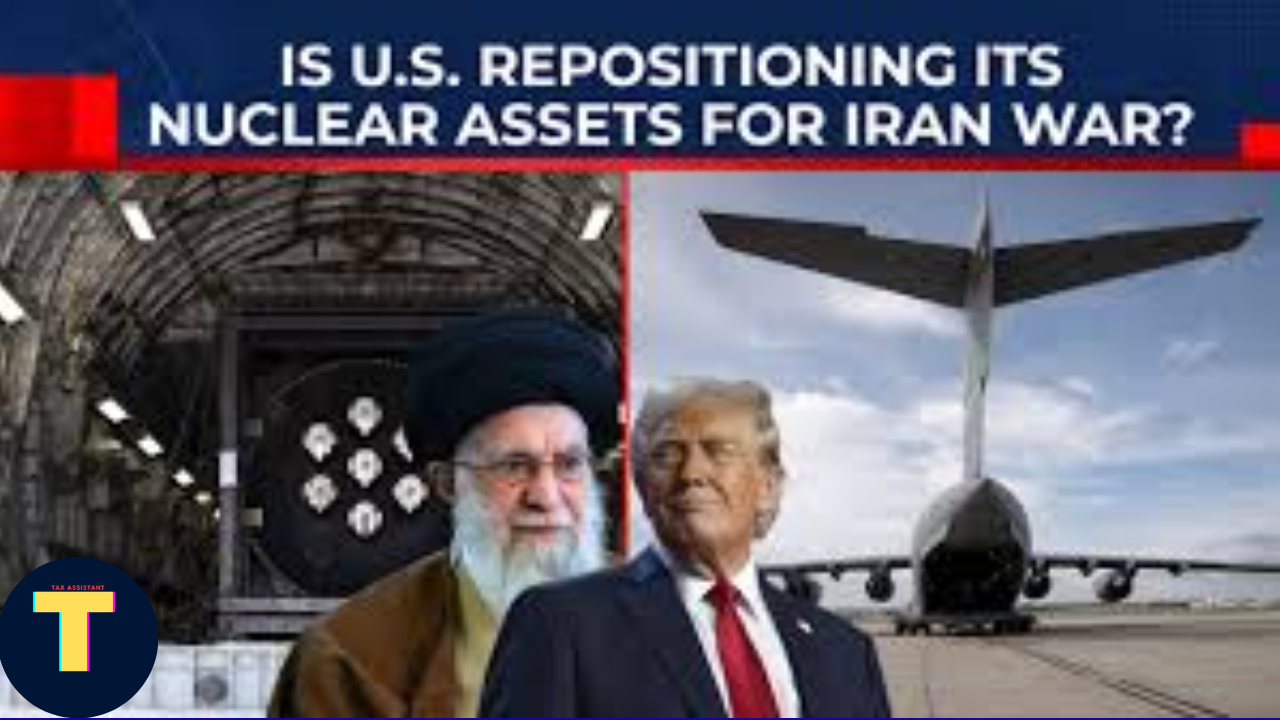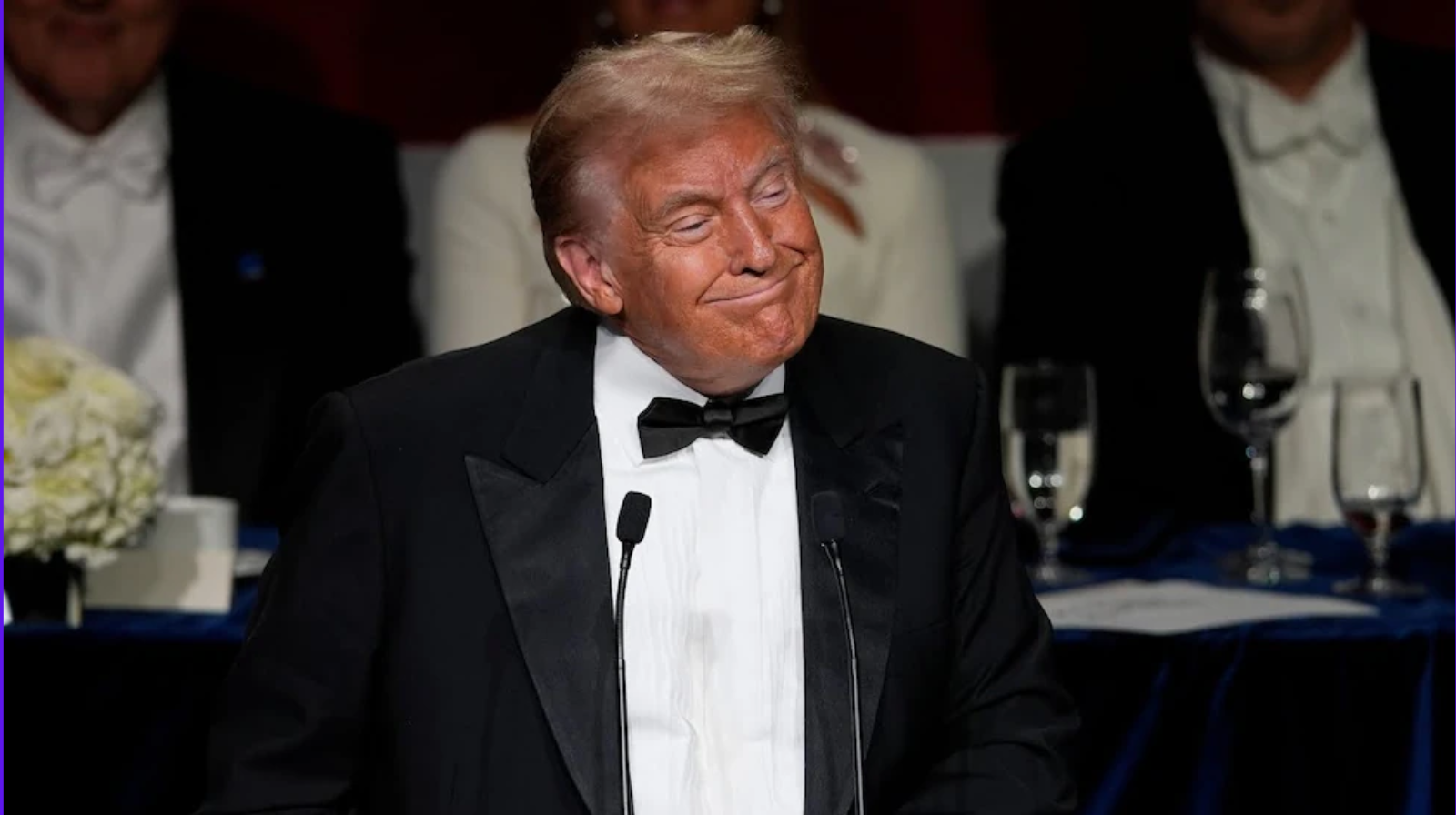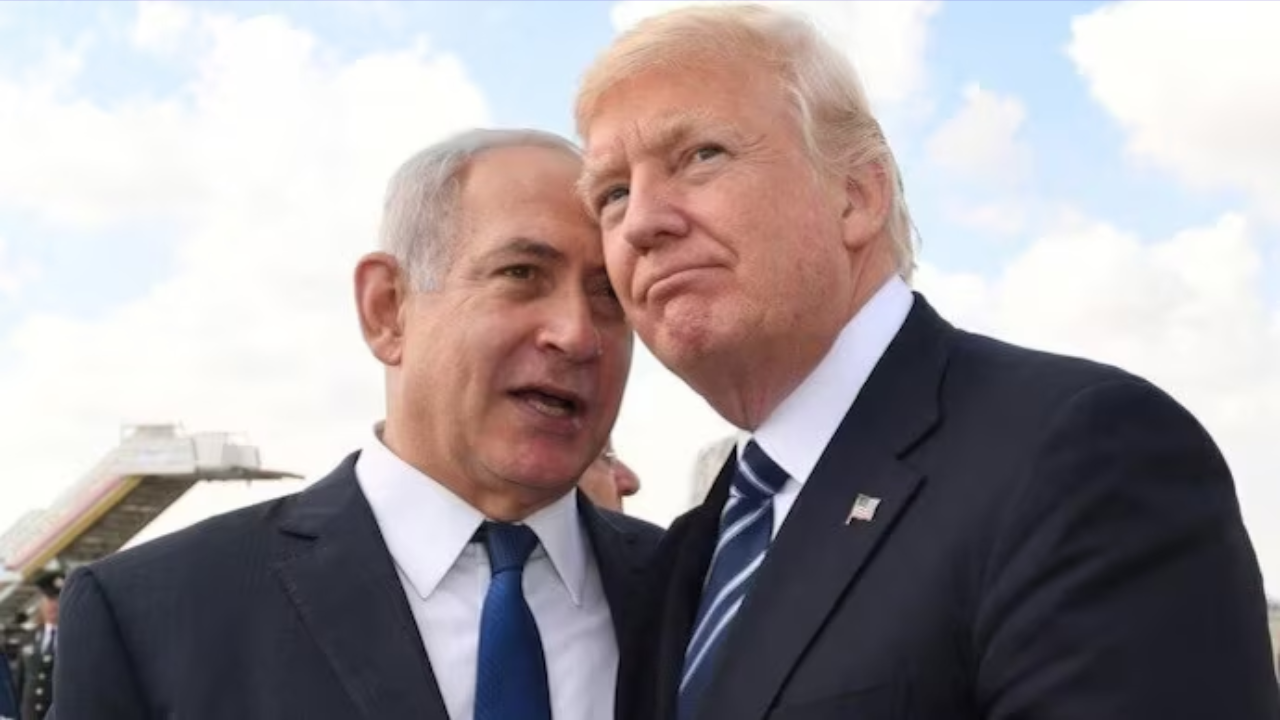
A sharp divide has emerged between the White House and Jerusalem over the endgame of the current conflict with Tehran. In a high-stakes call, President Trump reportedly rejected Prime Minister Netanyahu’s proposal to issue a joint call for an Iranian popular uprising, citing fears of a civilian bloodbath.
Thank you for reading this post, don't forget to subscribe!The Clashing Visions
- The Netanyahu Push: The Prime Minister argued that the regime is at its weakest point in decades and that a direct appeal to the Iranian public during the Festival of Fire could trigger a total collapse.
- The Trump Veto: Trump dismissed the idea as reckless. Sources report he warned Netanyahu that encouraging unarmed citizens to revolt without direct U.S. ground support would lead to them being “mowed down” by the IRGC, mirroring the tragic crackdown seen in early January.
A Breakdown of the Disagreement
| Point of Friction | The Trump Stance | The Netanyahu Stance |
| Strategy | “Deal-Making”: Force a massive nuclear concession through targeted strikes. | “Total Victory”: Full regime change is the only path to safety. |
| Risk Tolerance | Low; wants to avoid a “forever war” or humanitarian catastrophe. | High; believes the “window of opportunity” will close soon. |
| Communication | Focused on a 15-point deal involving sanctions relief. | Focused on direct-to-people addresses (The “I am with you” videos). |
The Strategic Fallout
The rift comes at a delicate time. While Netanyahu eventually proceeded with a solo address to the Iranian people, the lack of a “united front” from Washington has emboldened Tehran’s hardliners to frame the Israeli message as a desperate solo act.
Meanwhile, Trump is pivoting toward his “15-point peace proposal,” signaling that he is more interested in a neutered Iranian regime than a dismantled one.