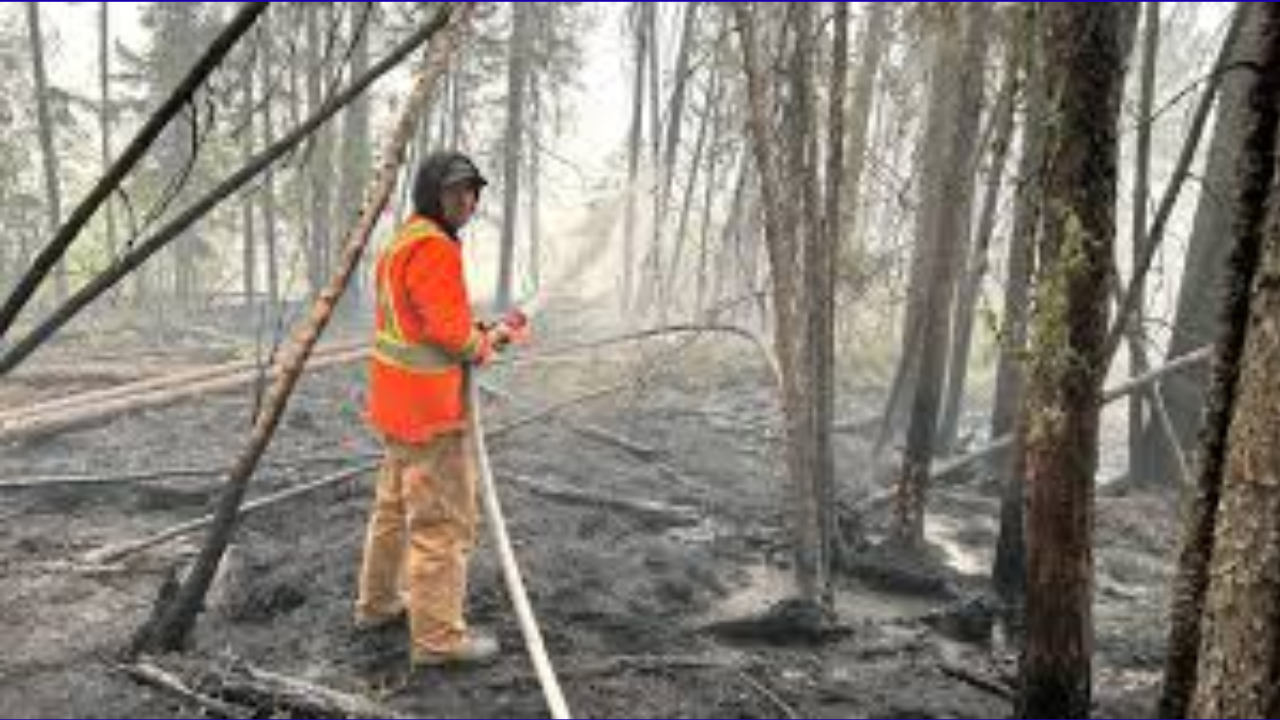
After spending $39,000 of their own community savings to defend their homes during the 2025 wildfire season, residents of Wadin Bay, Saskatchewan, are now facing a difficult financial reality. As of April 2026, their quest for reimbursement remains stuck in a bureaucratic “gray area.”
Thank you for reading this post, don't forget to subscribe!The Financial Sacrifice
The community utilized a reserve fund—accumulated over 30 years—to hire bulldozers and water equipment when provincial resources were unavailable. While their actions successfully saved local infrastructure, the cost wiped out three decades of community savings.
The Provincial Standoff
- Authorization: Official policy generally only covers costs for actions authorized or managed by the SPSA.
- The Precedent: There is a fear that reimbursing “unauthorized” firefighting could encourage untrained civilians to stay behind in evacuation zones during future disasters.
Current Status of Relief
- Tax Credits: The tax credit for volunteer first responders was increased from $3,000 to $6,000, though this provides individual relief rather than community reimbursement.
- Increased Funding: The SPSA received a $20 million budget boost, but these funds are directed toward future equipment and response capacity rather than retroactive private claims.
The “Gray Area” Appeal
The Bottom Line: For now, the volunteers are being hailed as heroes by their neighbors, but they remain out of pocket for the high cost of their own protection.