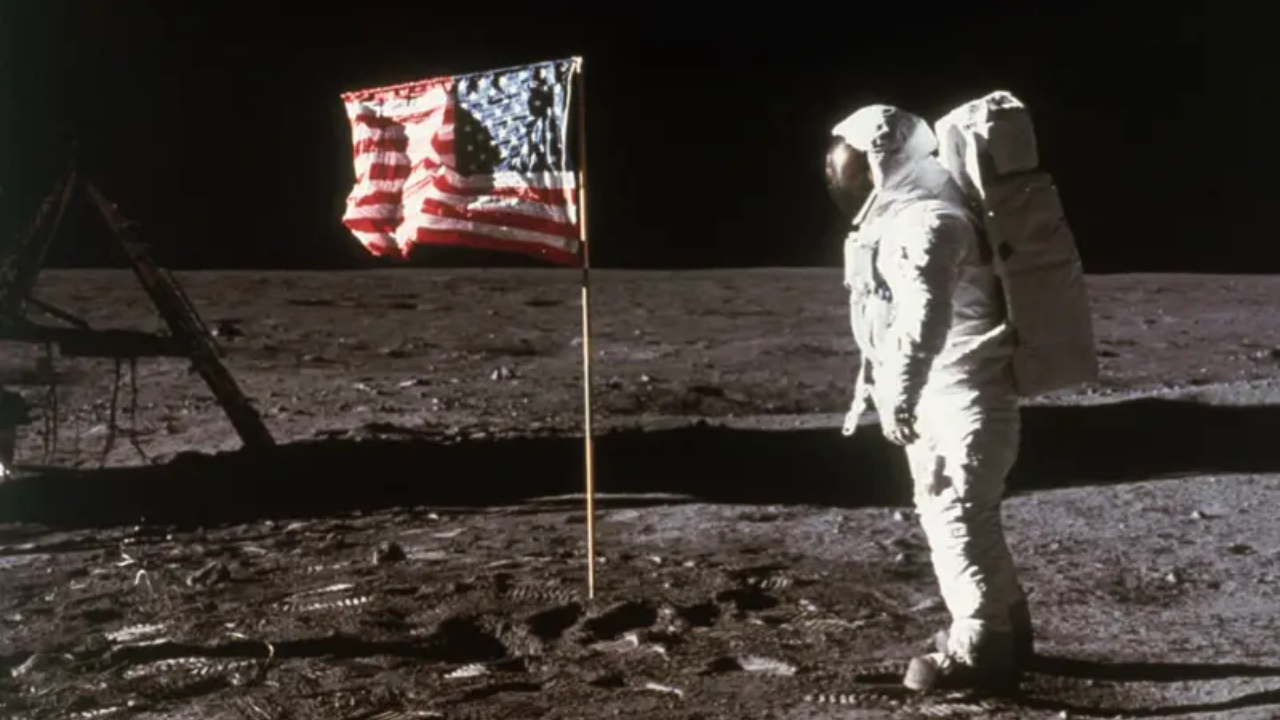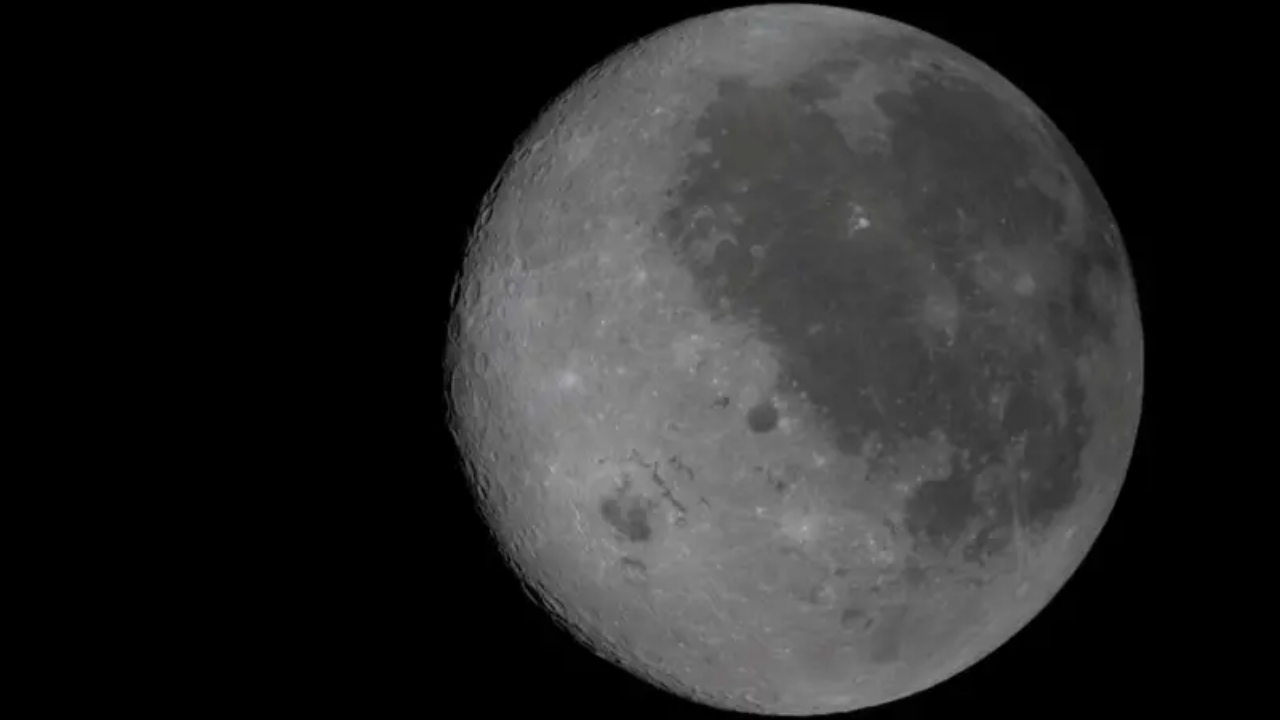
the crew of Artemis II—Wiseman, Glover, Koch, and Hansen—became the first humans in over half a century to witness the Moon’s “dark side” firsthand. Their observations provided a vivid new perspective on our celestial neighbor.
Thank you for reading this post, don't forget to subscribe!1. A Palette Beyond Gray
- Earthshine: Victor Glover described the “unreal” glow of light reflecting off Earth and illuminating the lunar landscape even during their period in the Moon’s shadow.
- The “Brown” Moon: Christina Koch noted that the surface appeared significantly more brown than gray.
- Mineral Nuances: The astronauts spotted subtle hints of greens and blues within specific geological features, providing clues about the mineral diversity and age of the lunar crust.
2. “Lampshade” Geology
3. Witnessing Cosmic Collisions
In a rare moment of real-time science, Commander Reid Wiseman confirmed the crew witnessed four distinct impact flashes. These quick bursts of light were caused by meteoroids slamming into the lunar surface—a stark reminder of the Moon’s lack of atmosphere and its role as a “cosmic punching bag.”
4. Targets of Interest
The crew focused their cameras and eyes on 35 high-priority scientific targets, including:
- Reiner Gamma: The mysterious, swirling “lunar swirl” that looks like a bright, serpentine pattern.
- Glushko Crater: A massive crater featuring brilliant white “rays” of ejected material stretching 500 miles across the surface.
Mission Update: Having successfully rounded the Moon, the Orion spacecraft is currently on its journey home. The crew is scheduled for splashdown in the Pacific Ocean on April 11, 2026.