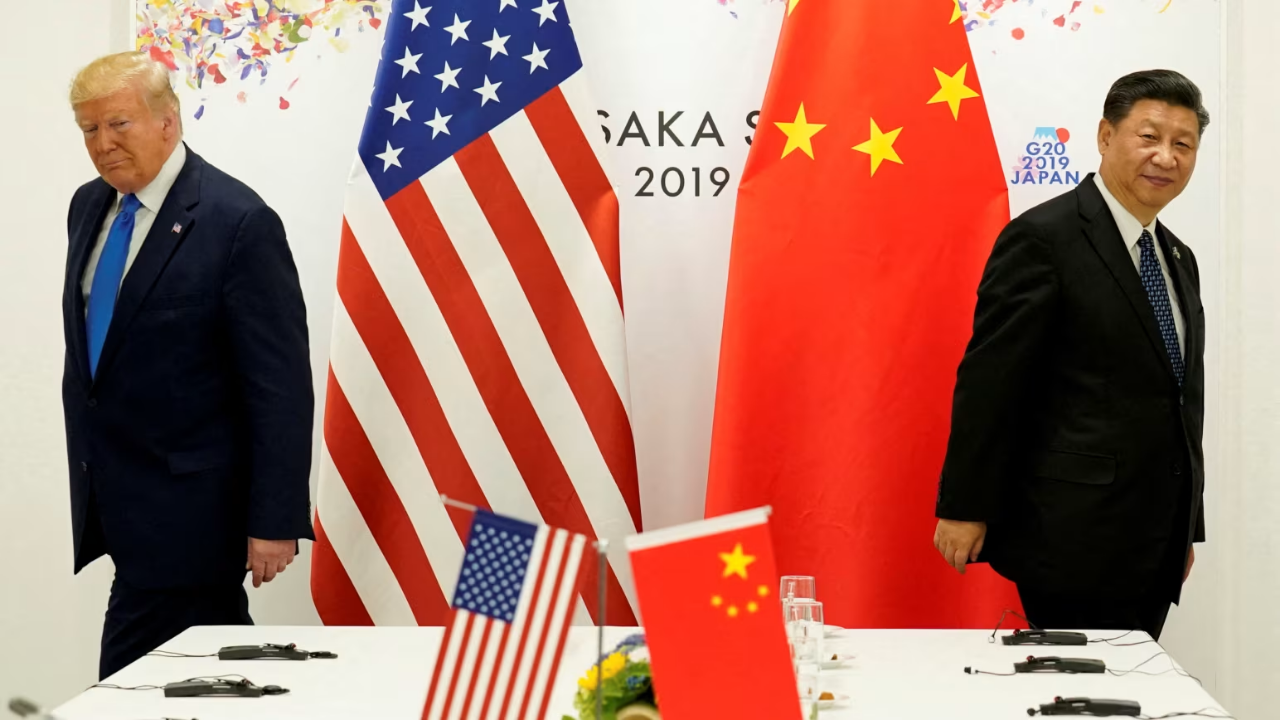
China is pushing back, arguing that the US, not Beijing, reignited the trade war. China views its sweeping new rare earth export controls as a “logical” and “proportional” response to a series of aggressive moves by the Trump administration.
Thank you for reading this post, don't forget to subscribe!Beijing’s Blame: Washington’s Escalation
Chinese officials and state advisors point directly to US actions in late September as the trigger that shattered the fragile trade truce:
- Expanded Export Blacklists: The US significantly expanded its export control lists just ten days after a positive phone call between Presidents Xi and Trump. The new rules closed loopholes, extending restrictions to thousands of subsidiaries that are 50% or more owned by already-sanctioned Chinese companies. China called this action “extremely malicious” and a sign of the US “acting in bad faith.”
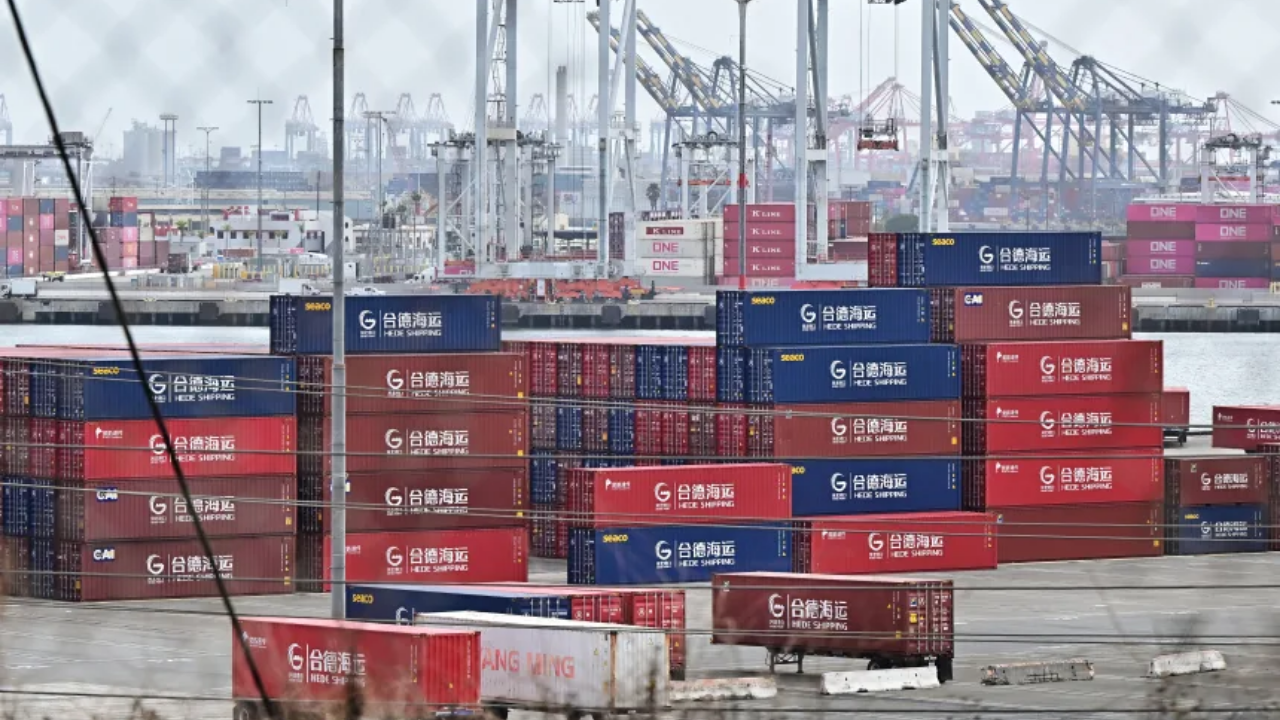
- Targeting Maritime Trade: China also cited US plans to impose new fees on Chinese-built ships docking at American ports as further damage to the bilateral relationship.
Chinese experts assert that Washington, after “taking a bite at China,” is now “pretending to be innocent” and trying to “play the victim.”
China’s Countermeasure: The Rare Earth ‘Playbook’
China’s move to tighten its grip on rare earths—minerals vital for everything from smartphones to fighter jets and AI chips—is seen as a measured response to the scale of US actions.
- Mirroring US Tactics: Beijing’s new rules are designed to mirror US export controls on semiconductors. The rules apply extraterritorially, requiring foreign firms to seek approval if their products contain even trace amounts of Chinese rare earths or were processed using Chinese technology.
- The Stakes: This new step uses China’s near-monopoly on rare earth processing as leverage, effectively applying the US’s own “Foreign Direct Product Rule” back to Washington. This has rattled global markets, raised fears of massive production shocks, and put the global AI boom at risk.
What’s Next for the Xi-Trump Meeting?
The rapid escalation has jeopardized the highly anticipated meeting between the two leaders in South Korea at the end of the month.
- The Ball is in the US Court: China has stated it remains open to dialogue, but reiterated that the US “cannot seek dialogue while threatening new measures.” Chinese scholars believe it’s up to the US to take “concrete actions to improve ties,” rather than expecting China to tolerate pressure just for the sake of a meeting.
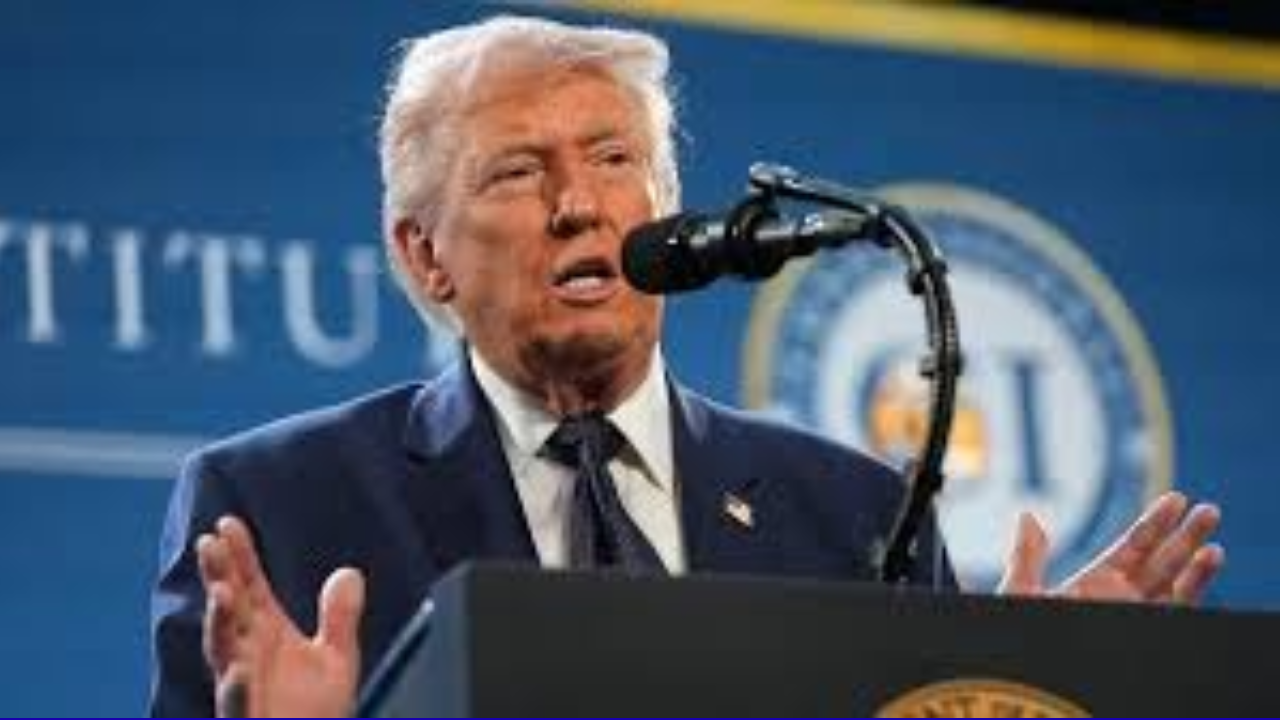
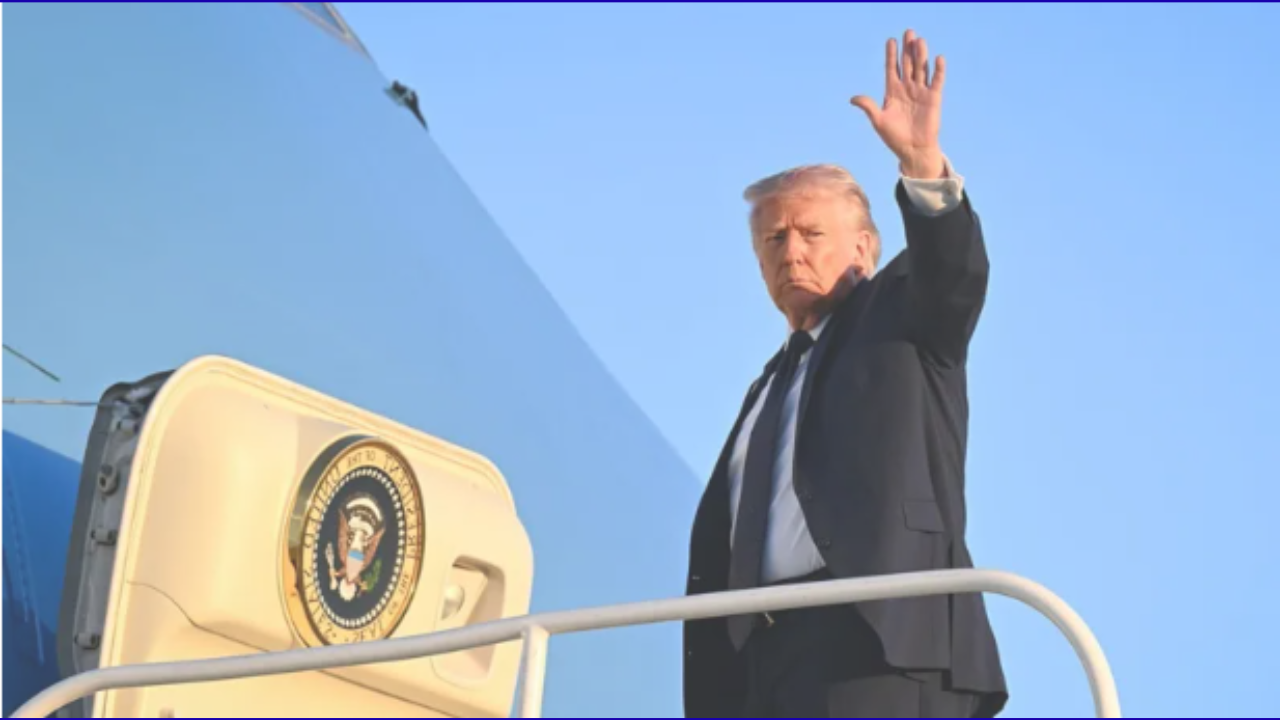
- Trump’s Mixed Signals: While initially threatening to raise tariffs to triple-digit levels, President Trump later softened his public tone, saying, “Don’t worry about China, it will be all fine!”
Beijing believes it is now “fully prepared” for the negotiations, having studied Trump’s tactics, and that the US is the party currently feeling more anxious.
The expansion of China’s rare earth controls directly threatens global supply chains, particularly in the defense and technology sectors. Would you like a breakdown of which US industries are most vulnerable to these new restrictions?