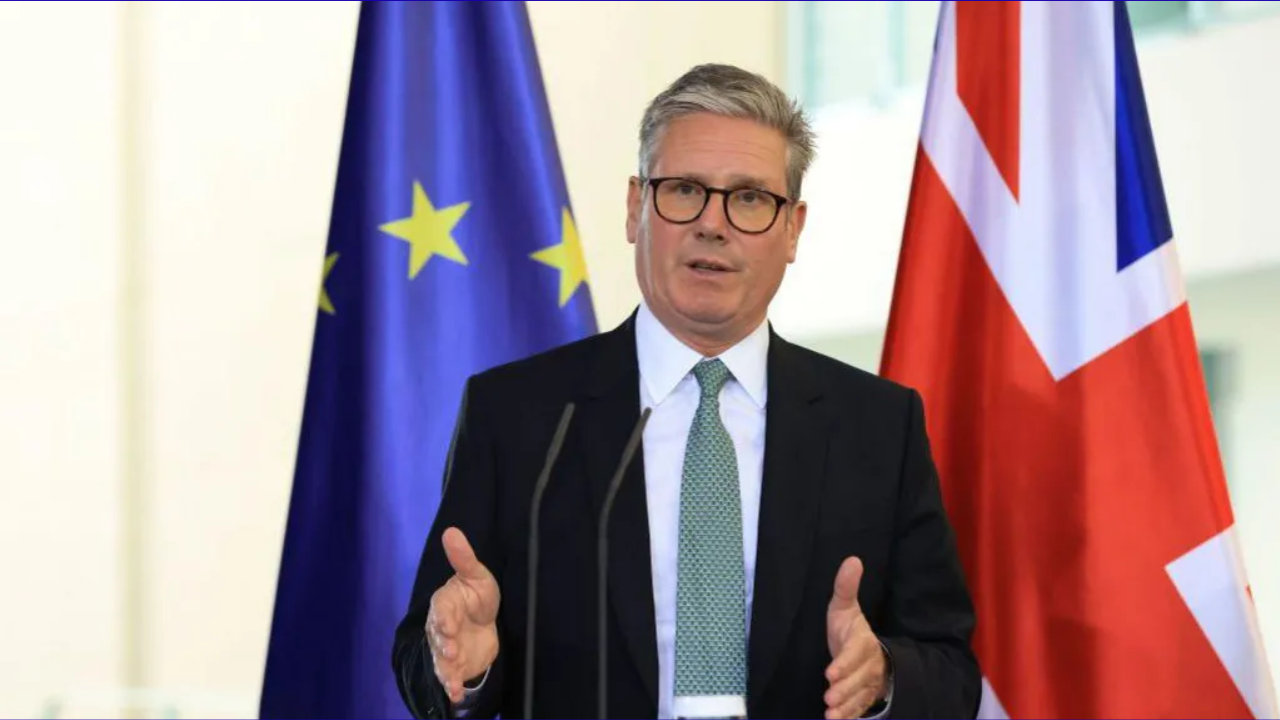
As of April 2026, the UK government is advancing a pivotal piece of legislation that could reshape the post-Brexit landscape. By pursuing “dynamic alignment” with certain EU single market rules, the government aims to reduce trade friction without officially rejoining the bloc.
Thank you for reading this post, don't forget to subscribe!Here is a breakdown of the strategy, its economic goals, and the brewing political debate.
The Mechanism: “Opt-in” Legislation
The proposed bill is a pragmatic pivot. Rather than a blanket return to EU structures, it creates a pathway for the UK to selectively mirror Brussels’ regulations through secondary legislation.
- Sector-Specific Alignment: The initial focus is on high-volume trade areas, specifically food and drink, automotive standards, and emissions trading.
- Reduced Bureaucracy: By aligning standards, the government expects to slash the “red tape” currently stalling exports. The food and drink sector alone is projected to see a £5.1bn annual boost.
- The Metrology Foundation: This builds on the Product Regulation and Metrology Act 2025, utilizing existing frameworks to synchronize product safety and measurement standards.
Why the Shift is Happening
The move is largely driven by a “realism-first” approach to the economy and global security:
- Economic Growth: With the OBR maintaining that Brexit has caused a 4% hit to productivity, ministers are looking for “low-hanging fruit” to stimulate the economy.
- Global Stability: In a volatile international climate, stabilizing the UK’s relationship with its nearest and largest trading partner is seen as a strategic necessity.
The Political Friction
While business groups generally welcome the move, it remains a lightning rod for controversy:
- The “Rule-Taker” Trap: Critics argue that aligning with EU laws without having a seat at the table in Brussels sacrifices British sovereignty, effectively turning the UK into a “passive observer” of its own regulations.
- Scrutiny Concerns: Constitutional experts have raised alarms over the use of “Henry VIII powers,” which allow ministers to update laws with minimal parliamentary debate.
- The Red Lines: The government maintains that this is not a return to the Single Market, as it excludes the free movement of people—a key boundary for the current administration.
What’s Next?
All eyes are on the UK-EU Summit in late spring 2026. This meeting is expected to be the formal stage for finalizing the first wave of alignment deals, signaling just how far the UK is willing to go to bridge the gap with the Continent.