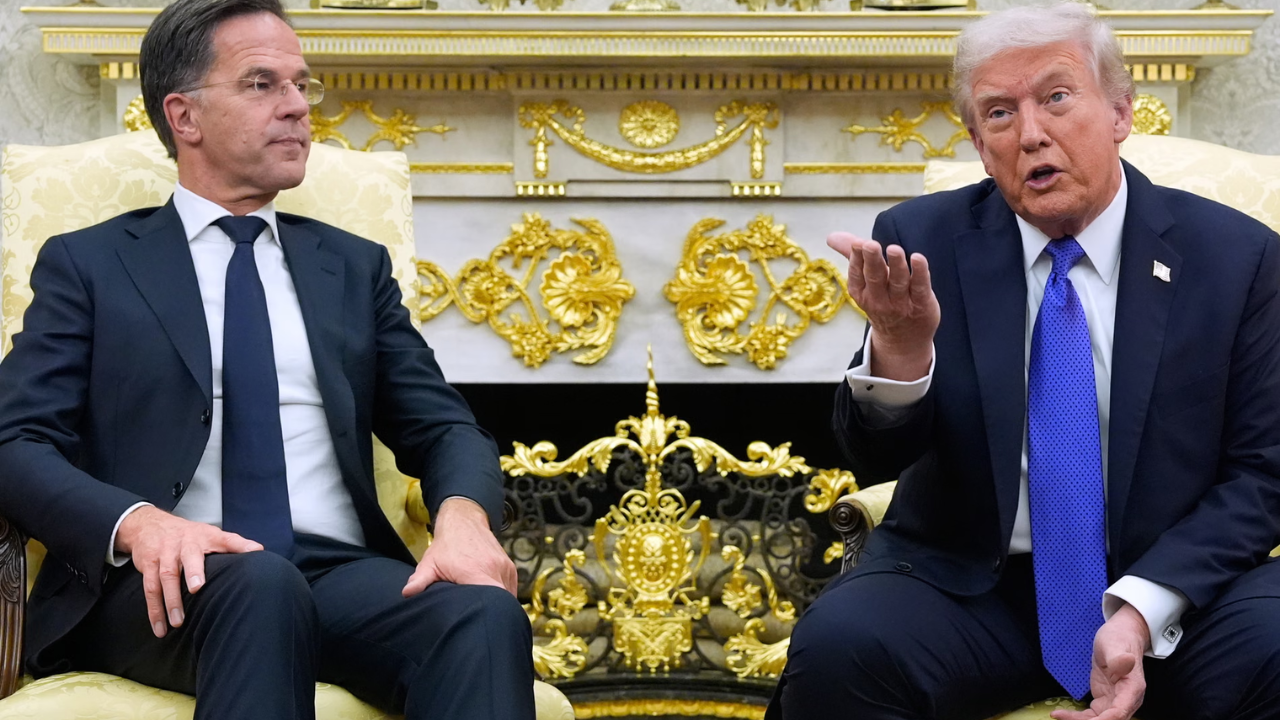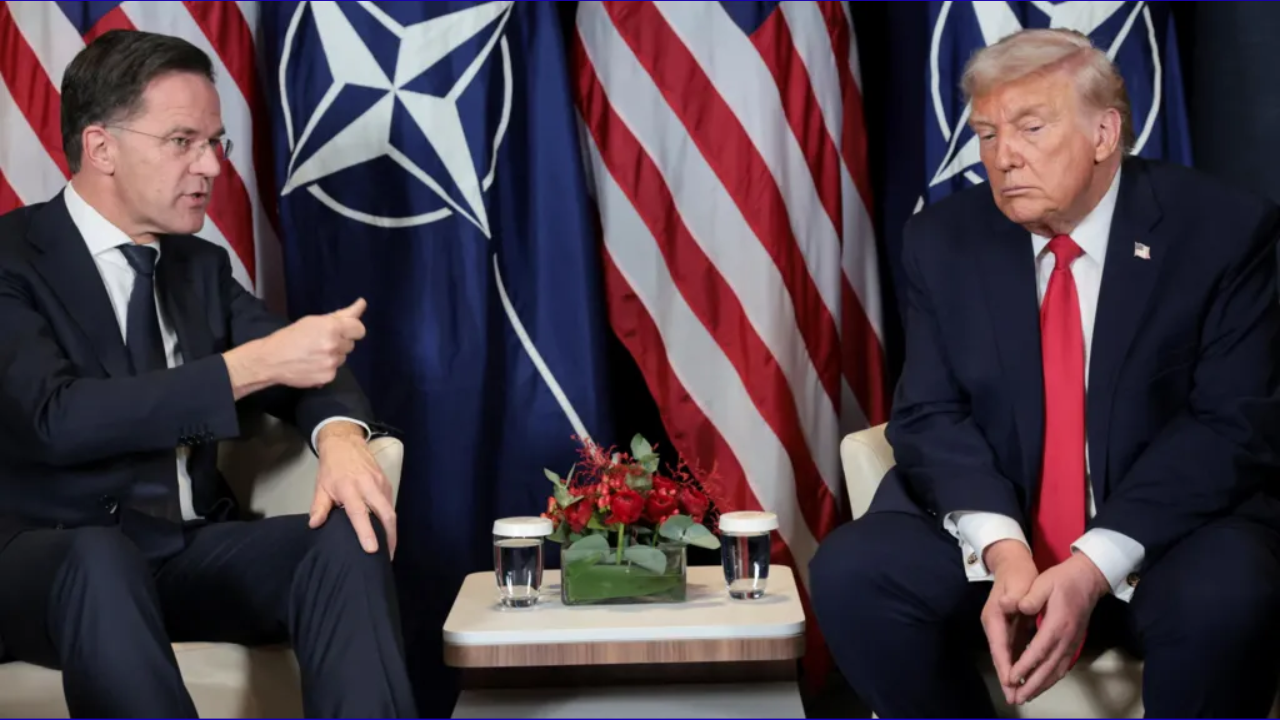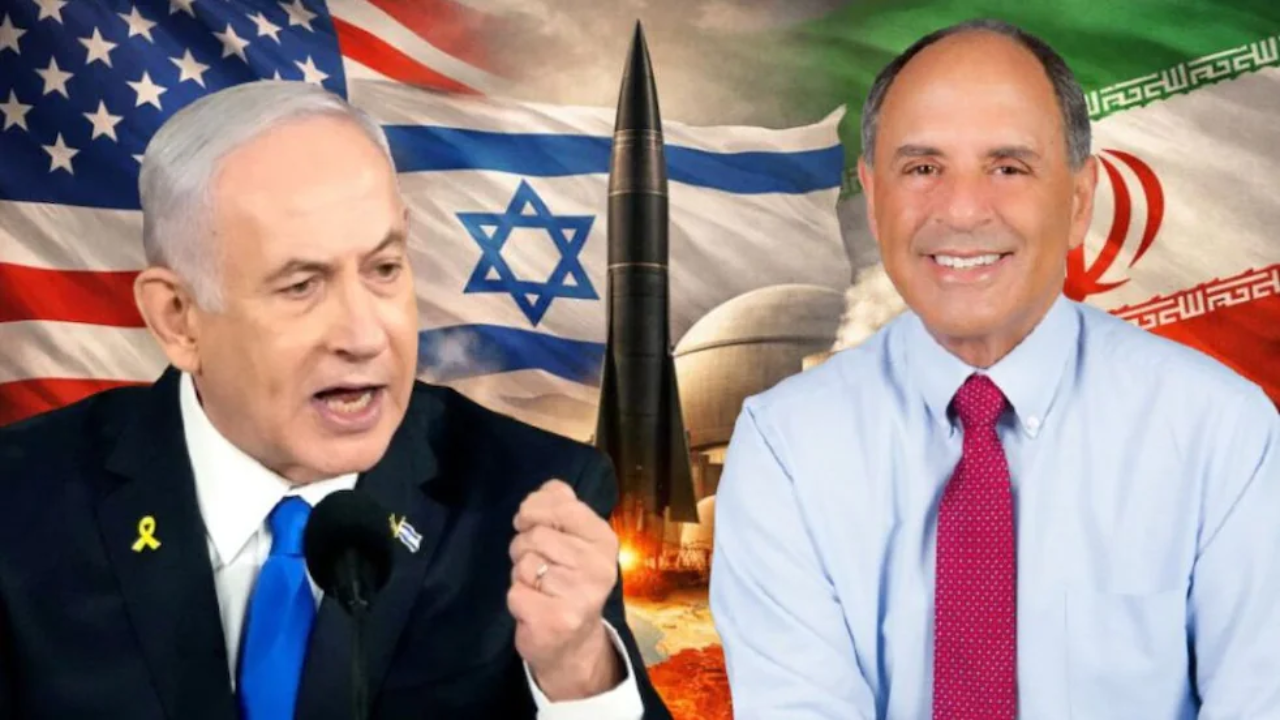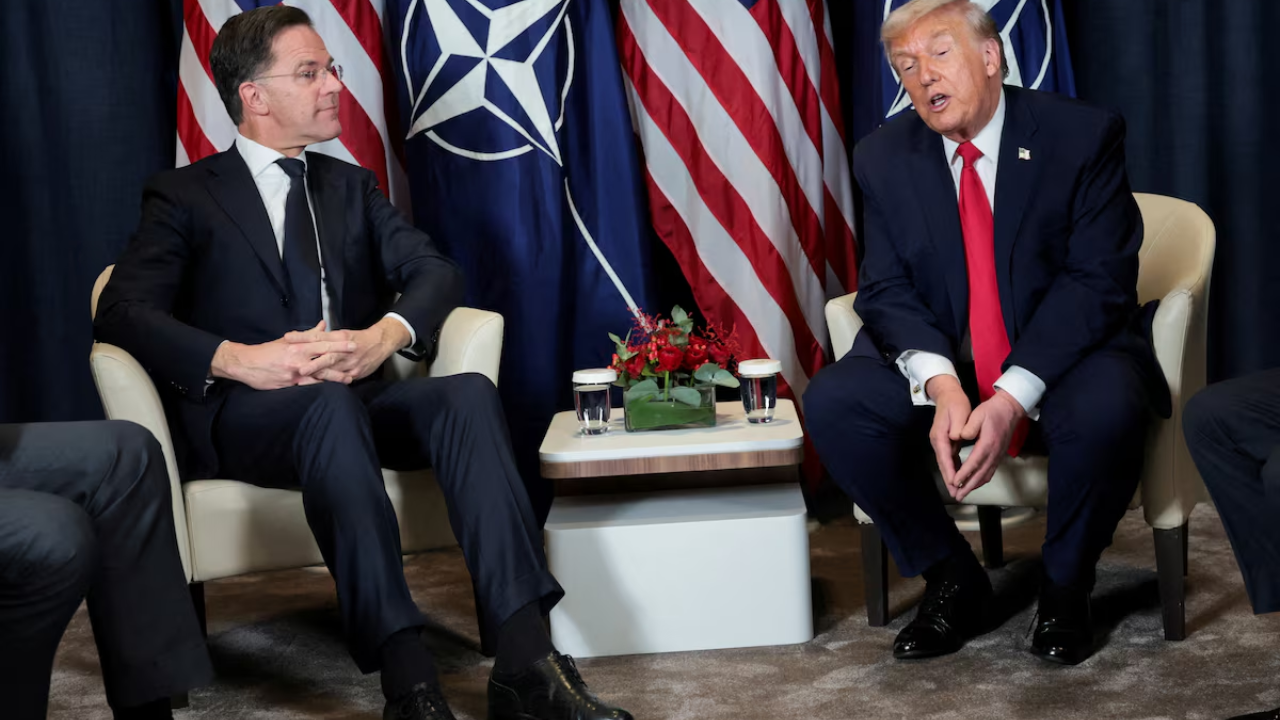
NATO Secretary-General Mark Rutte is facing his most grueling challenge yet: maintaining the relevance of the trans-Atlantic alliance while President Donald Trump wages a war in Iran—a conflict NATO never sanctioned and was never consulted on.
Thank you for reading this post, don't forget to subscribe!Trump’s Escalating Rhetoric
- The “Coward” Label: Trump has derided allies who refused to join the offensive as “cowards.”
- The Chamberlain Comparison: He specifically targeted U.K. Prime Minister Keir Starmer, comparing his cautious approach to the pre-WWII appeasement of Nazi Germany.
- The Greenland Dispute: Persistent threats to seize control of Greenland have pushed relations with Denmark and other Nordic allies to a historic low, raising fears of a forced annexation that would effectively end NATO.
The “Strait of Hormuz” Litmus Test
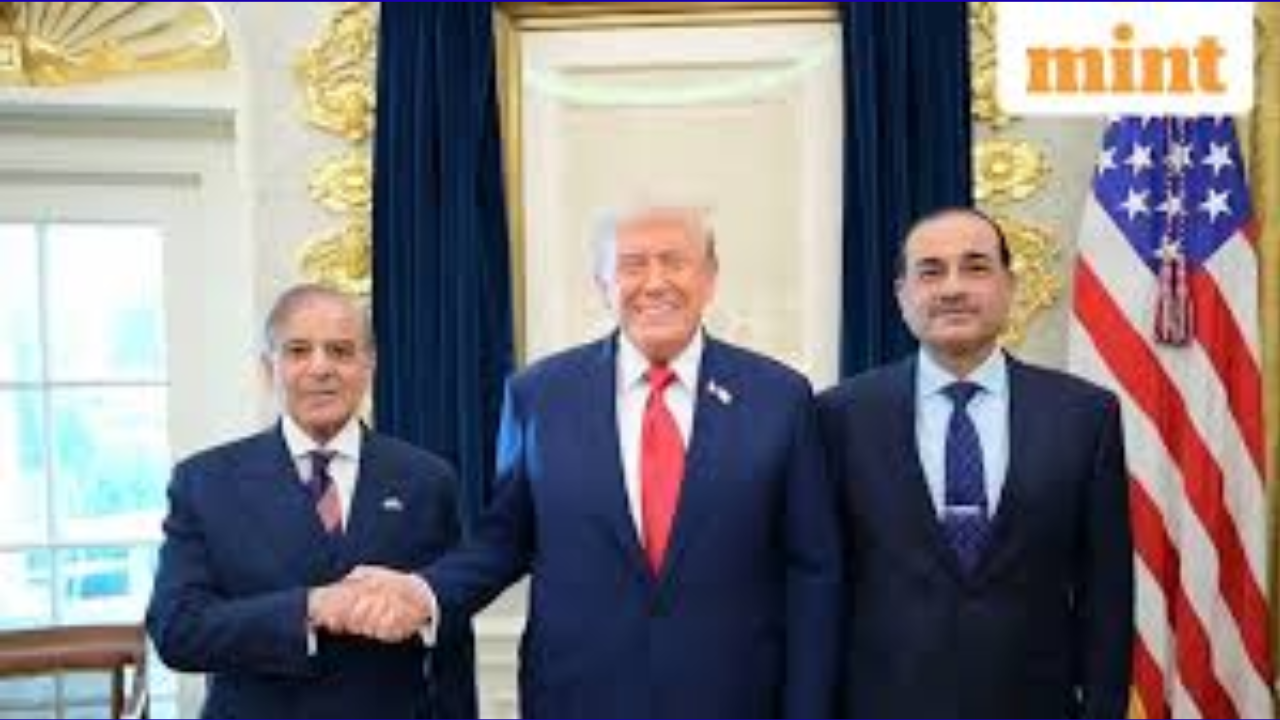
Following a high-stakes meeting with Rutte on Wednesday, Trump took to social media, declaring:
“NATO WASN’T THERE WHEN WE NEEDED THEM, AND THEY WON’T BE THERE IF WE NEED THEM AGAIN.”
Rutte’s Diplomatic Tightrope
Rutte’s strategy has been one of extreme pragmatism and strategic flattery. To keep the U.S. engaged, he has:
- Validated Trump’s Frustrations: In a CNN interview, Rutte admitted he “sees the point” of Trump’s disappointment.
- Praised the War Effort: He congratulated Trump on the war’s progress and avoided criticizing the President’s apocalyptic warning that “a whole civilization will die” if Iran does not yield.
- Prioritized the Relationship: Rutte described their “frank” talks as a “discussion between two good friends,” even as reports circulate that Trump may pull U.S. troops out of European nations that have refused to support the Iran campaign.
A Divided Alliance
While Rutte attempts to bridge the gap, individual member states are increasingly defiant.
| Country | Stance on the Iran War |
| Spain | Strong Opposition: Closed its airspace to U.S. planes and barred the use of joint military bases. |
| France | Legal Skepticism: Insists the war violates international law and reviews U.S. requests on a case-by-case basis. |
| Estonia | Conditional Support: Open to discussion, but only if an official NATO request is made with clear goals. |
The Future of NATO
The fundamental issue remains: NATO is a defensive alliance designed for the Euro-Atlantic area. While it has operated in Libya and Afghanistan in the past, the “defeat” of the 2021 withdrawal from Kabul has left members with zero appetite for another Middle Eastern conflict.
Rutte continues to insist that the alliance will only defend its own territory. However, with Trump questioning the value of the organization and threatening a total withdrawal, the “Trump Whisperer” may find that even his most polished diplomacy isn’t enough to stop the fraying of the world’s most powerful military bond.