While the White House is signaling a historic breakthrough with Tehran, officials in Israel remain deeply skeptical, and Iran continues to publicly deny that any formal talks are happening. The situation is a high-stakes tug-of-war between a “maximum pressure” military campaign and a sudden pivot to diplomacy.
Thank you for reading this post, don't forget to subscribe!The U.S. “Grand Bargain” Strategy
President Trump has shifted from military escalation to an aggressive diplomatic timeline. His administration’s current approach includes:
- The Five-Day Window: A temporary pause on U.S. strikes against Iranian energy infrastructure to allow “room for a deal.”
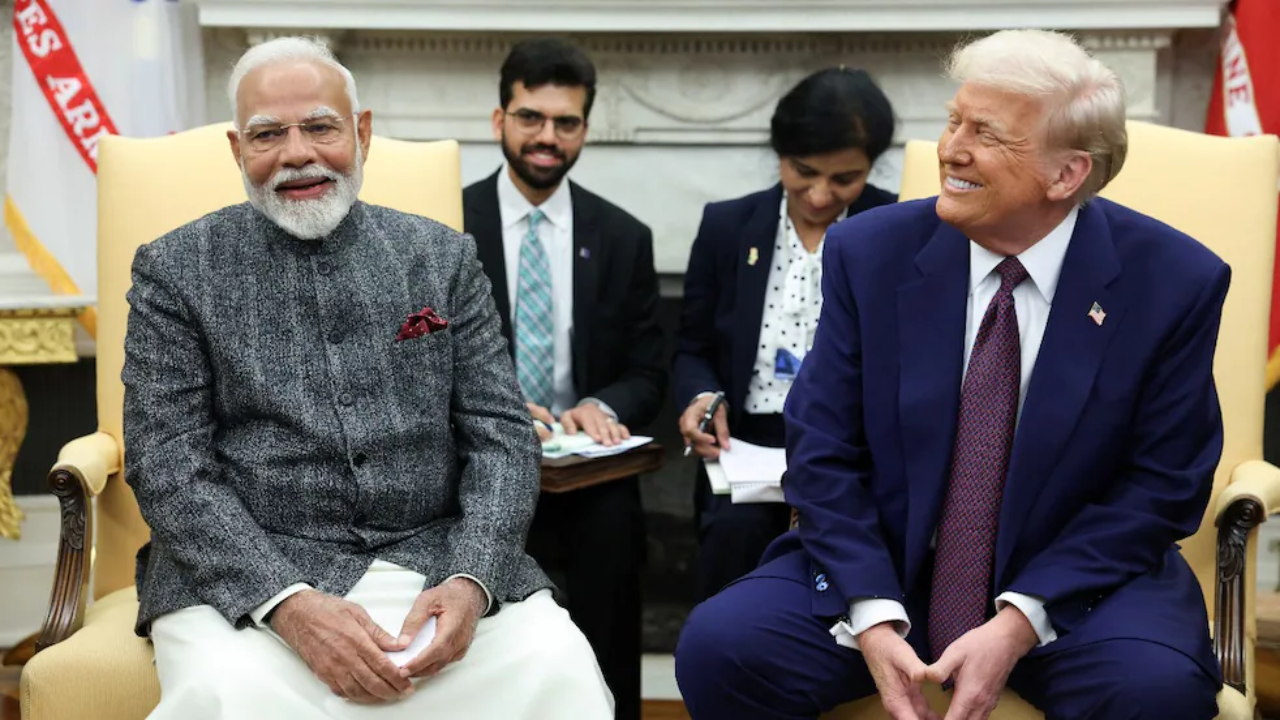
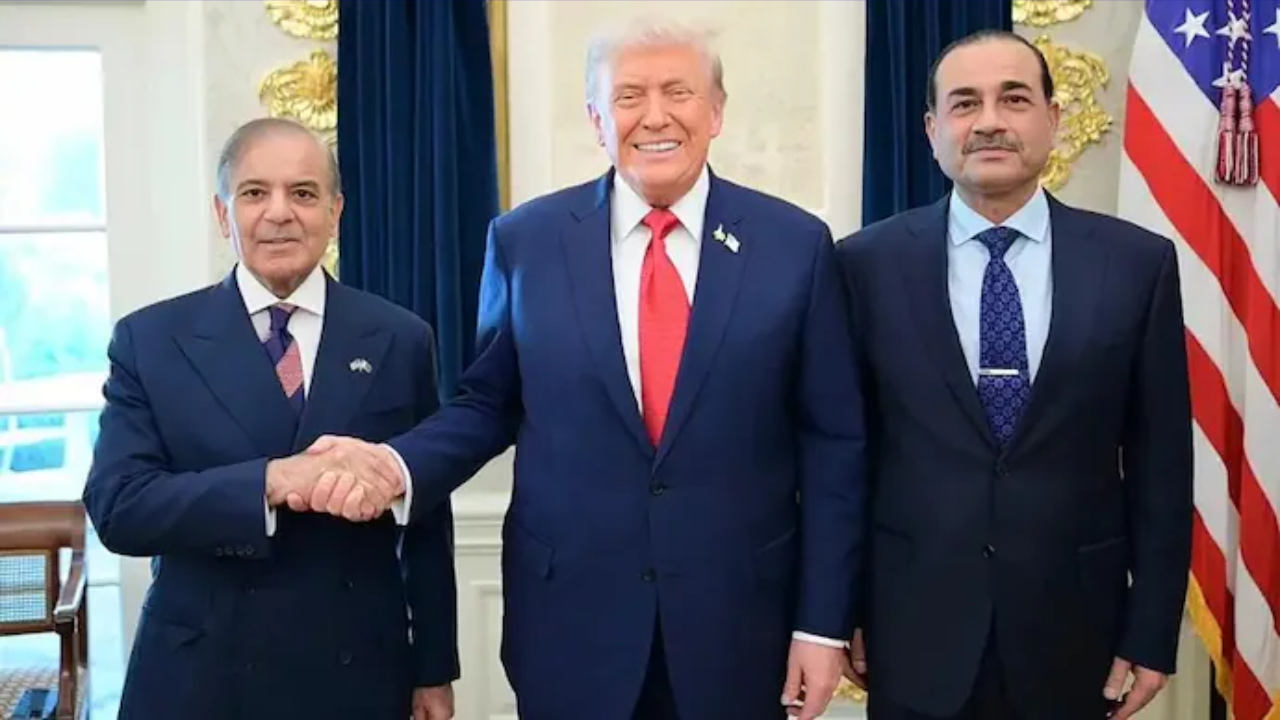
- The Inner Circle: Trump has re-engaged Jared Kushner and envoy Steve Witkoff to lead the back-channel negotiations.
- The Ultimatum: Washington is demanding the total removal of Iran’s enriched uranium stockpile and a permanent end to its nuclear ambitions in exchange for an immediate end to hostilities.
Israel’s “Dual-Track” Response
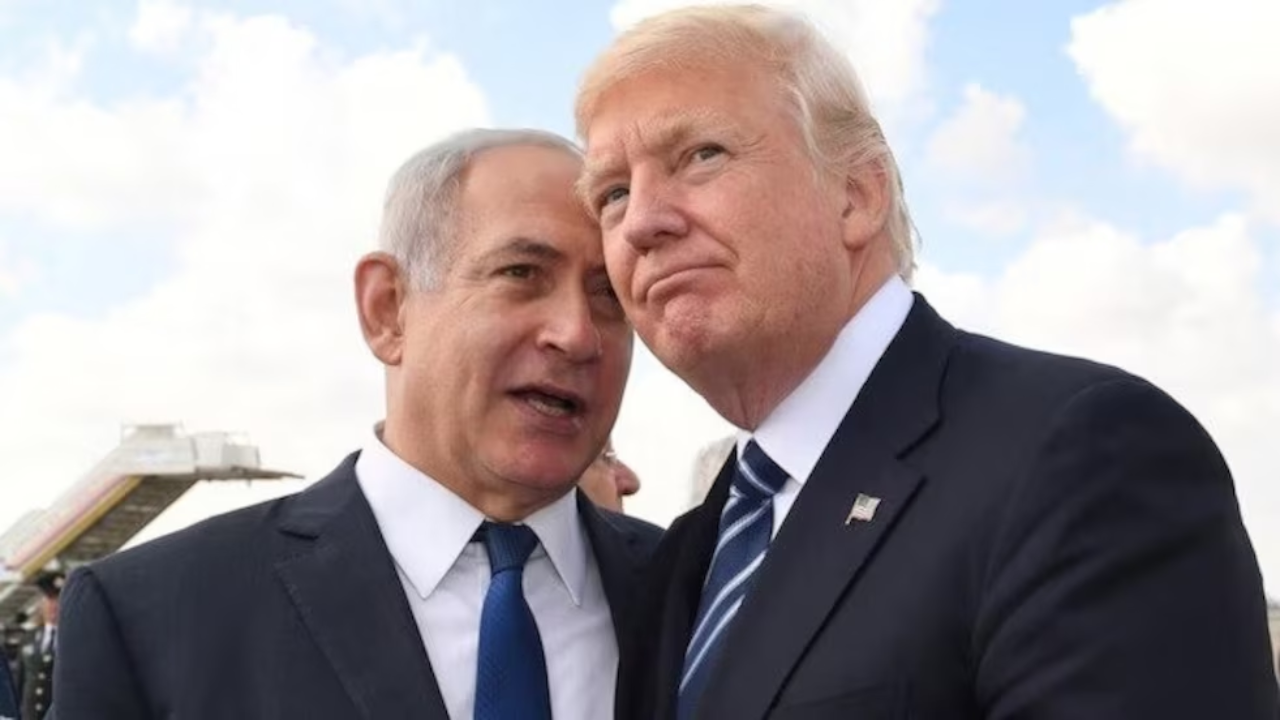
Prime Minister Netanyahu is walking a fine line, publicly supporting the U.S. effort while privately doubting its success.
- Military Leverage: Israel argues that recent IDF and U.S. strikes have weakened Iran to the point where a deal is possible, but they aren’t stopping their campaign yet.
- Strategic Skepticism: Israeli officials have leaked that a deal is unlikely because the U.S. terms amount to a “total surrender” that Tehran is unlikely to sign.
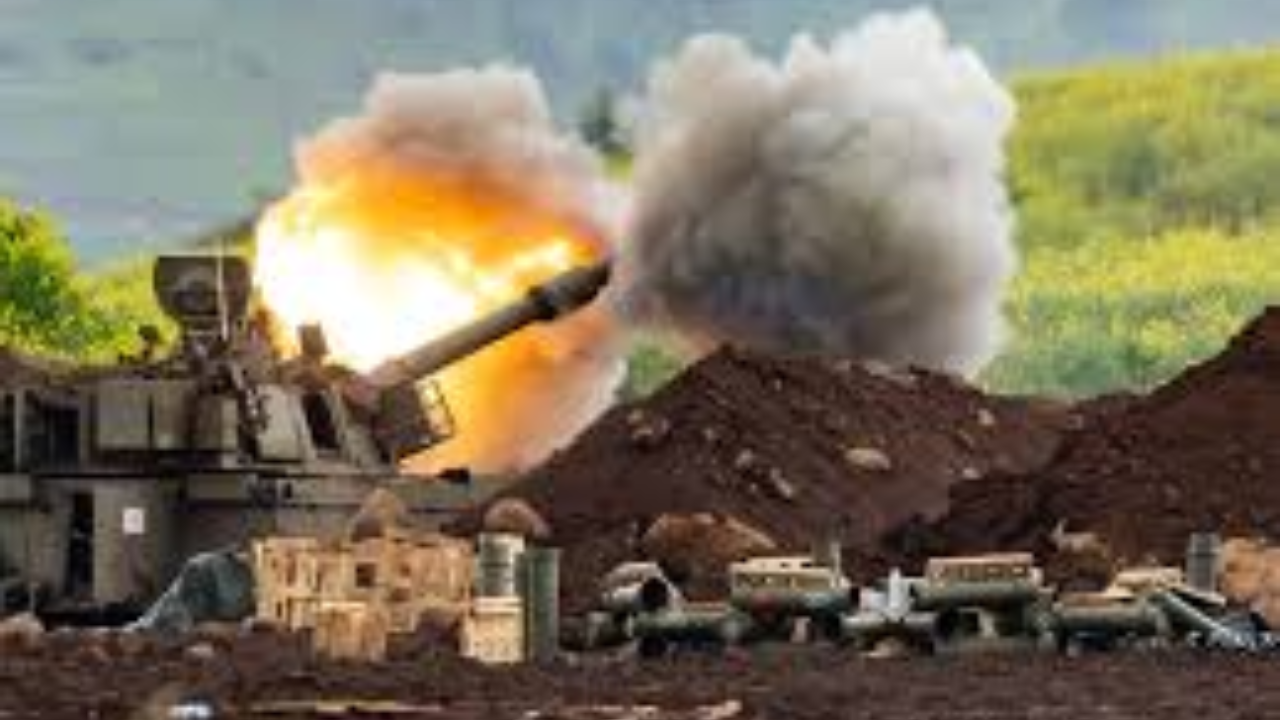
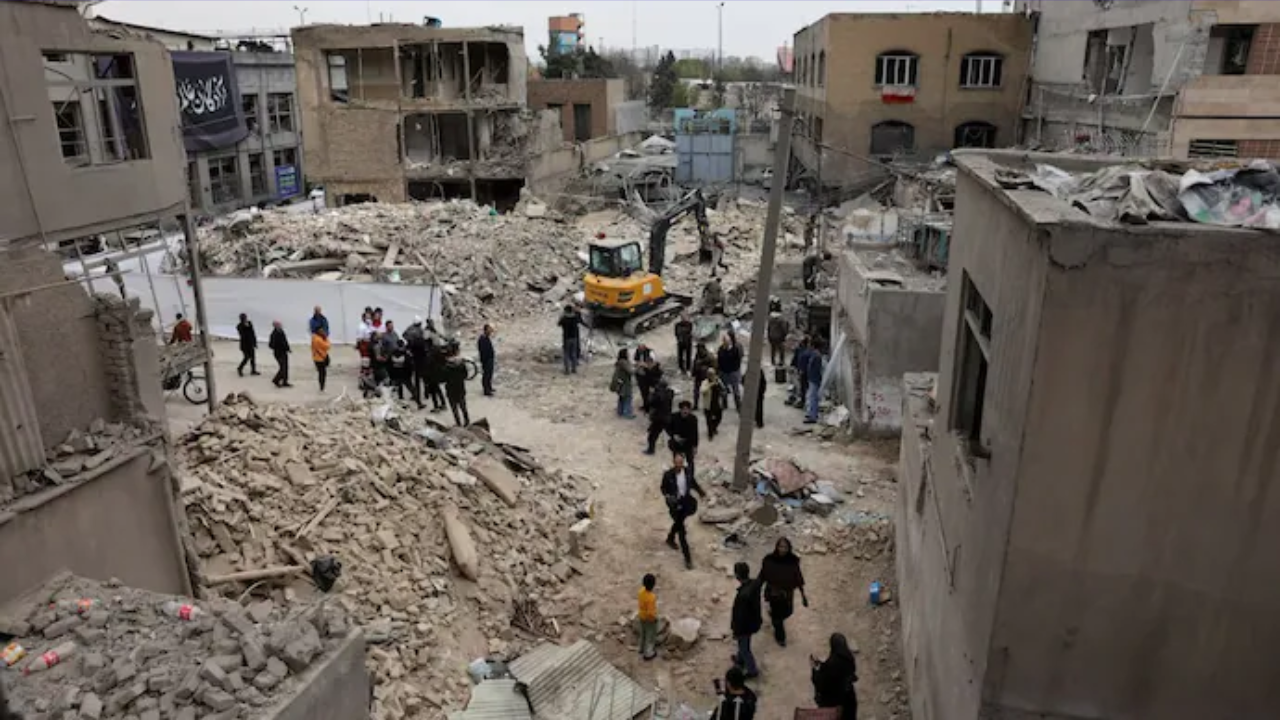
- Continued Pressure: Even as the U.S. pauses energy strikes, the IDF continues to target IRGC headquarters and missile sites across Iran.
The Iranian Wall of Denial
Despite Trump’s claims of “productive conversations,” Tehran is maintaining a hard line in public.
- Dismissing the Claims: Iranian leadership has labeled reports of a pending deal as “fake news” and “market manipulation.”
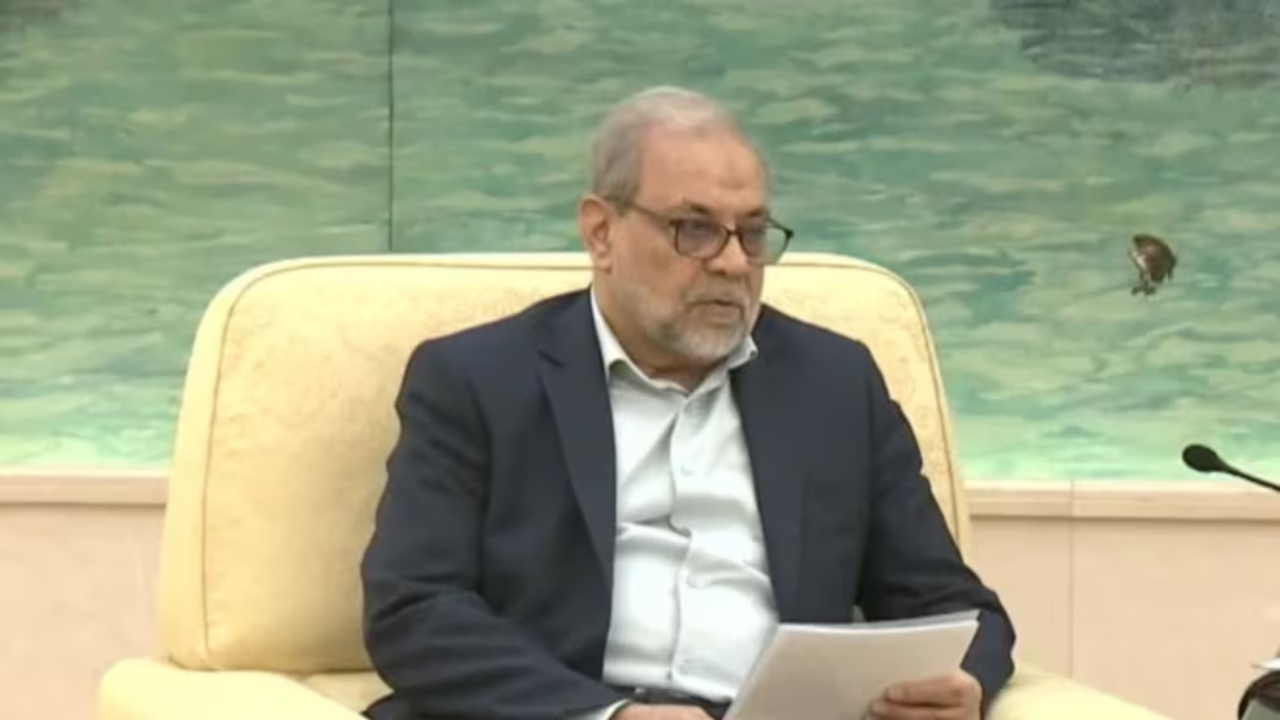
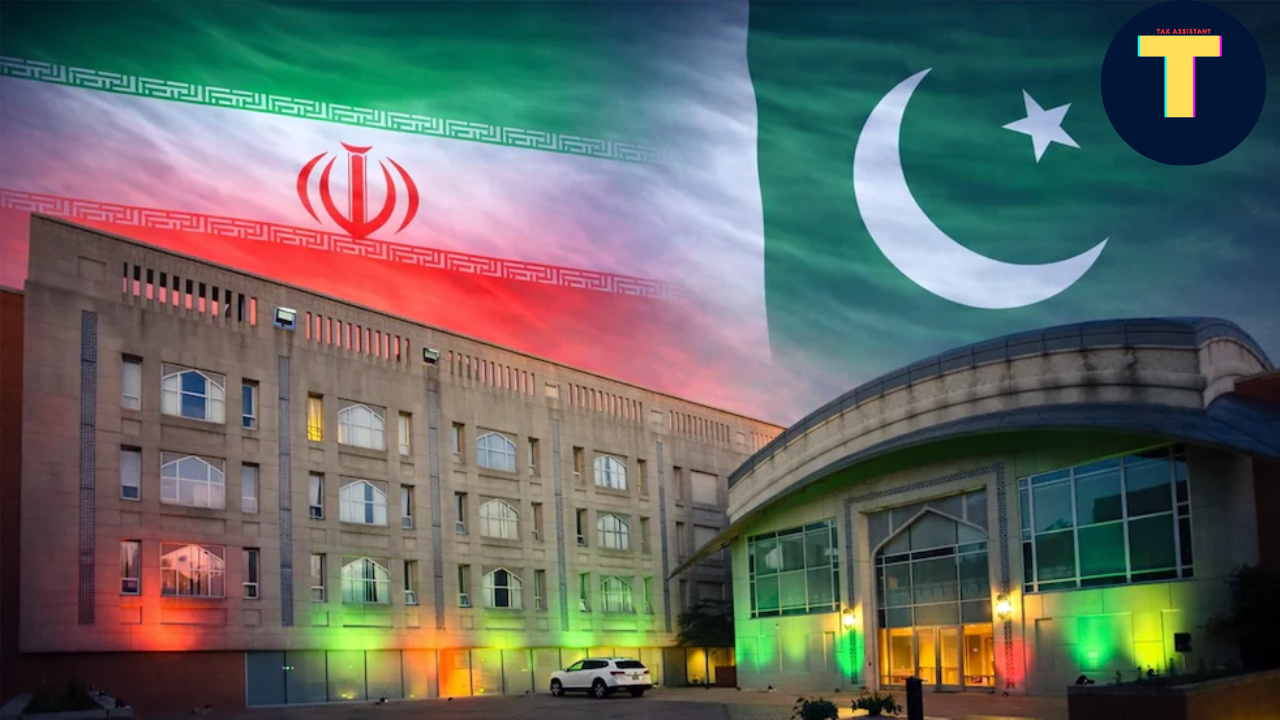
- Secret Channels: While the public stance is rigid, intermediaries in Turkey and Oman suggest that Foreign Minister Abbas Araghchi may be looking for a face-saving exit if the terms are right.
Quick Comparison: Where Everyone Stands
| Actor | Current Stance | Underlying Motivation |
| United States | Optimistic | Seeking a “complete resolution” and market stability. |
| Israel | Skeptical | Ensuring any deal doesn’t leave Iran a “threshold” nuclear power. |
| Iran | Denial | Maintaining internal strength while seeking an end to the strikes. |