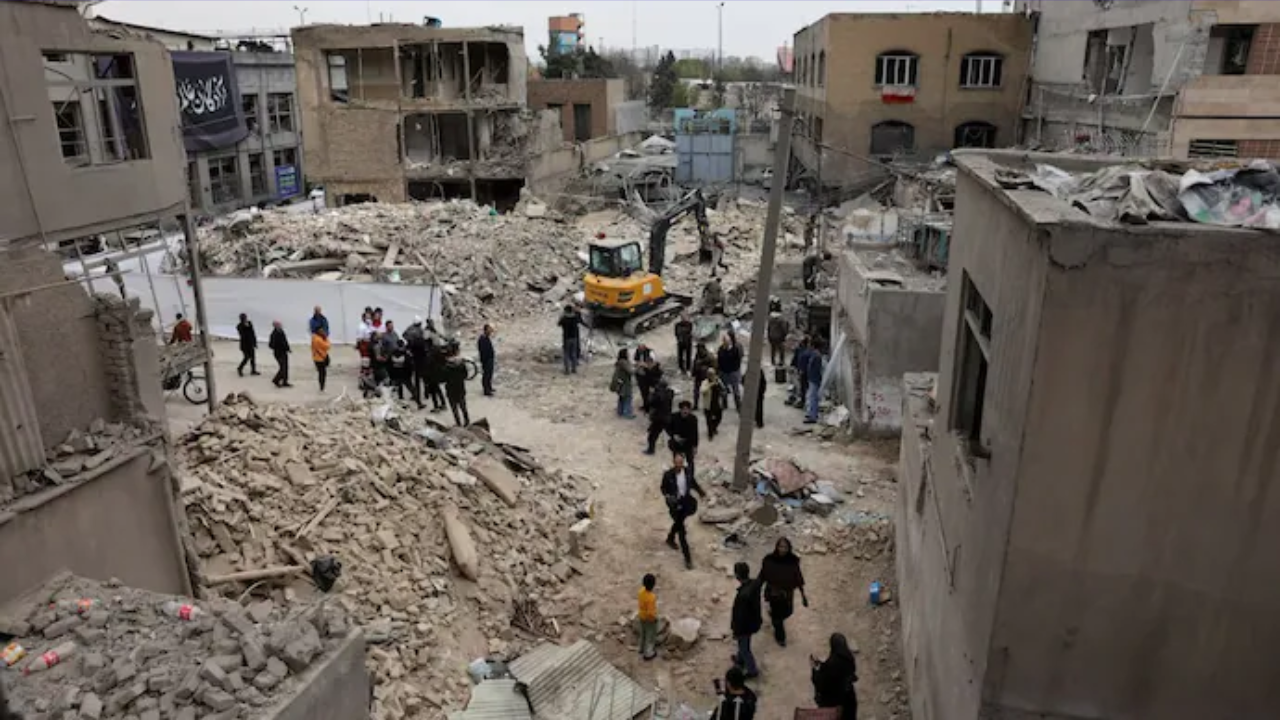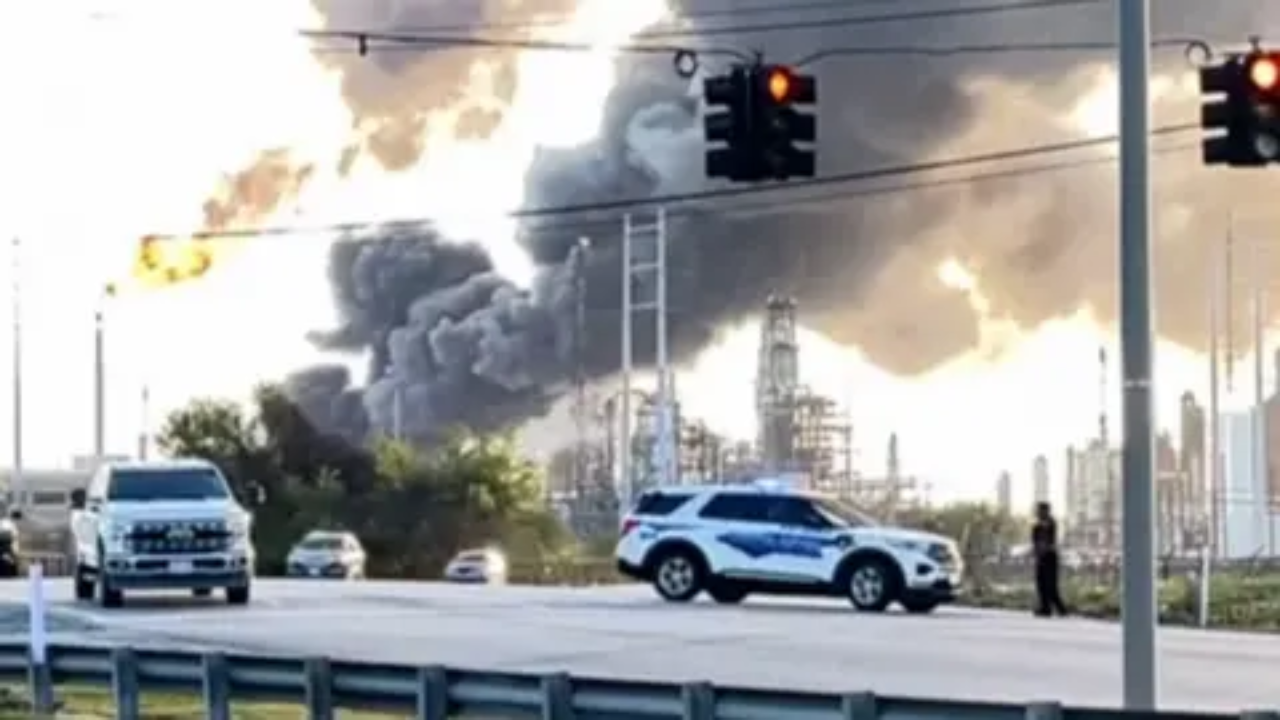
As the regional conflict enters its second month, Pakistan’s frantic diplomatic maneuvering isn’t just about peace—it’s about preventing a total domestic and economic meltdown. Islamabad is currently the only capital with the “keys” to both the White House and the Iranian Supreme Leader’s office.
Thank you for reading this post, don't forget to subscribe!I. The “Impossible Choice”: Riyadh vs. Tehran
The September 2025 Strategic Mutual Defence Agreement (SMDA) with Saudi Arabia has boxed Pakistan into a corner.
- The Pressure: Riyadh expects military solidarity against Iranian proxies.
- The Consequence: If Pakistan joins a Saudi-led coalition, it faces a 900km hostile border with Iran.
- The Solution: Mediation is the only way for Pakistan to honor its Saudi “brotherhood” without actually firing a shot at its neighbor.
II. The Specter of Internal Unrest
With the world’s second-largest Shia population (roughly 35 million people), Pakistan is a tinderbox.
- Any Pakistani alignment with US or Israeli strikes on Iran would likely trigger unprecedented sectarian rioting in major cities like Karachi and Lahore.
- For the Pakistani military, mediating a ceasefire is a national security necessity to keep the streets quiet.
III. The Looming Energy Bankruptcy
Pakistan’s economy cannot survive a prolonged war in the Persian Gulf.
- The LNG Cliff: Estimates suggest Pakistan’s LNG reserves will be depleted by April 2026.
- Market Chaos: With the Strait of Hormuz under threat, oil prices have spiked, threatening to trigger a hyper-inflationary spiral that would dwarf the 2023-24 crisis.
- The BRI Factor: A stable Iran is the “middle piece” of China’s Belt and Road Initiative. Beijing is likely leaning on Islamabad to fix the mess to protect trade routes.
IV. Leveraging the “Backchannel”
Pakistan occupies a unique diplomatic niche that makes it the “Mediator-in-Chief” by default:
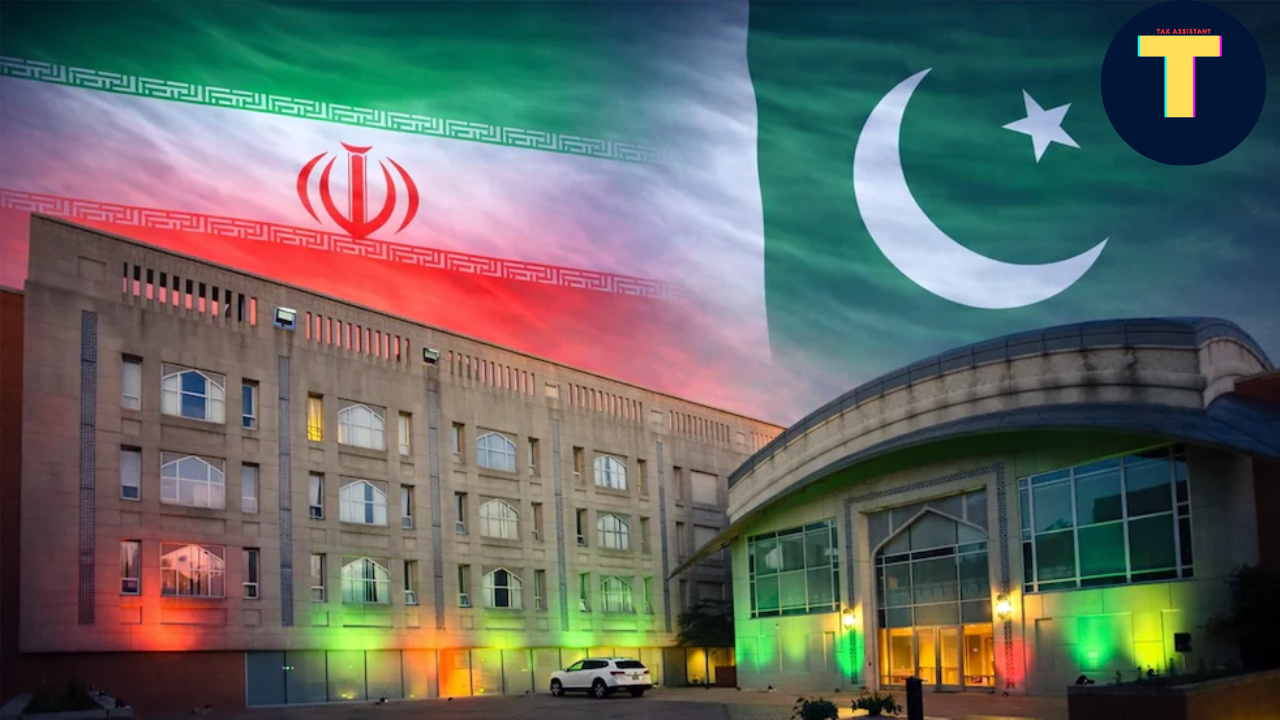
- The Intermediary: Pakistan officially handles Iran’s diplomatic interests in Washington.
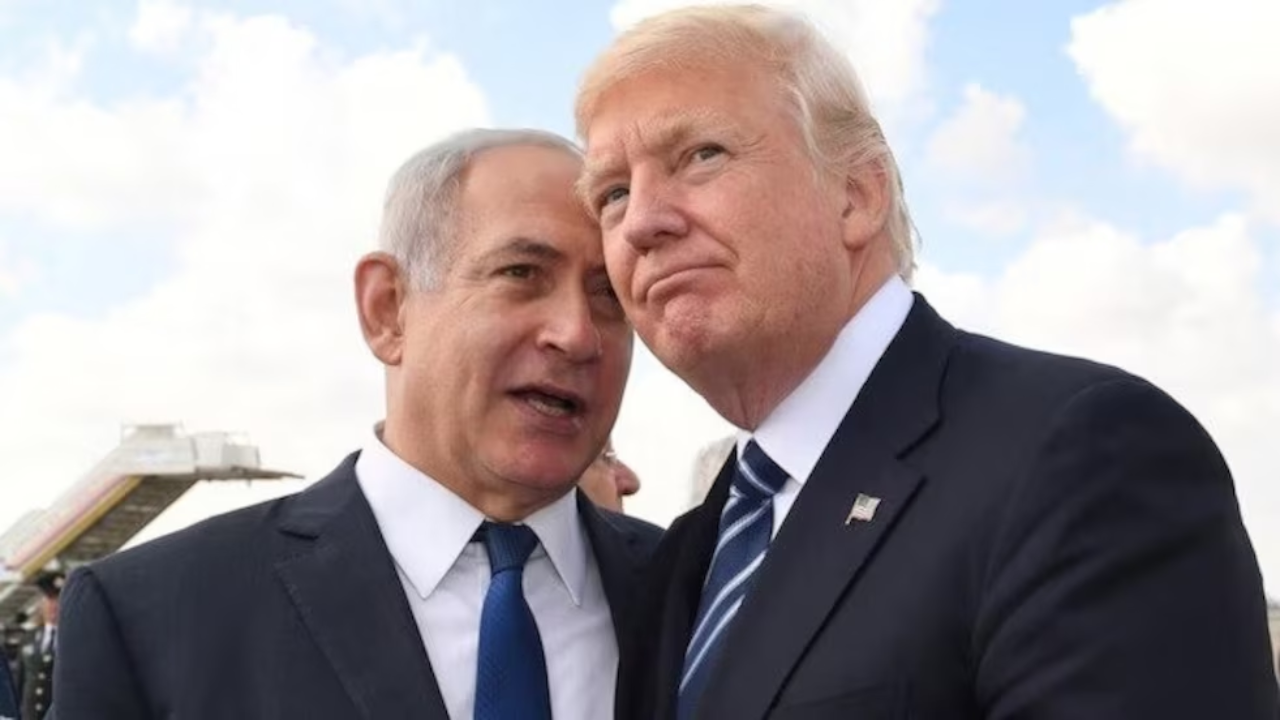
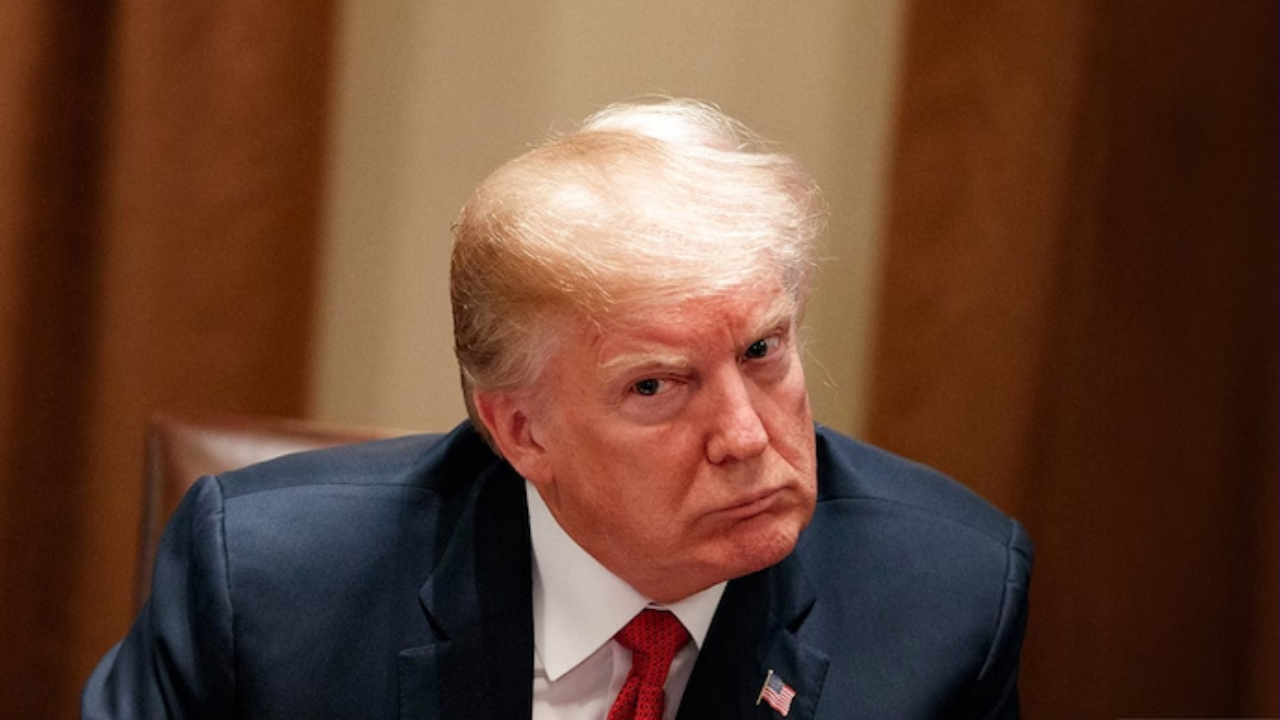
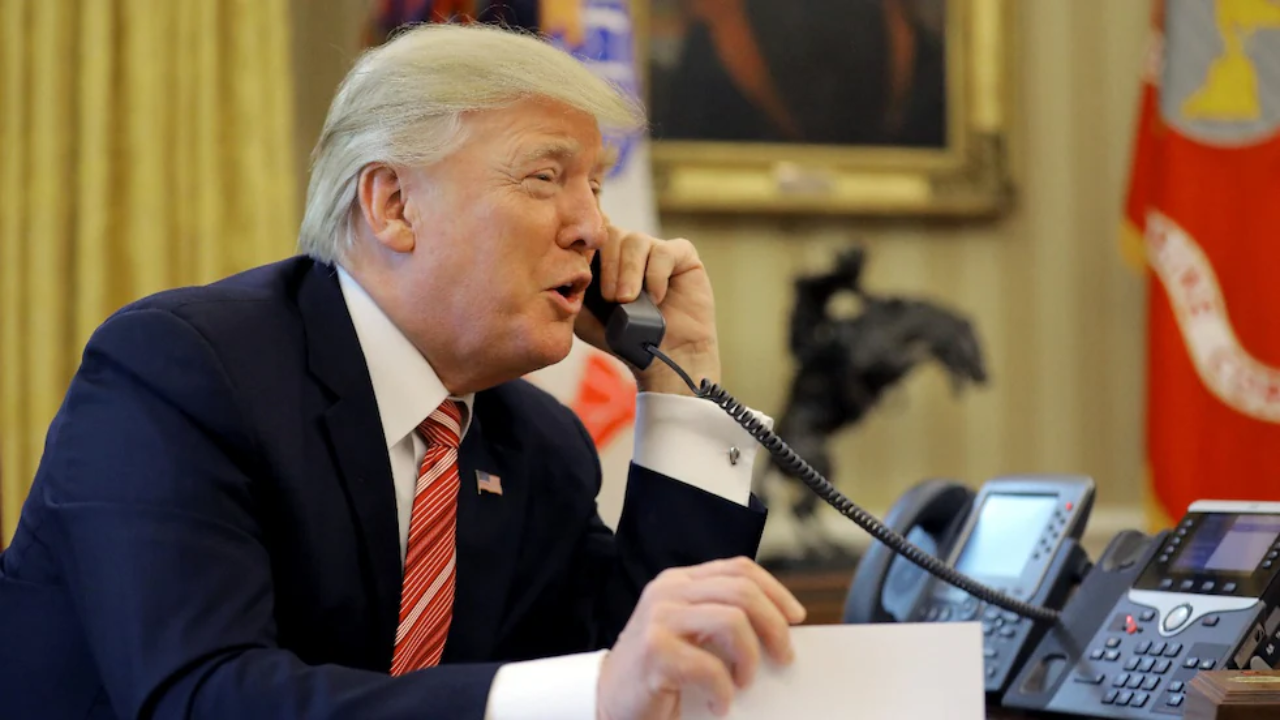
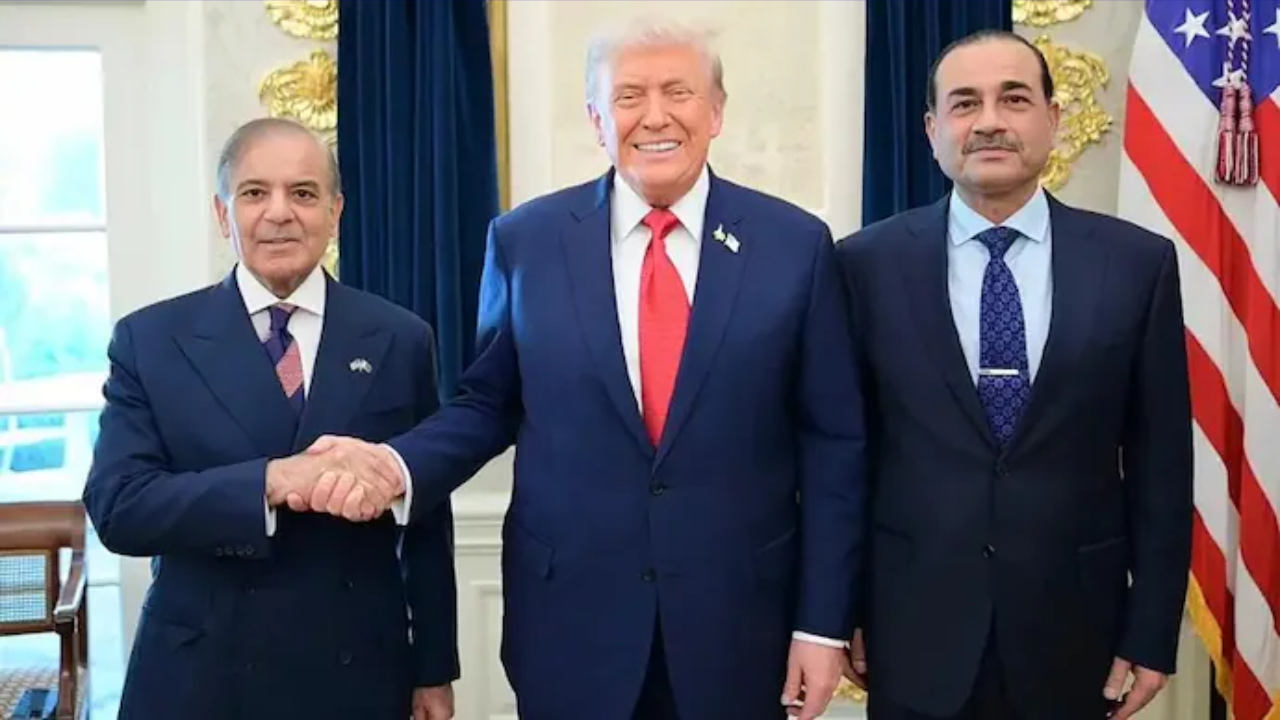
- Trump-Munir Rapport: Army Chief Asim Munir’s direct line to President Trump provides a bridge that even European allies lack.
- The Pezeshkian Link: Prime Minister Shehbaz Sharif has maintained a rapport with Iranian President Masoud Pezeshkian, positioning Pakistan as the “honest broker.”
V. Strategic Rebranding
After the tensions of Operation Sindoor in 2025, Pakistan is desperate to pivot its global image. By positioning itself as the “Stabilizer of the Middle East,” Islamabad hopes to:
- Secure massive debt restructuring.
- Gain favor with the Trump administration to offset Indian influence.
- Prove its “utility” to the international community.
Comparison of Current Positions (March 24, 2026)
| Factor | Pakistan’s Goal | The Risk |
| Security | Border Stability | Sectarian spillover from Iran. |
| Economy | Energy Security | Bankruptcy if the Strait of Hormuz closes. |
| Diplomacy | Global “Bridge” | Accusations of “double-dealing” by the US. |