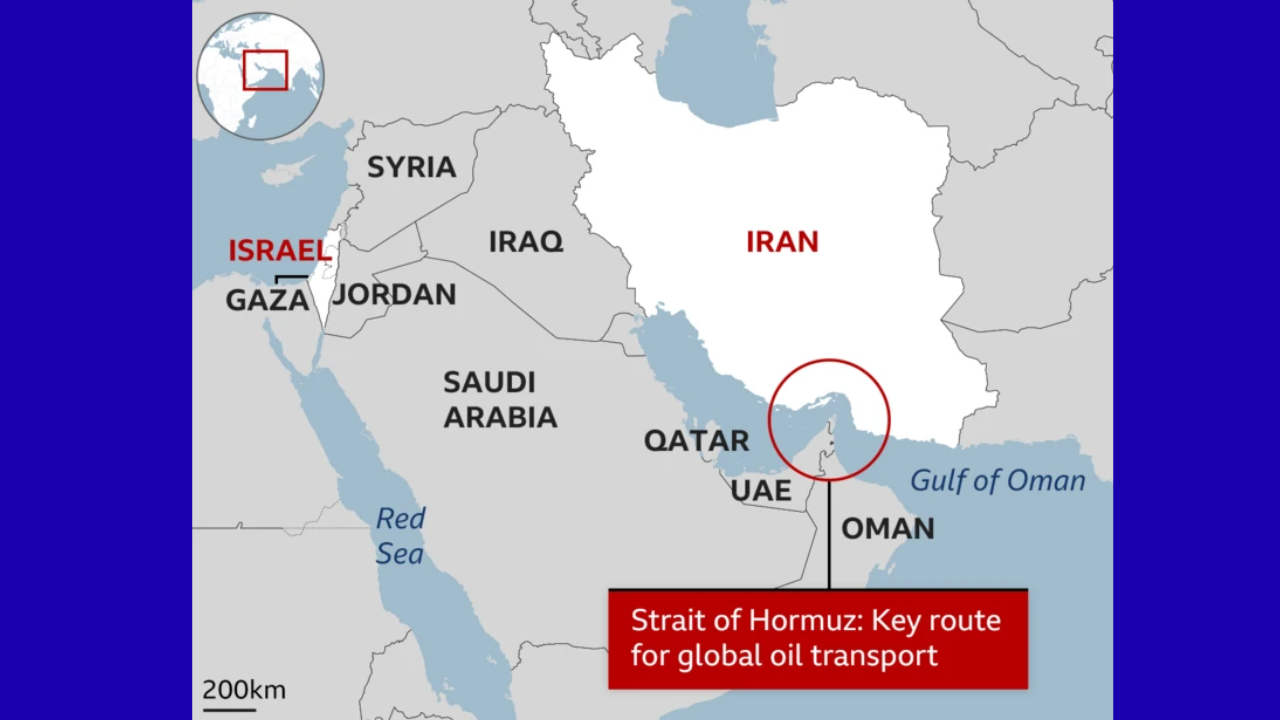
The Strait of Hormuz is widely considered the most strategically important maritime passage in the world. As the only sea link between the Persian Gulf and the open ocean, it functions as a critical “energy artery” for the global economy.
Thank you for reading this post, don't forget to subscribe!1. Geography: The “Bottleneck”
- Location: It separates Iran to the north from Oman and the United Arab Emirates to the south.
- Dimensions: At its narrowest point, the waterway is only 21 miles (33 km) wide.
- Traffic Control: Due to the narrow space, ships must use a Traffic Separation Scheme. This consists of two 2-mile-wide lanes (one inbound, one outbound) separated by a 2-mile buffer zone to prevent collisions.
2. Global Economic Impact
- Oil Flow: Approximately 20 to 21 million barrels of oil pass through daily. This accounts for roughly 20% of global petroleum consumption and nearly one-third of all seaborne oil.
- Natural Gas: It is the primary route for Liquified Natural Gas (LNG) from Qatar, representing about 20% of the world’s LNG supply.
- Asian Markets: The majority of this energy is destined for Asia, with China, India, Japan, and South Korea being the most dependent on this route.
3. Geopolitical Significance
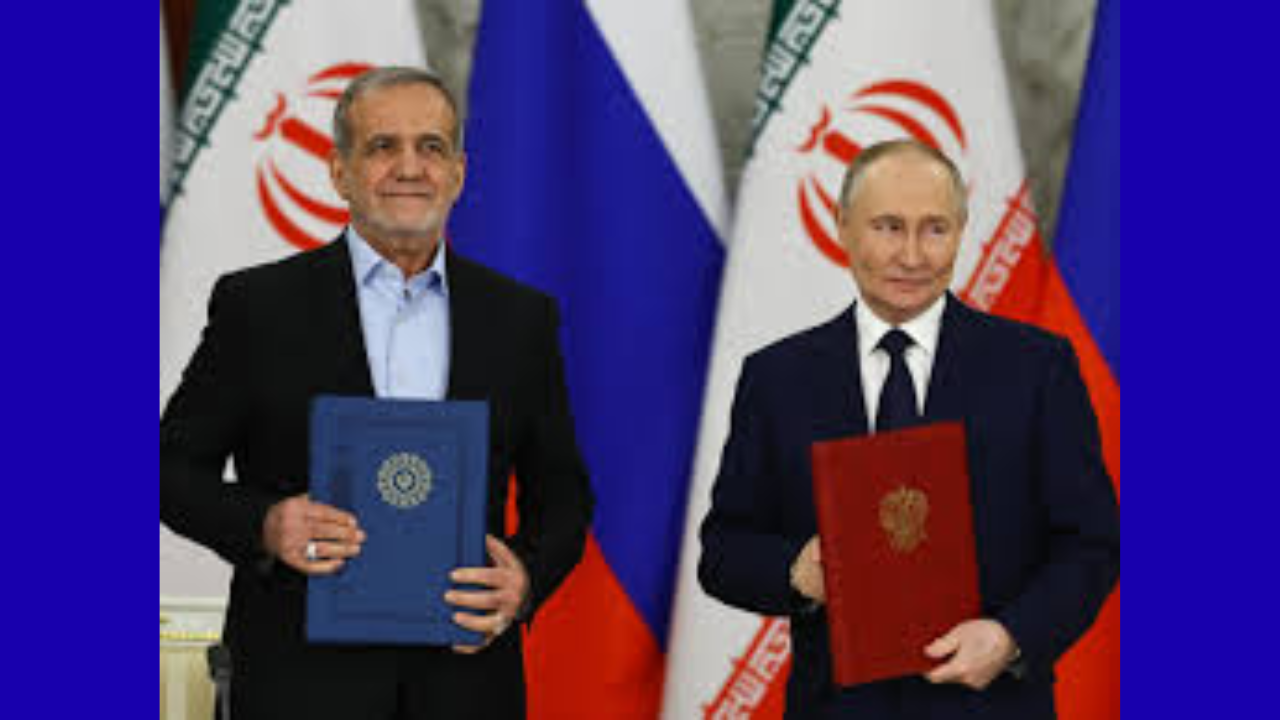
- Iranian Control: Iran’s long northern coastline gives it significant oversight of the passage. In times of high tension with the West, Tehran has occasionally threatened to close the strait.
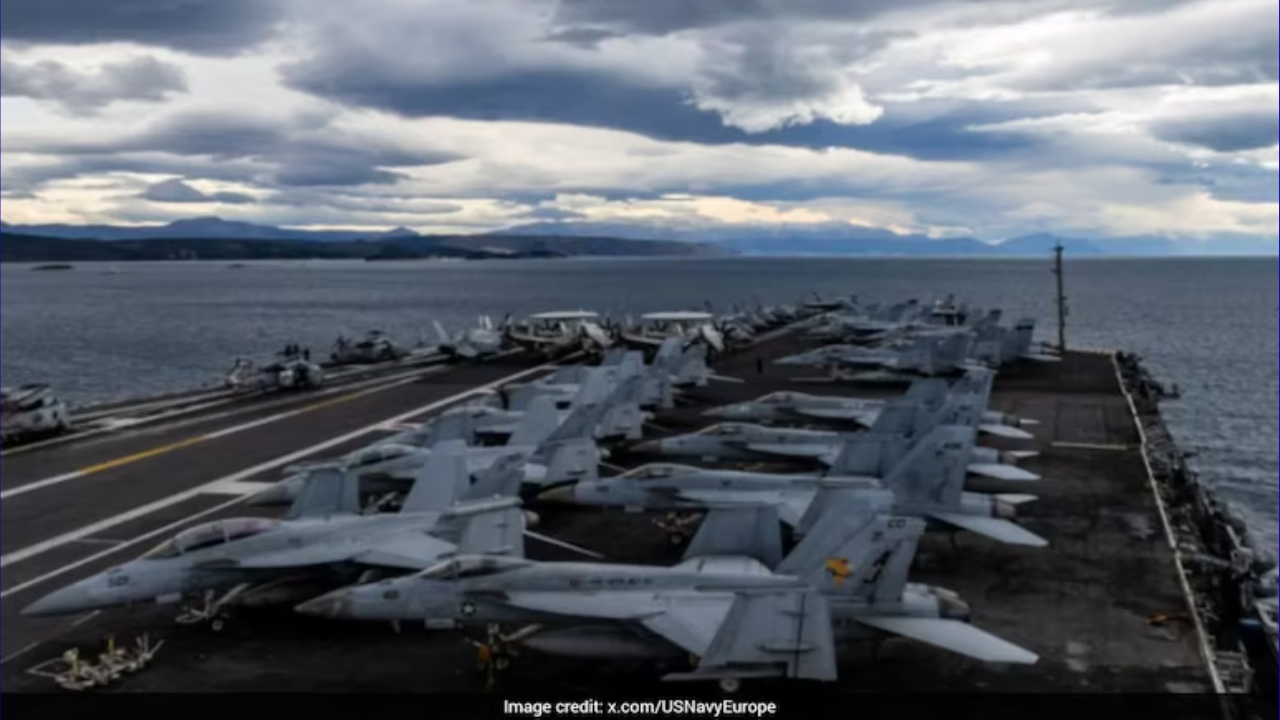
- Security Risks: The region has historically seen “tanker wars,” vessel seizures, and drone activity. Even a minor incident can cause a “risk premium” spike, driving up global oil prices instantly.