For decades, the Middle East lived under the “Shadow War”—a cycle of proxy fights and covert operations. That era ended this week. With the launch of Operation Epic Fury, the quiet tension has been replaced by the roar of a direct, multi-national conflict that is reshaping the map in real-time.
Thank you for reading this post, don't forget to subscribe!1. From Proxies to Frontlines
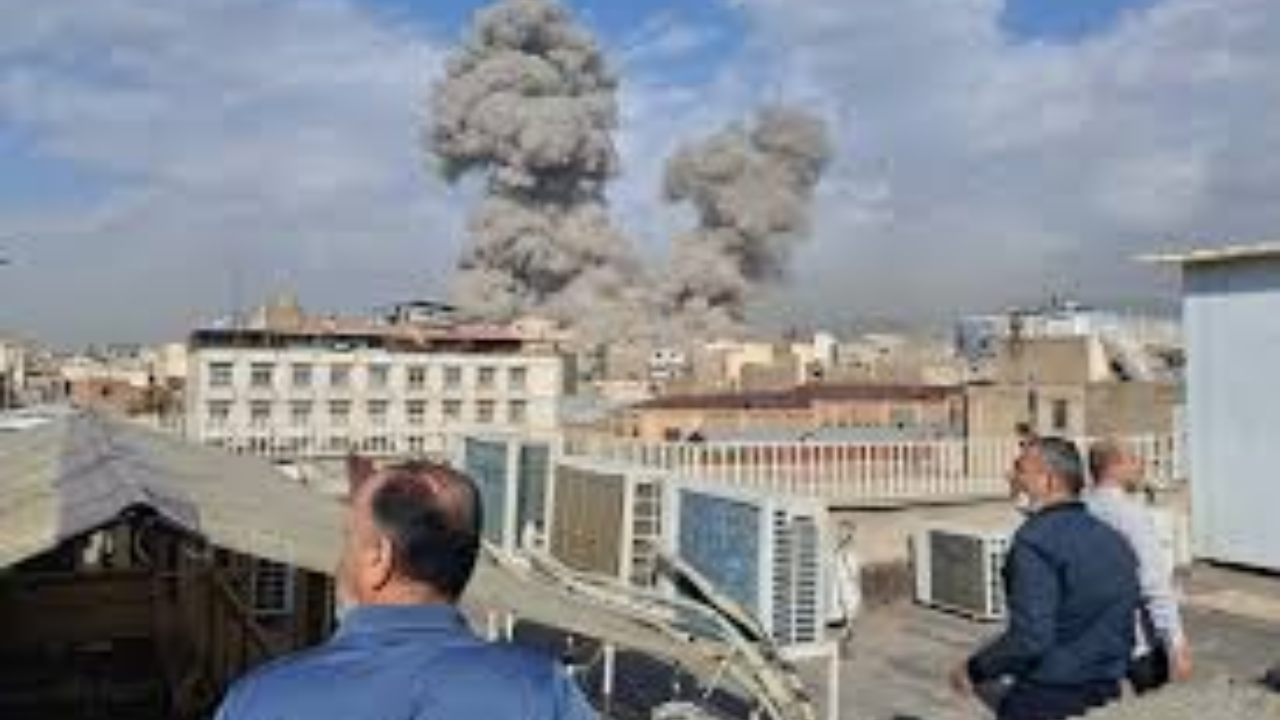
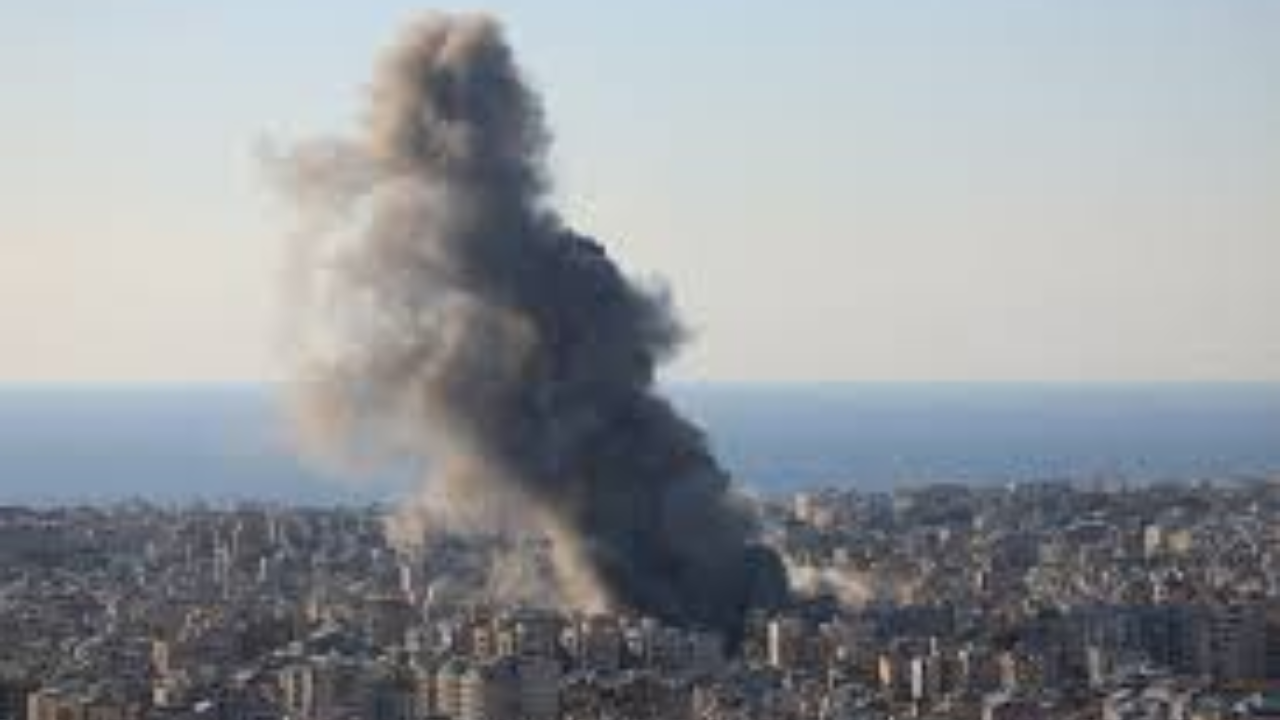
The most frightening aspect of this new reality is the disappearance of the “buffer.” Conflict is no longer confined to remote outposts; it is hitting the heart of major metropolises.
- Tehran in Turmoil: The confirmed death of the Supreme Leader has created a power vacuum unlike anything seen since 1979.
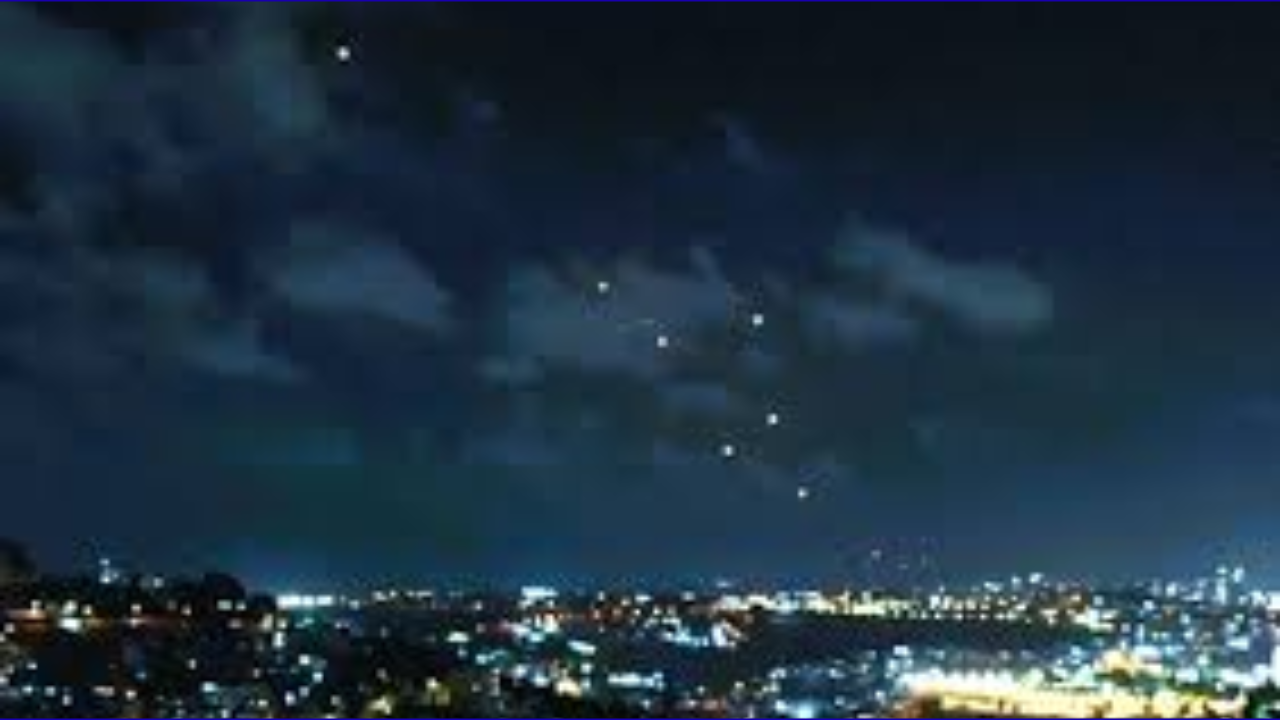
- The Gulf Under Fire: For the first time, residents in Dubai and Doha are hearing the sounds of air defense systems as Iran targets U.S. host bases across the Arabian Peninsula.
2. The Economic Tremor
This isn’t just a regional tragedy; it’s a global disruption.
- The Hormuz Chokepoint: With the Strait of Hormuz effectively a no-go zone, the “veins” of the global energy market have been pinched.
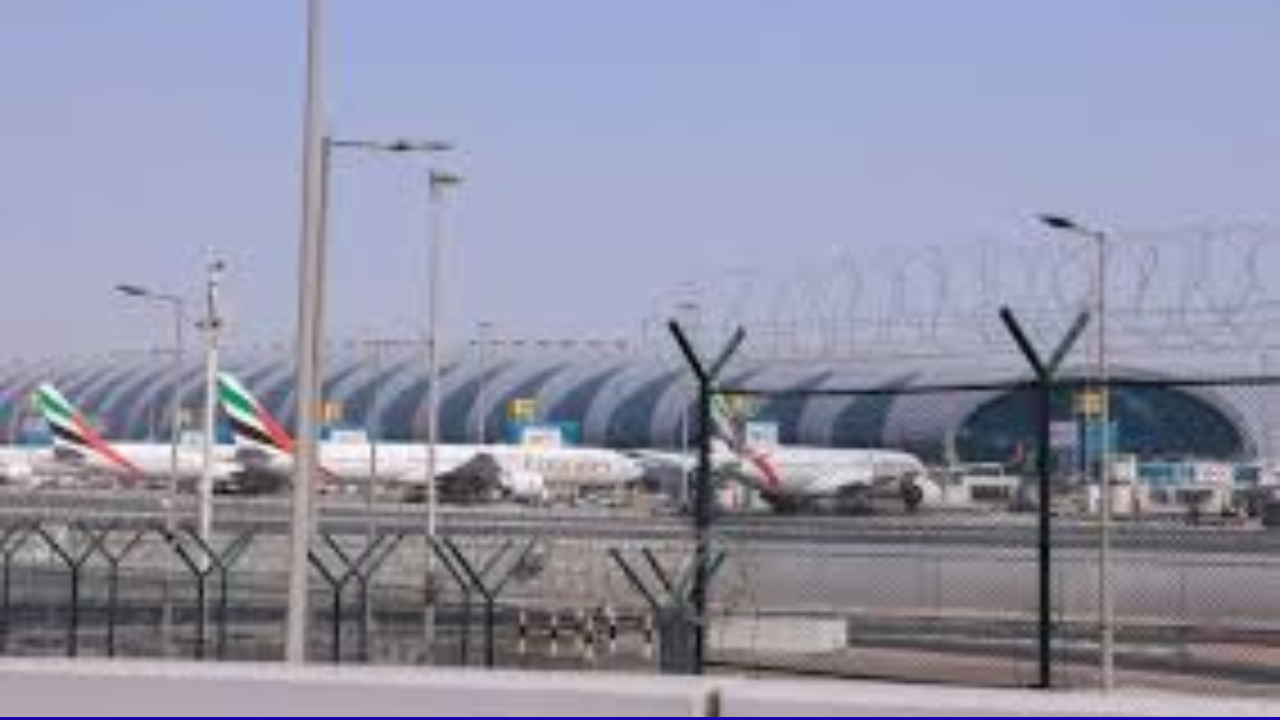
- Commercial Paralysis: The targeting of civilian airports has turned the world’s busiest transit hubs into ghost towns, severing the West’s primary connection to Asia.
3. The Human Cost
Beyond the headlines of “regime change” lies a deepening humanitarian crisis.
- Infrastructure Collapse: Strikes on Iranian command centers have inadvertently crippled local power grids and water supplies.
- A Region Displaced: Internal displacement within Iran and the flight of expatriates from the Gulf states are creating a migrant crisis that is already beginning to ripple toward Europe and Turkey.