The government shutdown has hit Day 29, leaving roughly 750,000 federal workers furloughed and countless others working without pay. The crisis is deepening, with funding for the Supplemental Nutrition Assistance Program (SNAP) set to expire on Friday, threatening grocery benefits for one in eight Americans.
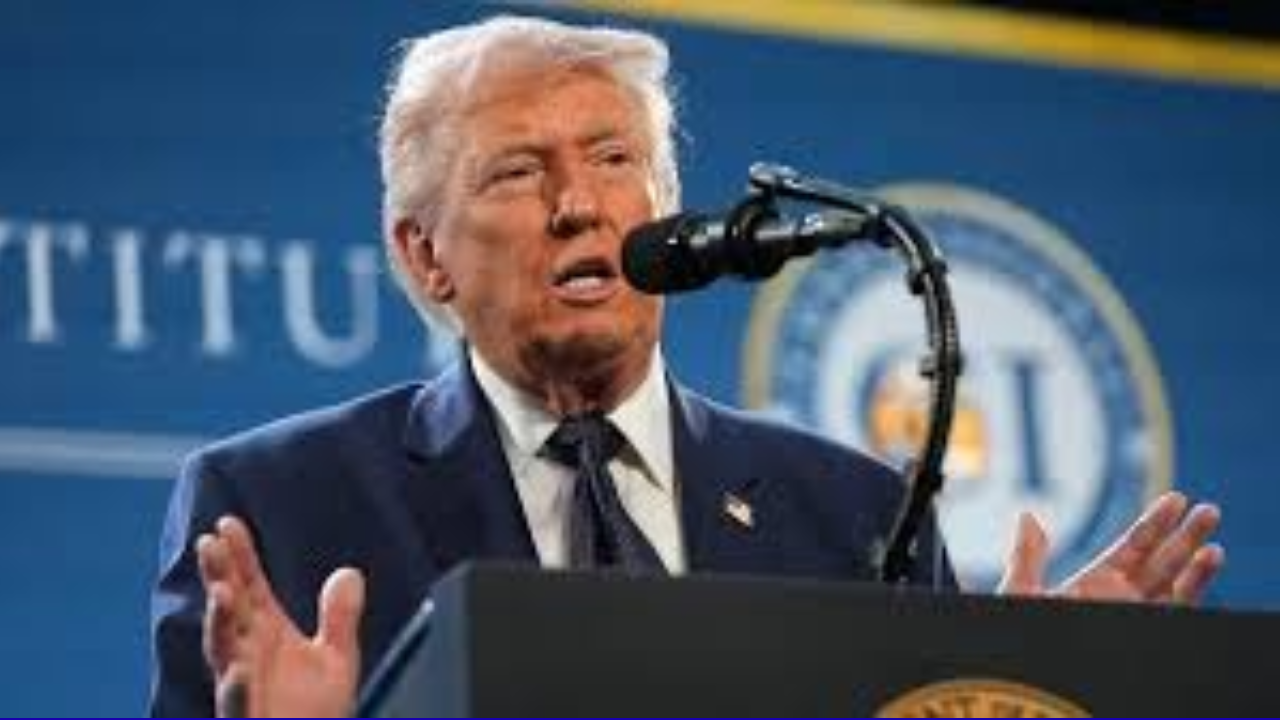
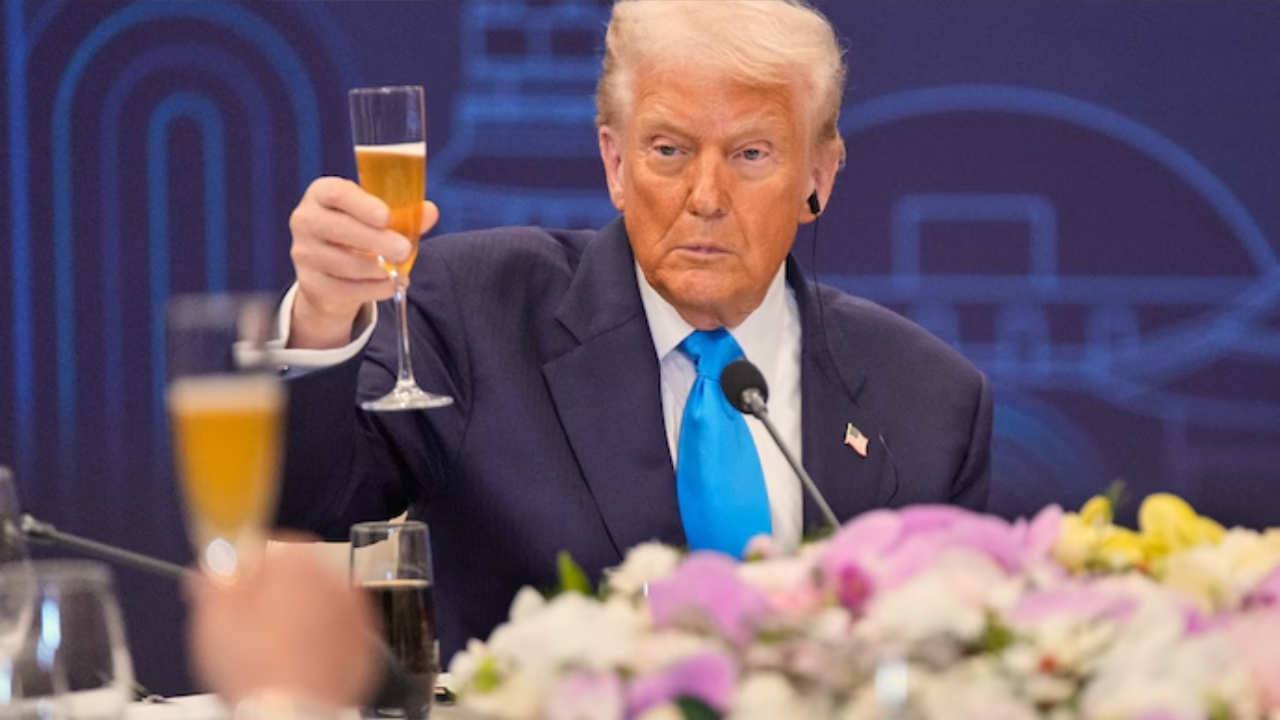
Thank you for reading this post, don't forget to subscribe!However, unlike previous shutdowns—even the one during his first term—President Donald Trump appears largely unconcerned. Instead of scaling back his schedule to appear sympathetic, it’s been mostly business as usual.
A Different Approach to Crisis
In the past, presidents often cut travel and operated with a bare-bones White House staff to acknowledge the strain on the nation. Not this time.
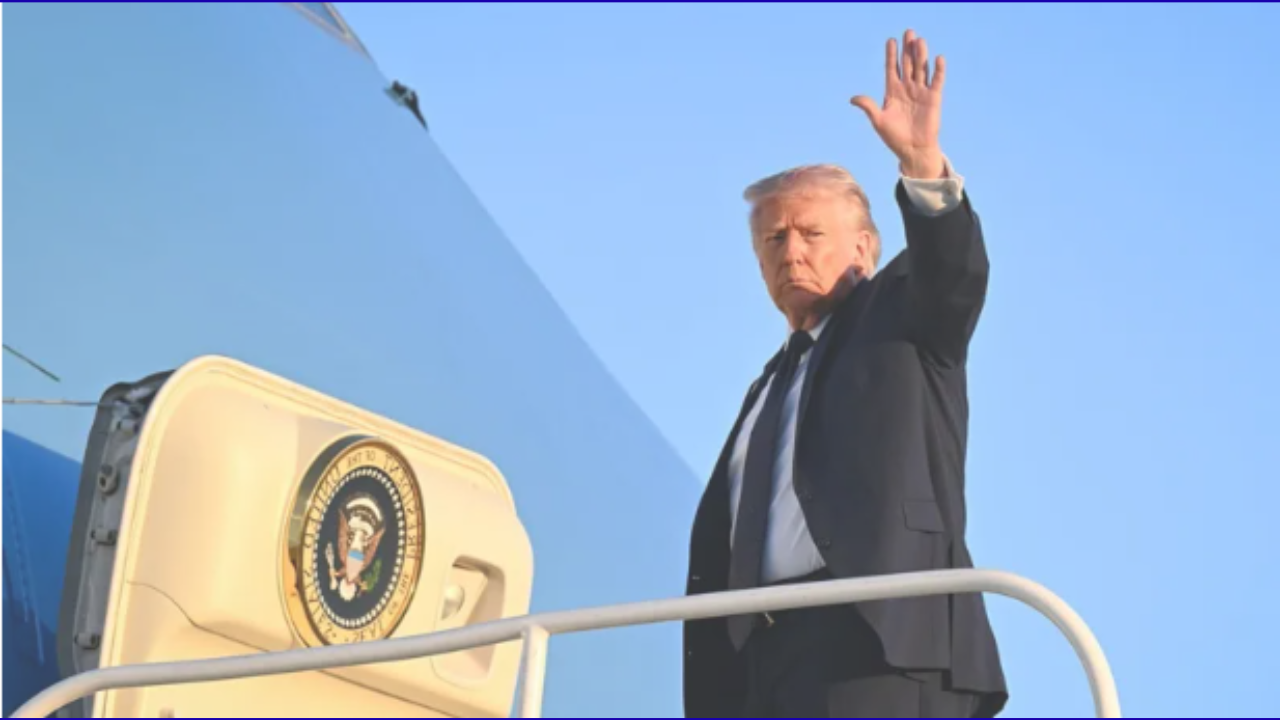
- No Curtailing of Activity: President Trump has not skipped his golf outings or curtailed his travel, which recently included a whirlwind swing through the Middle East and a six-day trip to Asia.
- Fundraisers and Construction: He hosted a White House fundraiser for major donors to his $300 million ballroom (which requires construction crews tearing down the East Wing) and held another at his Mar-a-Lago estate.
- Full Staff and Home-Cooked Meals: Only 32% of the Executive Office of the President staff are furloughed, down from 61% during the 2018-19 shutdown. The White House kitchen is even fully staffed; when he hosted the Clemson football team during the last shutdown, the food had to be fast-food from McDonald’s and Burger King due to furloughs. This time, staff made the burgers.
Political Strategy or Disregard?
Allies argue that “barreling ahead” is a “smarter approach,” allowing the President to appear presidential while avoiding congressional bickering. Marc Short, a former aide to Vice President Mike Pence, noted that this time, the White House has been clear about “not owning” the shutdown, unlike Trump’s first-term shutdown, when he explicitly claimed ownership over the impasse for border wall funding.
But critics, like Democratic strategist Paul Begala, suggest Trump and his team seem unfazed, like the lyrics of a country song: “‘Sometimes falling feels like flying for a little while,’… ‘So far, so good, man.'” Leon Panetta, a former White House chief of staff under Bill Clinton, observed that the President’s attention is currently “focused on everything but sitting down and getting both parties together to resolve this issue.”
The Blame Game and Political Fallout
As the financial pain mounts for federal workers and millions of SNAP recipients, Democrats are demanding an extension of expiring ACA tax credits. Republicans, conversely, refuse to negotiate until the government is reopened.
The public remains divided on who to blame, but former White House officials note Trump’s administration is not acting like it feels the political heat to reopen.
“It is not likely we’re going to have clear winners or losers after this,” said Mike McCurry, a former Clinton press secretary. “It’s going to be a bit of a muddle.”
What aspect of the shutdown—the political strategy, the impact on federal workers, or the threat to SNAP benefits—are you most interested in exploring further?