For centuries, the Royal Navy was the “wooden walls” of Britain—a force so dominant it dictated global trade and peace. However, the 20th century saw that supremacy eroded, not by enemy fire, but by a series of political and economic decisions that effectively “holed” the fleet below its own waterline.
Thank you for reading this post, don't forget to subscribe!1. The Death of the “Two-Power Standard”
Post-WWI Britain was financially exhausted. In 1922, the Washington Naval Treaty forced the UK to accept parity with the United States. By abandoning the “Two-Power Standard”—the doctrine that the Royal Navy must be larger than the next two largest navies combined—Britain signaled that it was no longer willing or able to outbuild its rivals. This was the first major breach in the hull.
2. The Ten-Year Rule: Strategic Blindness
During the interwar years, the government adopted the Ten-Year Rule, a rolling assumption that Britain would not face a major war for a decade. This led to:
- Infrastructure Decay: Shipyards closed and skilled laborers were lost.
- Technological Lag: While Japan and the U.S. experimented with naval aviation, Britain’s development stalled.By the time the rule was scrapped in 1932, the “hole” was already deep; the Navy entered WWII with many ships that were essentially relics of a previous era.
3. The Missiles vs. Ships Myth (1957)
The most controversial “self-inflicted” wound came via the 1957 Defence White Paper. Minister Duncan Sandys argued that in a nuclear age, conventional warships and manned aircraft were obsolete.
- The Damage: This philosophy gutted long-term planning for surface vessels. It prioritized the nuclear submarine deterrent (the Vanguard and later Astute classes) but left the surface fleet—the “presence” of the Navy—dangerously thin.
4. The “East of Suez” Retreat
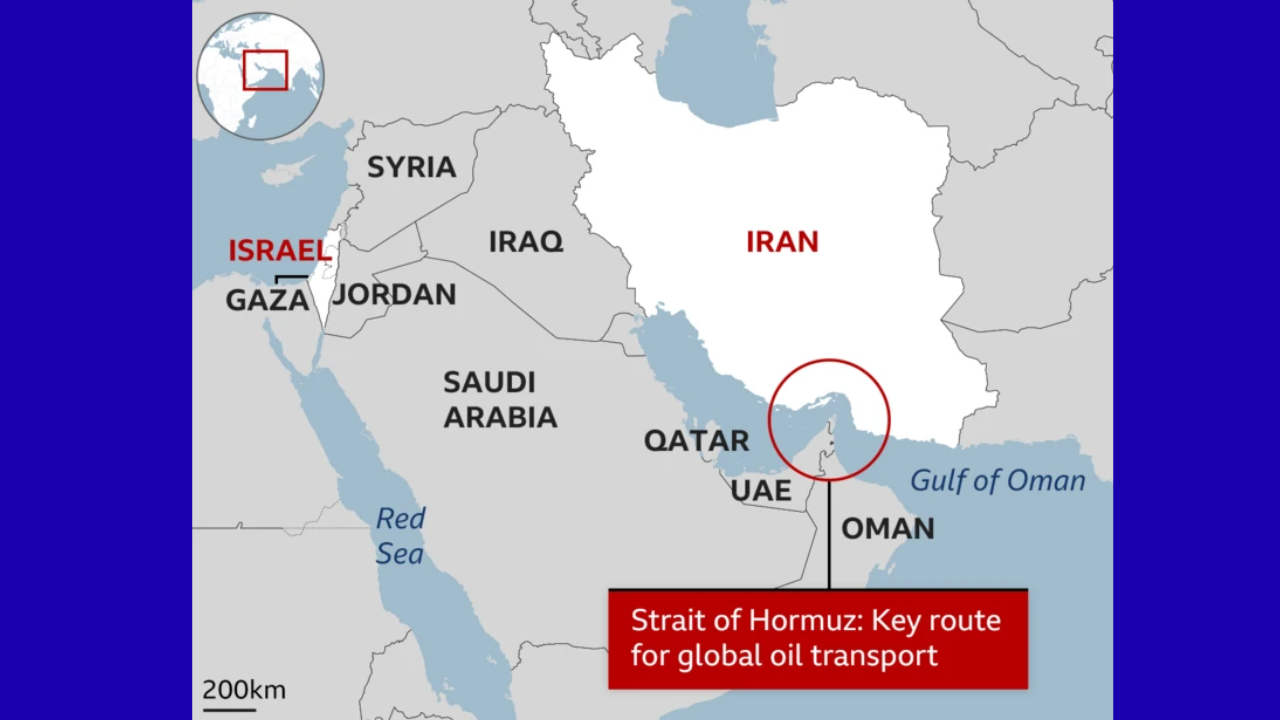
In 1966, the UK government made the seismic decision to withdraw from military bases in the Far East and Persian Gulf. Along with this came the cancellation of the CVA-01 aircraft carrier.
The Result: The Royal Navy was transformed from a global hegemon into a regional specialist. It became a force designed almost exclusively to hunt Soviet submarines in the North Atlantic, losing its ability to project power independently on a global stage.
5. Modern Attrition: The “Salami-Slicing” Era
In recent decades, the strategy has been to trade quantity for quality. While a modern Type 45 Destroyer is vastly more capable than a dozen older frigates, “mass” still matters in naval warfare.
- The “Batch” Problem: Constant budget cuts mean the Navy often orders fewer ships than needed to maintain a constant global presence.
- Maintenance Gaps: With so few hulls, the fleet is often overworked, leading to accelerated wear and tear—a literal and figurative hole in the Navy’s operational readiness.
Key Turning Points in the Decline
| Strategic Blow | Immediate Impact | Long-term Consequence |
| 1922 Washington Treaty | Scrapped dozens of viable warships. | Ended 300 years of naval hegemony. |
| 1957 White Paper | Cancelled numerous aircraft and ship designs. | Shifted focus to a “Nuclear-only” priority. |
| 1966 CVA-01 Cancellation | Ended the dream of a new generation of heavy carriers. | Forced a retreat from global policing. |
| 2010 SDSR | Scrapped the Harrier jump-jets and HMS Ark Royal. | Left a “carrier gap” that lasted nearly a decade. |
The Verdict: The “holing” of the Royal Navy wasn’t the result of a single defeat at sea. It was a slow-motion scuttling caused by a century of prioritizing domestic budgets and nuclear theory over the conventional sea power that once defined Britain’s place in the world.