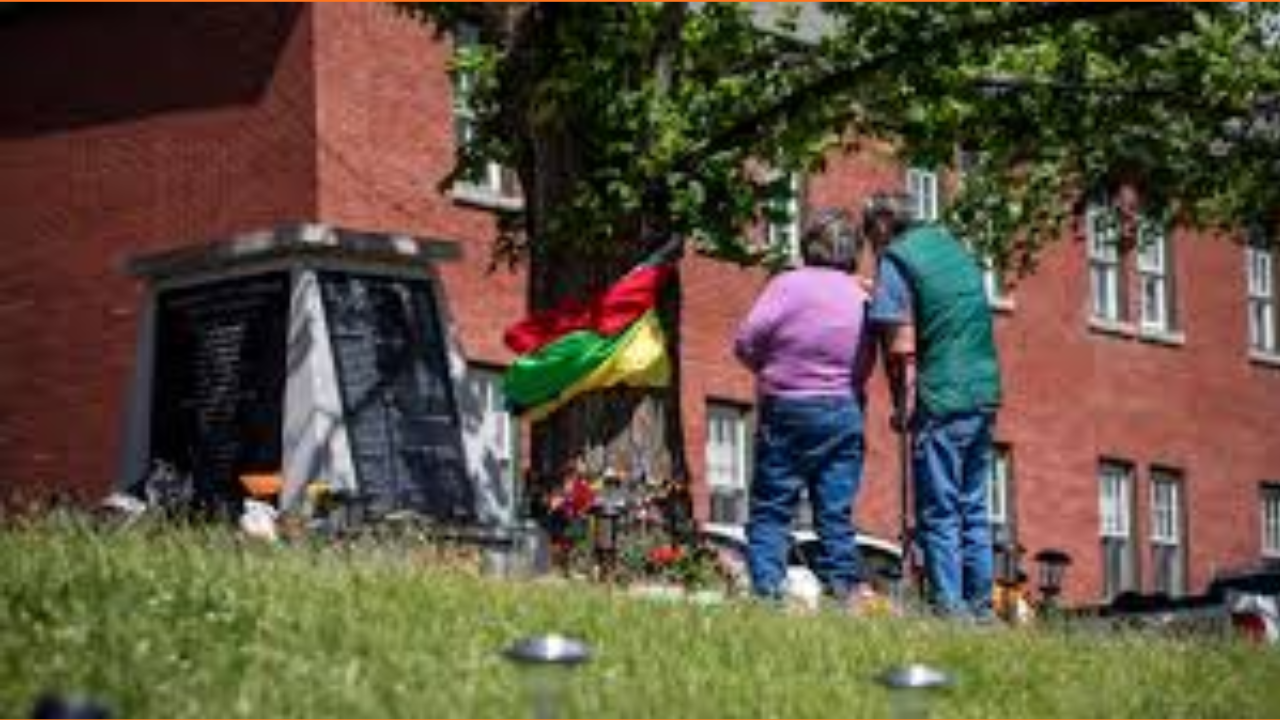
The Tk’emlúps te Secwépemc First Nation has acknowledged a difficult reality: reaching a “full consensus” on how to handle potential unmarked burial sites may be impossible. As the investigation moves into more technical phases, the community is balancing the need for answers with deeply held spiritual and cultural beliefs.
Thank you for reading this post, don't forget to subscribe!Latest Developments
- Precision Scanning: By combining ground-penetrating radar (GPR), LIDAR, and cadaver dogs, the investigation team has narrowed down “high-probability” zones while ruling out other areas.
- The Multi-Nation Impact: Because the Kamloops school took in children from 38 different First Nations, any decision (such as excavation) requires coordination across dozens of distinct cultures and protocols.
- The Core Debate: The community is currently split between two paths:
- Forensic Investigation: Excavating the sites to identify remains through DNA and repatriate them to their home communities.
- Sacred Preservation: Leaving the sites undisturbed to honor the spirits of the children, focusing instead on permanent memorialization.
Why Consensus is Elusive
Summary Table: The Path Forward
| Option | Primary Goal | Main Challenge |
| Excavation | Forensic identification & repatriation. | Massive legal, technical, and emotional complexity. |
| Memorialization | Creating a sacred space for reflection. | Leaves questions of identity and exact numbers unanswered. |