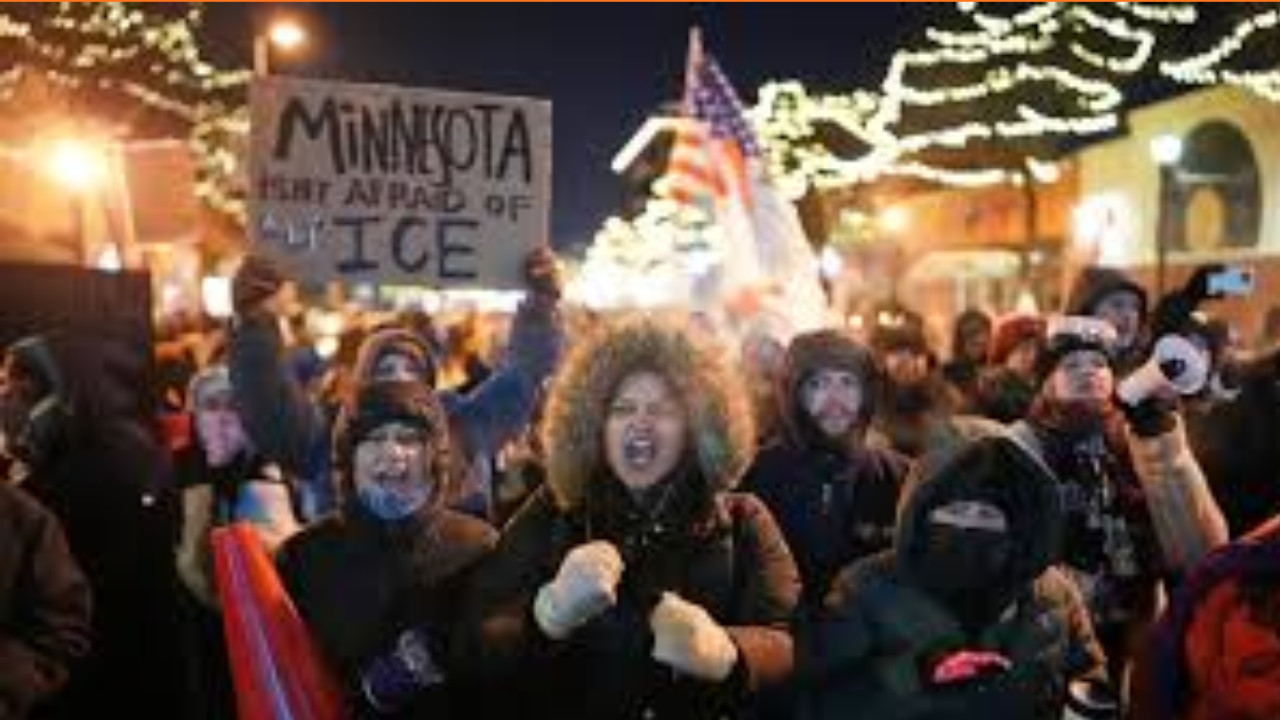
In the wake of Operation Metro Surge, Minneapolis has transformed into a strategic battlefield. As 3,000 federal agents descend on the Twin Cities, a sophisticated, volunteer-run “shadow network” has emerged to stall deportations and protect immigrant communities.
Thank you for reading this post, don't forget to subscribe!1. The Infrastructure of Resistance
- Real-Time Surveillance: Utilizing encrypted platforms like Signal, volunteers track unmarked federal convoys. Once a sighting is confirmed, “neighborhood alerts” go out in seconds, allowing residents to shelter in place.
- The “Soundtrack” of Disruption: Activists utilize “acoustic resistance”—a barrage of whistles and horns—to trail agents. This serves a dual purpose: it alerts the neighborhood to a federal presence and creates a psychological barrier for agents on the ground.
- The Veteran Guard: Military veterans have joined the front lines to film arrests and document interactions, serving as “Constitution Observers” to ensure civil liberties aren’t trampled in the chaos.
2. A Humanitarian Fortress
The network goes beyond mere surveillance; it sustains the families who have been forced into the shadows.
- Mobile Sanctuaries: Organizations like Defend the 612 coordinate school watches, ensuring children are safe during their commute.
- The Supply Chain: Groups like the Sanctuary Supply Depot run “invisible” delivery routes, bringing groceries and medicine to families too terrified to leave their front doors.
- Sacred Ground: Churches like Dios Habla Hoy have become the physical spine of the movement, housing out-of-state clergy who have arrived to learn resistance tactics and provide physical sanctuary to those at risk.
3. The Price of Conflict
The tension is no longer theoretical. Following the tragic deaths of Renee Good and Alex Pretti during federal raids, the city is on a knife-edge. While the government calls these networks “criminal obstructionists,” the volunteers see themselves as the last line of defense for their neighbors. Even with the recent removal of key federal leadership, the network remains active, viewing any federal retreat as a temporary lull rather than a permanent peace.