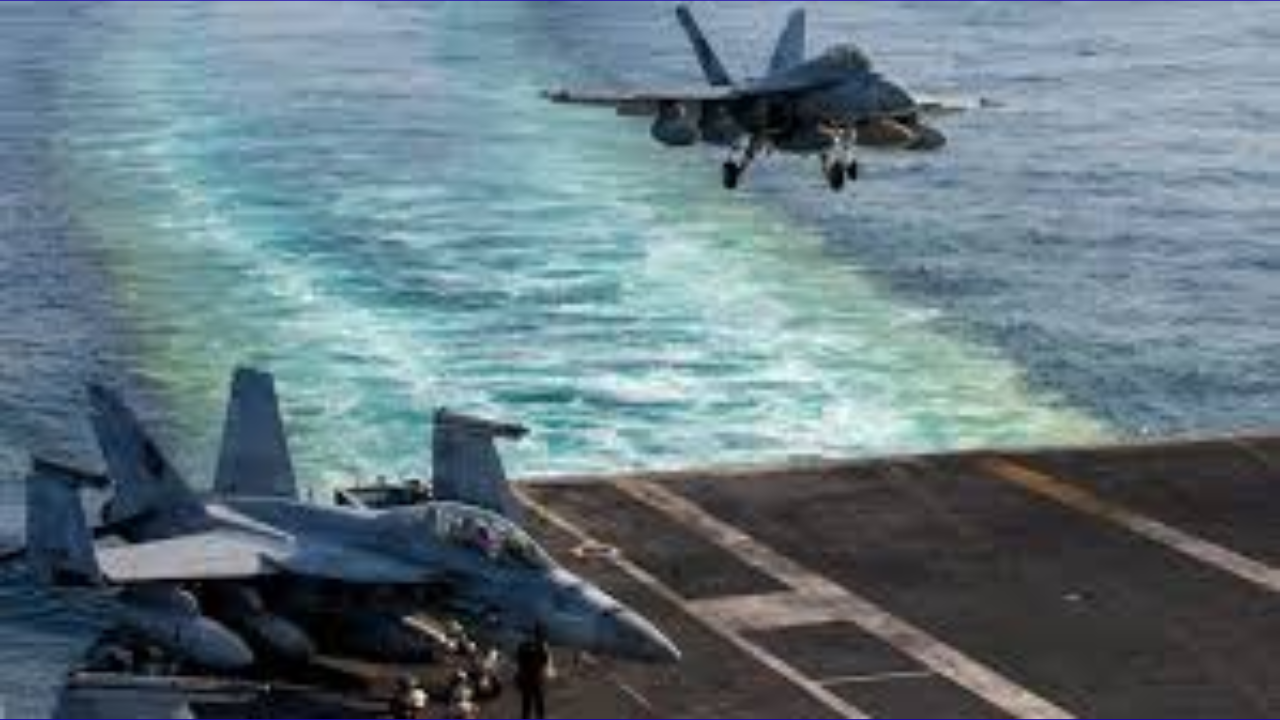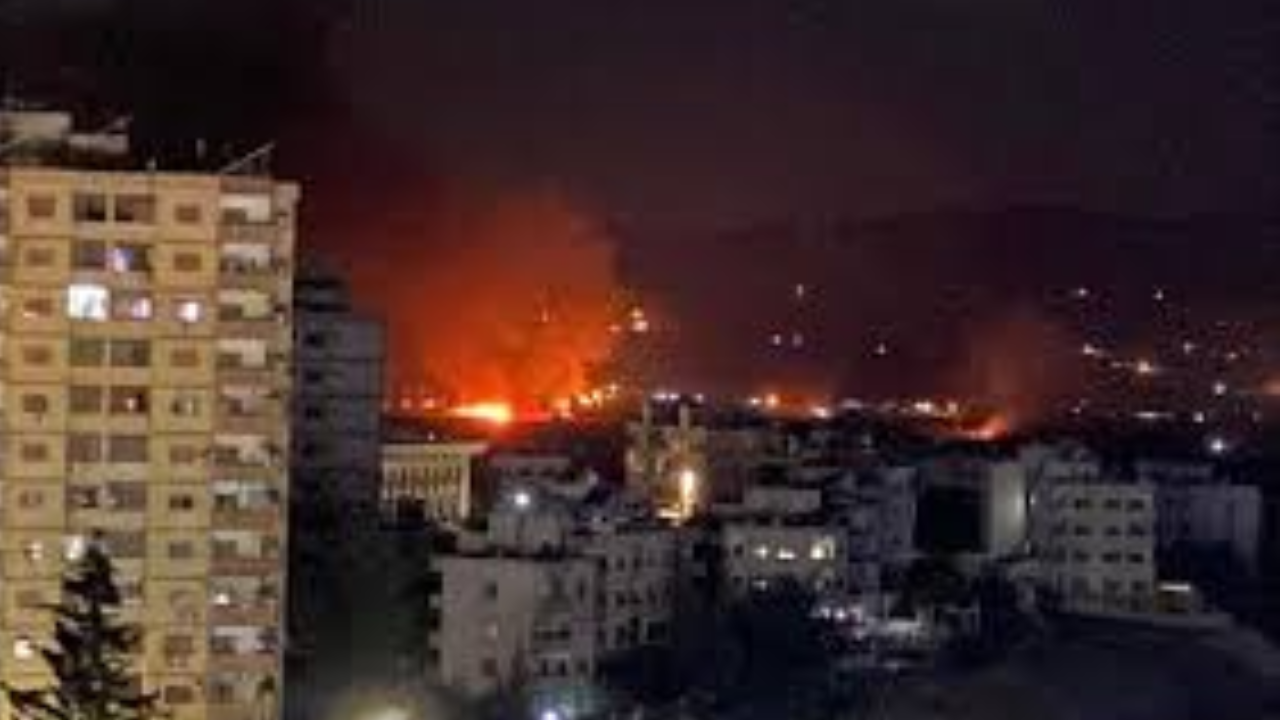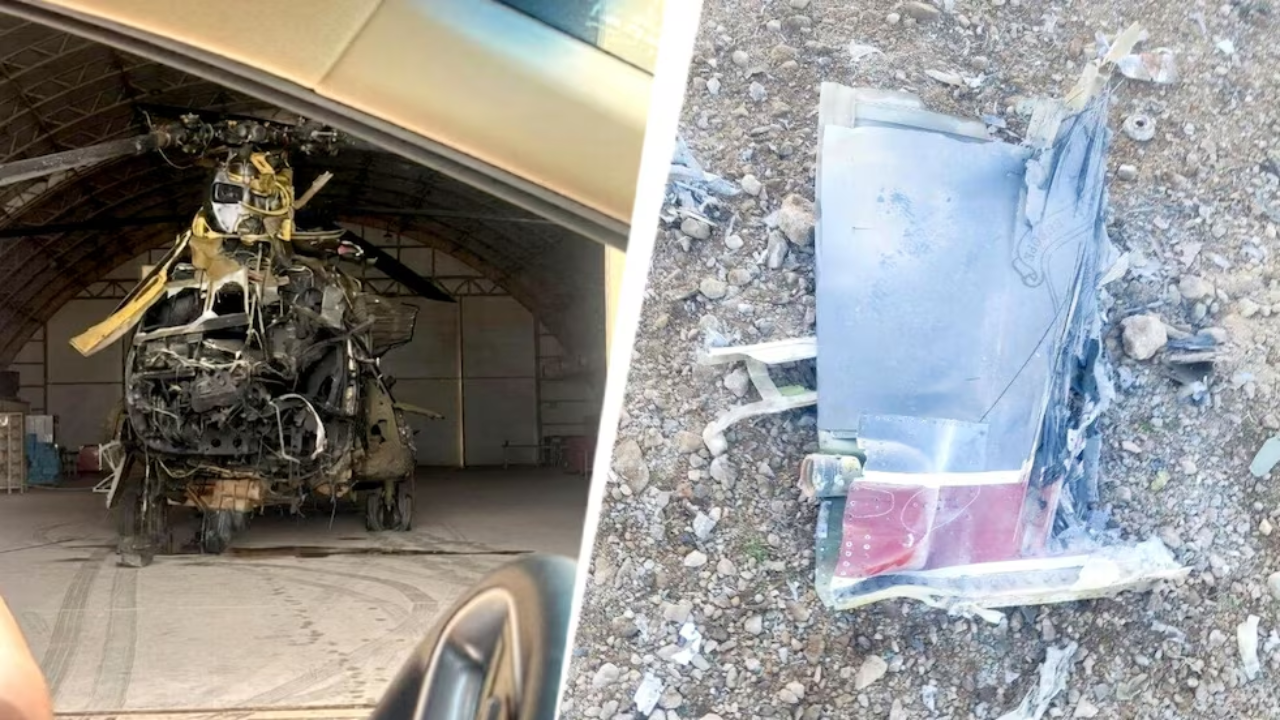
The recent downing of U.S. aircraft over Iran in April 2026 has challenged the narrative of “total air dominance.” Despite a massive initial campaign to dismantle Iran’s military infrastructure, the Iranian air defense network has proven surprisingly resilient. This shift isn’t due to superior technology, but rather a strategy centered on mobility, concealment, and tactical patience.
Thank you for reading this post, don't forget to subscribe!The Strategy of Displacement
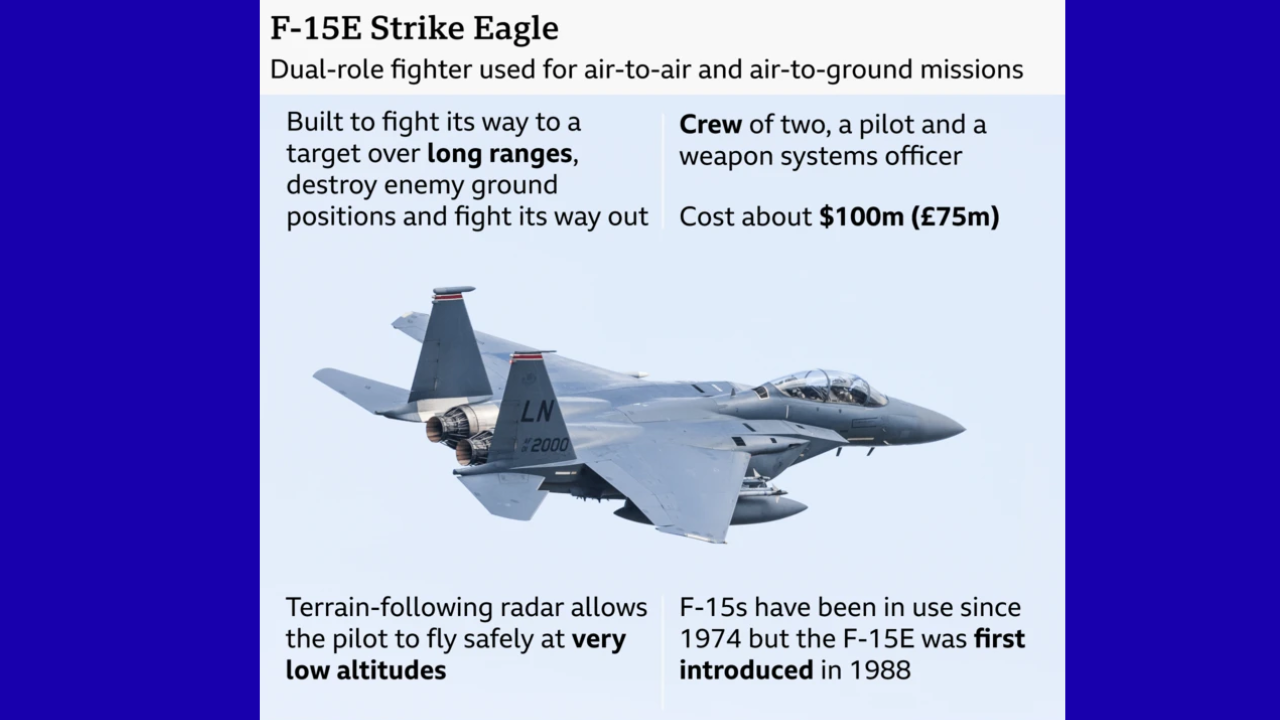
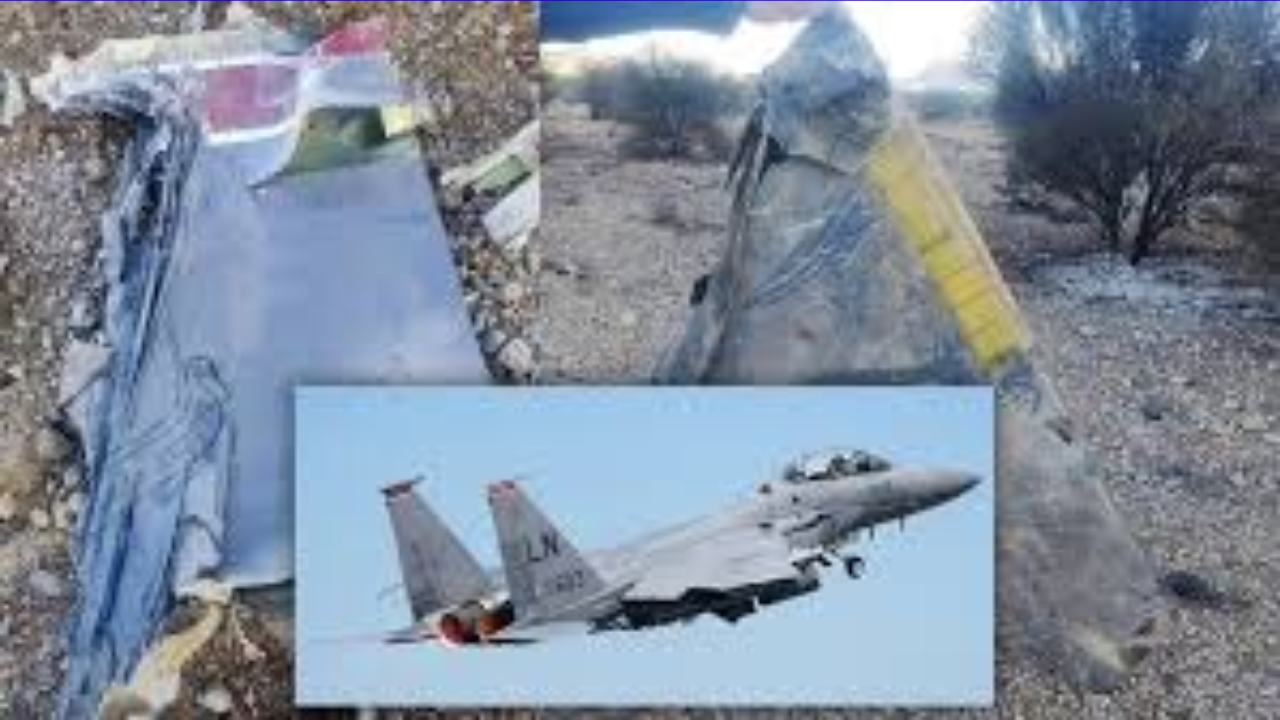
- Mobile Systems: The Third Khordad—the medium-range system credited with downing an F-15E on April 3—is truck-mounted. These units utilize “shoot and scoot” tactics, emerging from cover to fire and relocating before U.S. counter-strike teams can triangulate their position.
- Subterranean Fortresses: Iran’s “missile cities”—vast networks of underground tunnels and bunkers—provide a safe haven for these mobile launchers. Even under heavy bombardment, these facilities have allowed Iranian forces to preserve and “dig out” equipment for rapid redeployment.
Exploiting Overconfidence
The recent losses suggest that U.S. operations may have suffered from a premature sense of security.
- Asymmetric Ambushes: Rather than contesting the entire sky, Iran uses passive detection. By keeping radars offline and using visual or heat-seeking sensors, they remain “dark” to U.S. electronic warfare until the moment of engagement.
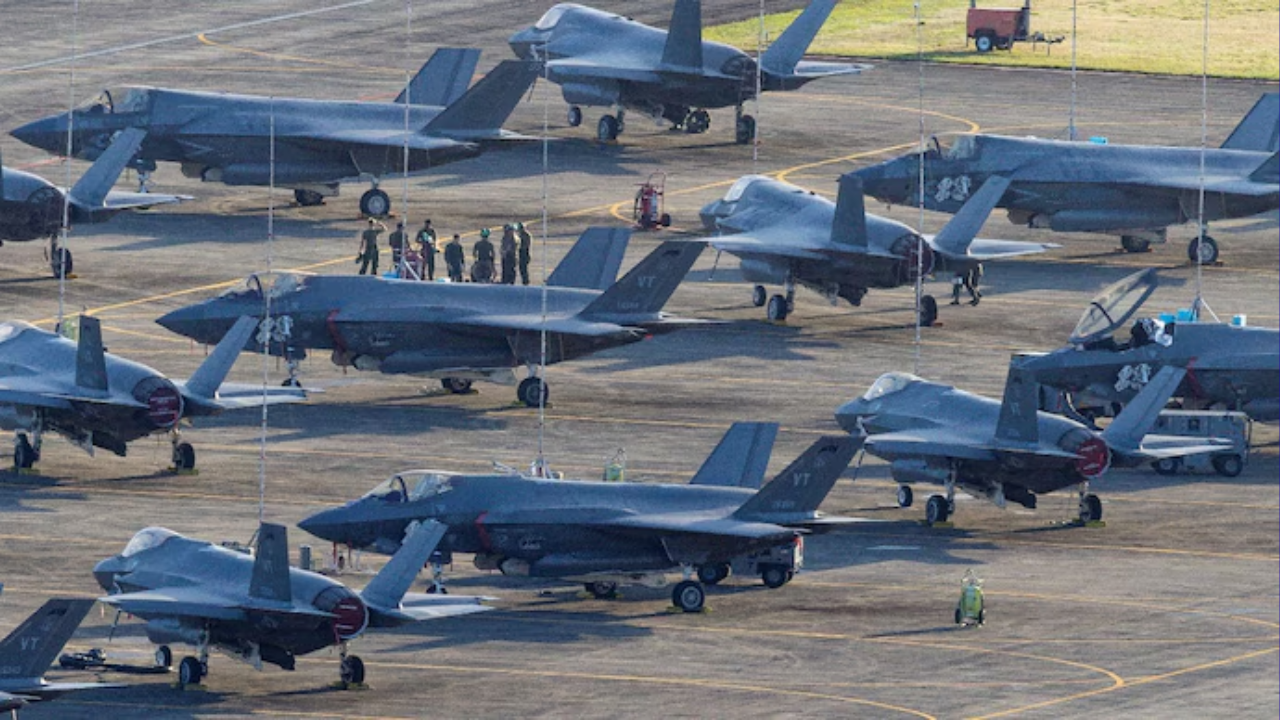
- Target Selection: While stealth platforms like the F-35 are difficult to track, the U.S. has frequently deployed older, non-stealth aircraft like the F-15E and A-10 for patrol and CAS (Close Air Support) missions. Iran has successfully exploited these gaps in stealth coverage.
Recent Combat Losses (April 2026)
| Aircraft | Outcome | Context |
| F-15E Strike Eagle | Destroyed | Downed over SW Iran; search continues for one missing crew member. |
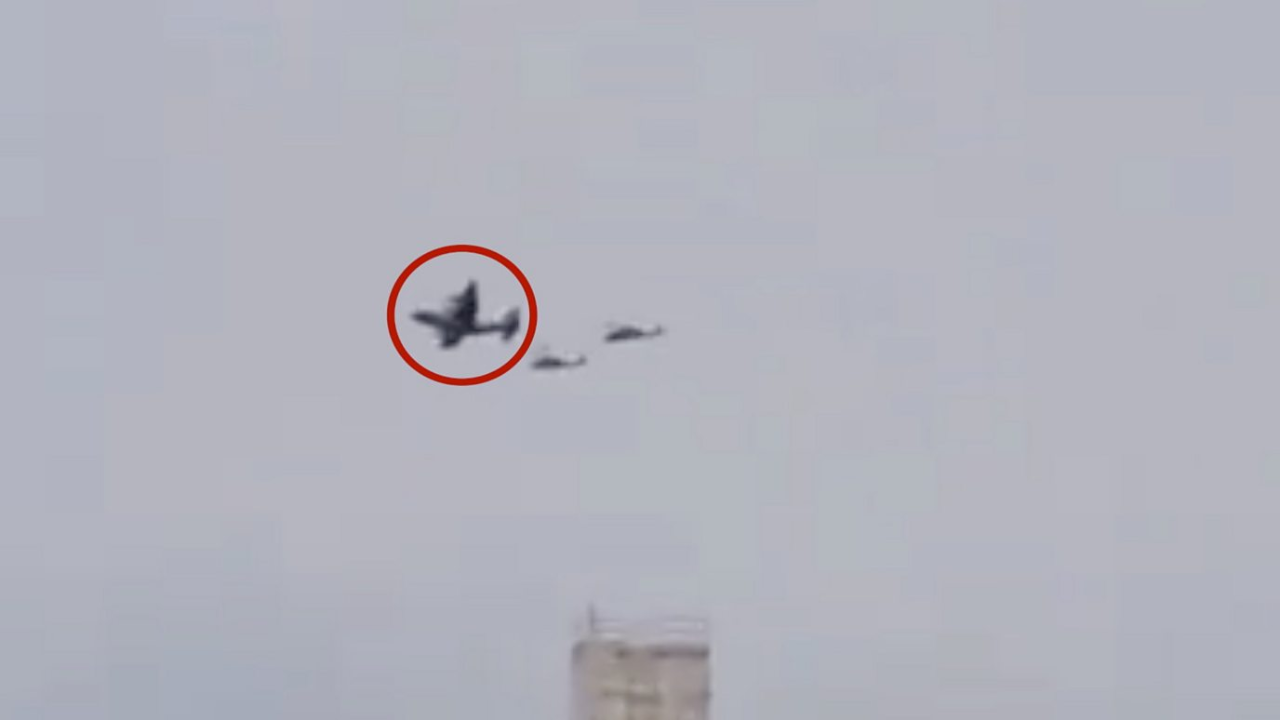
| A-10 Thunderbolt II | Destroyed | Struck by ground fire; the pilot was successfully rescued in Kuwaiti air space. |
| F-15 Series | 3 Lost | Incurred during “friendly fire” incidents involving Kuwaiti personnel in March. |