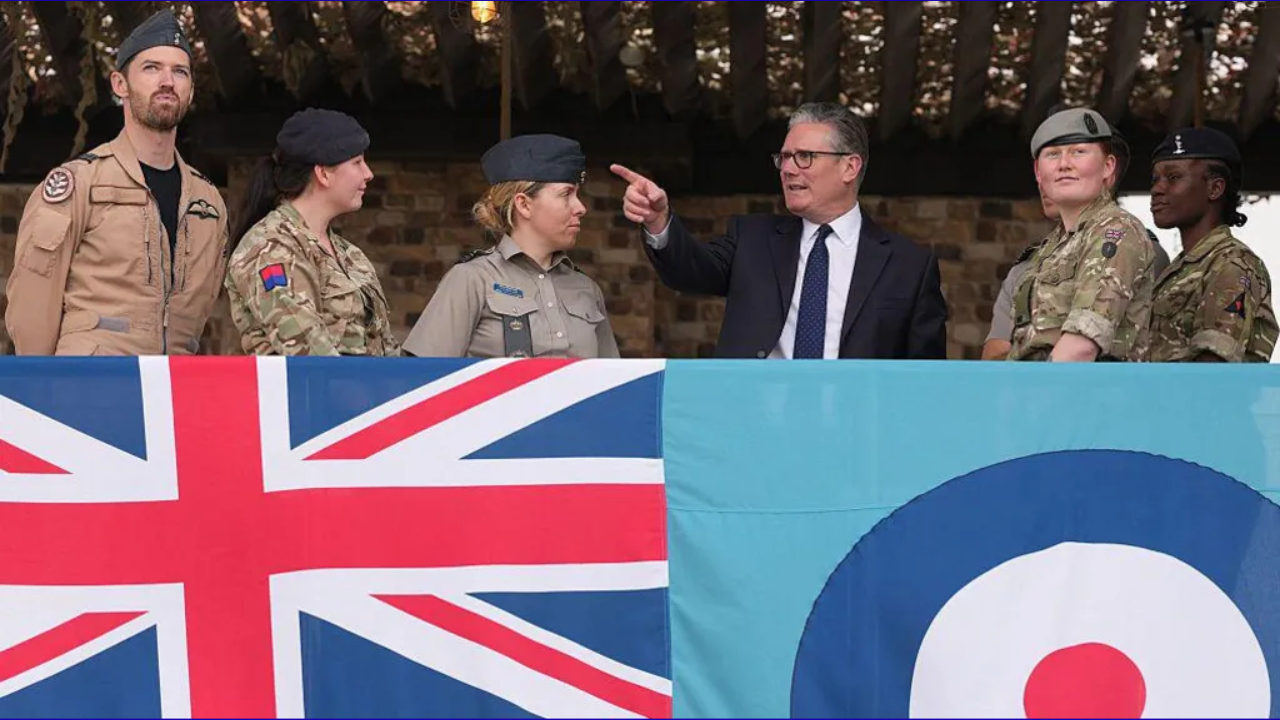
Keir Starmer’s recurring line—“We should not be at the mercy of events abroad”—has evolved into a defining mantra for his government in 2026. It signals a shift from traditional globalization toward a policy of “Securocracy”—the idea that national security and economic security are inseparable.
Thank you for reading this post, don't forget to subscribe!The Three Pillars of the Quote
| Pillar | Focus | Strategic Goal |
| Energy Security | Accelerating GB Energy and offshore wind. | Ending the link between UK household bills and global gas price spikes caused by foreign conflicts. |
| Supply Chain | Diversifying trade away from “autocratic regimes.” | Ensuring that essential minerals and semiconductors aren’t bottlenecked by geopolitical “chokepoints.” |
| Defense & Food | Increasing domestic agricultural yields and defense spending. | Reducing reliance on long-distance imports for basic survival needs during global crises. |
The Current Context (Spring 2026)
— Keir Starmer, April 2026
Points of Contention
Critics have been quick to point out the nuance Starmer often leaves out:
- The Interdependence Reality: Critics argue that the UK, as a service-based economy, can never fully decouple from global events.
- Cost of Living: Skeptics suggest that “insulating” the UK from foreign events via domestic infrastructure projects is a multi-decade project that offers little relief for immediate inflation.