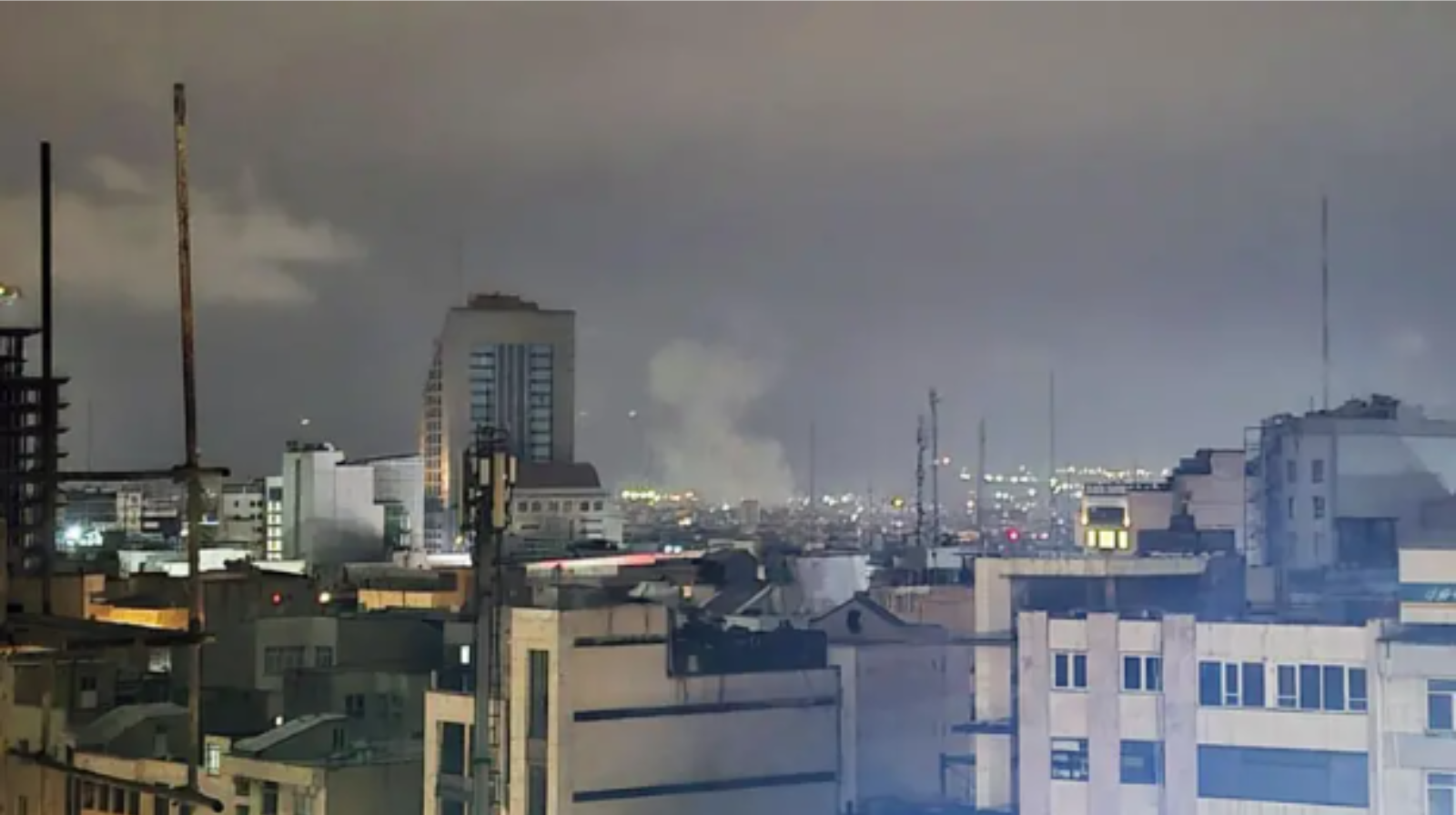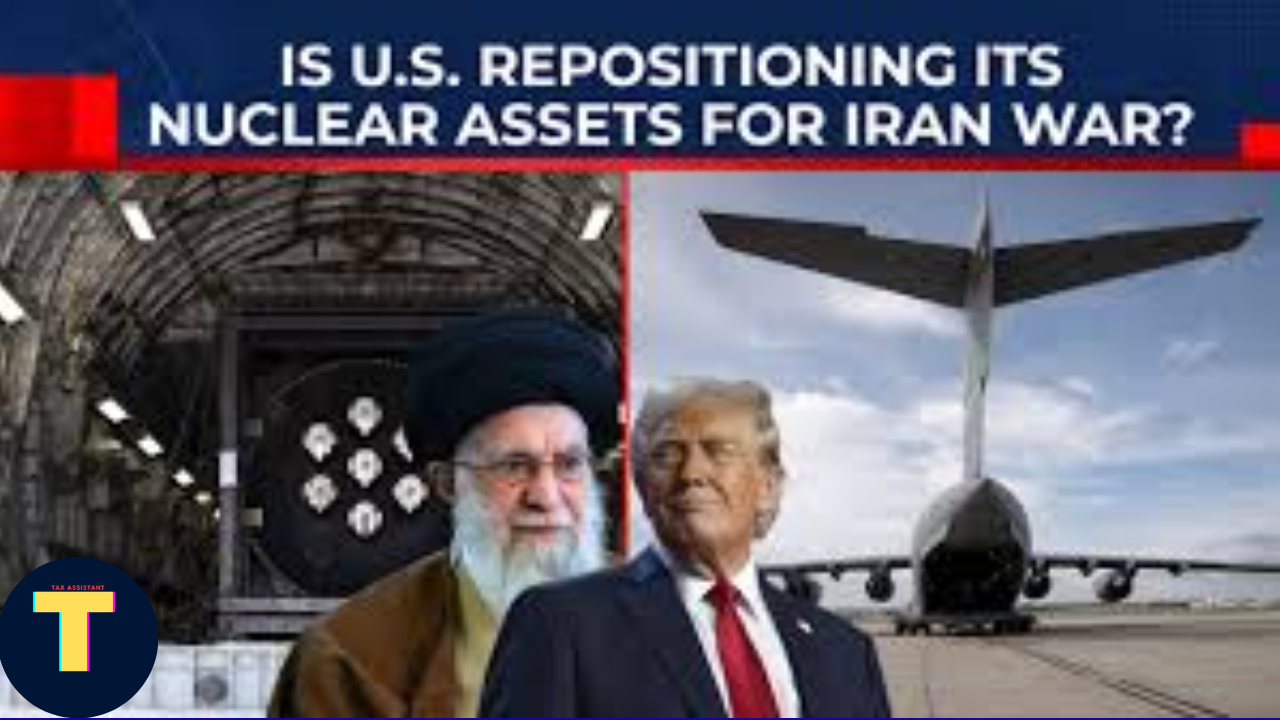
Israel has entered a high-stakes “race to bomb” Iranian infrastructure, fueled by a growing realization that the Trump administration’s window for military intervention might close much sooner than expected.
Thank you for reading this post, don't forget to subscribe!1. The Fear of an Abrupt Ceasefire
2. The 48-Hour Command
Reports indicate that Prime Minister Netanyahu has instructed the IDF to maximize kinetic damage within a narrow 48-to-72-hour window. This surge aims to:
- Permanently Disable: Move beyond “damaging” facilities to “irreversible destruction” of missile production lines in Yazd and Bandar Abbas.
- Target the “Crown Jewels”: Intensify strikes on hardened nuclear sites like Natanz and Fordo before diplomatic pressure makes such strikes politically impossible.
3. The Diplomacy Paradox
- Israel’s View: A pause allows the IRGC to move mobile launchers and hide nuclear materials.
- The U.S. View: The “Maximum Pressure” campaign has achieved its leverage, and it is time to pivot to a “Grand Bargain.”
Summary of Strategic Tension
| Stakeholder | Primary Objective | Current Risk |
| Israel | Total neutralization of the nuclear threat. | Being forced into a “hollow” peace deal by the U.S. |
| United States | A signed “Trump Deal” that ends the regional war. | Getting bogged down in a multi-year “forever war.” |
| Iran | Regime survival and preservation of “breakout” tech. | Losing its remaining industrial base in the next 48 hours. |