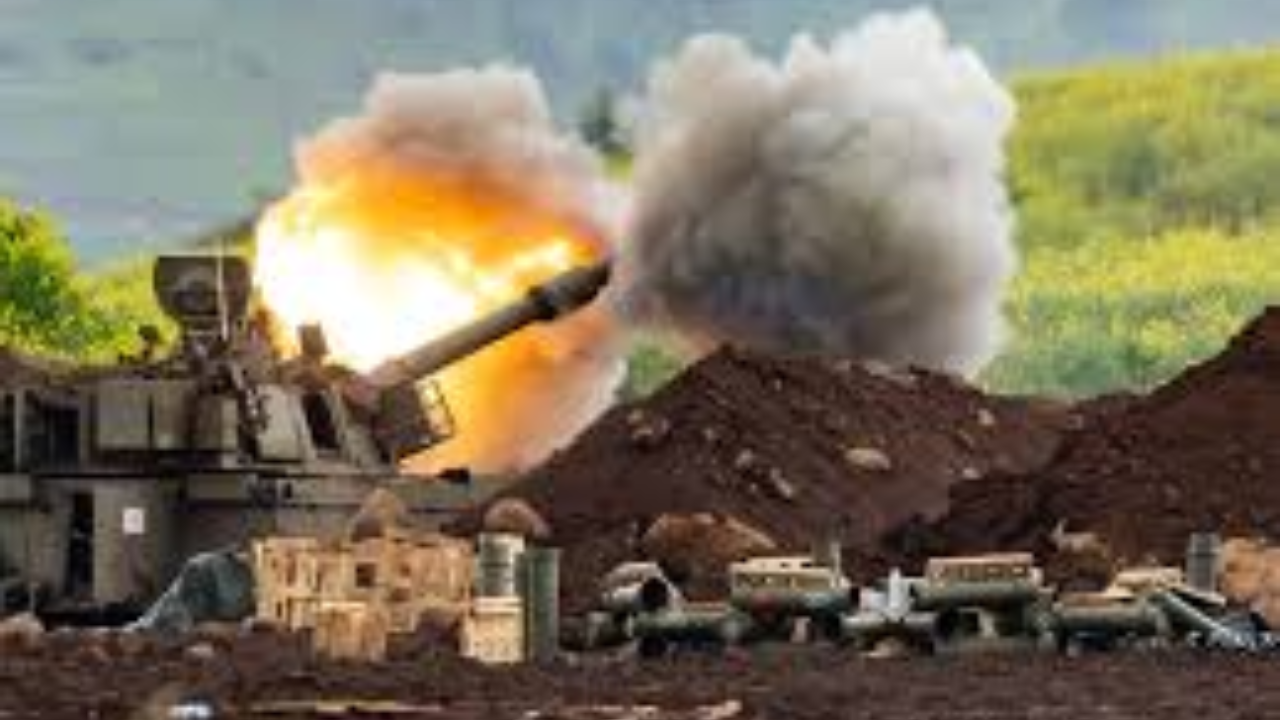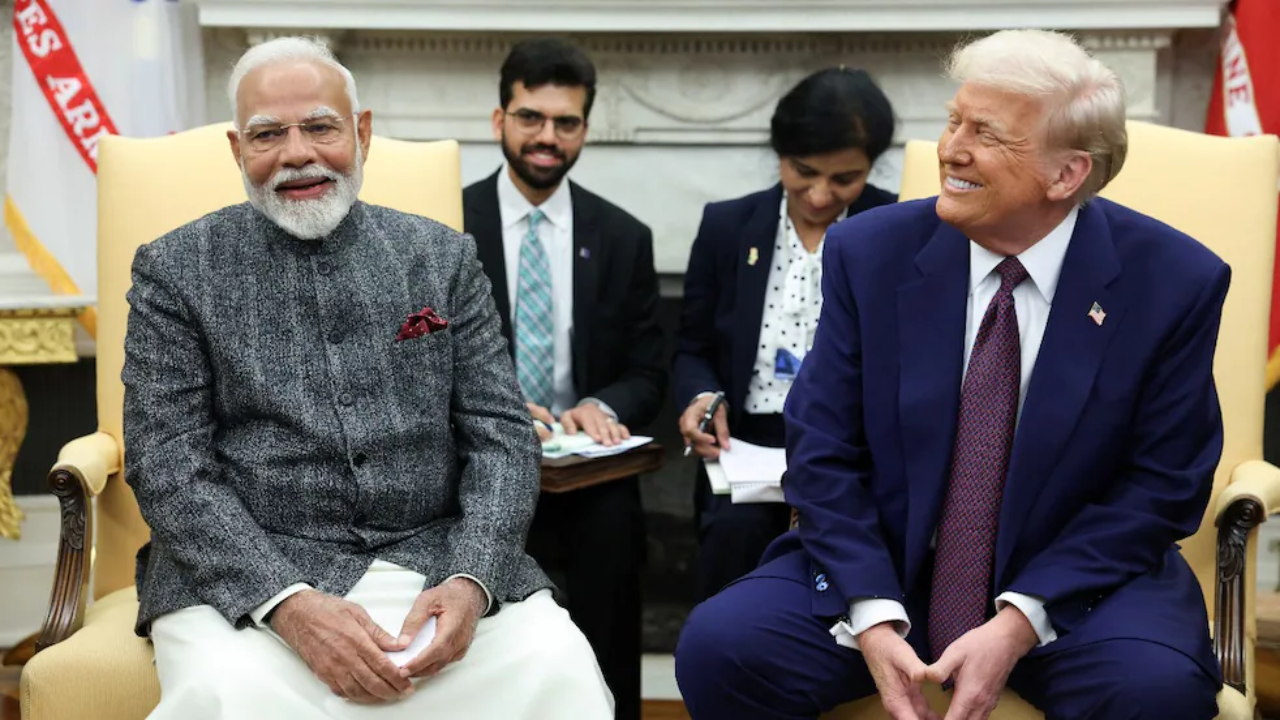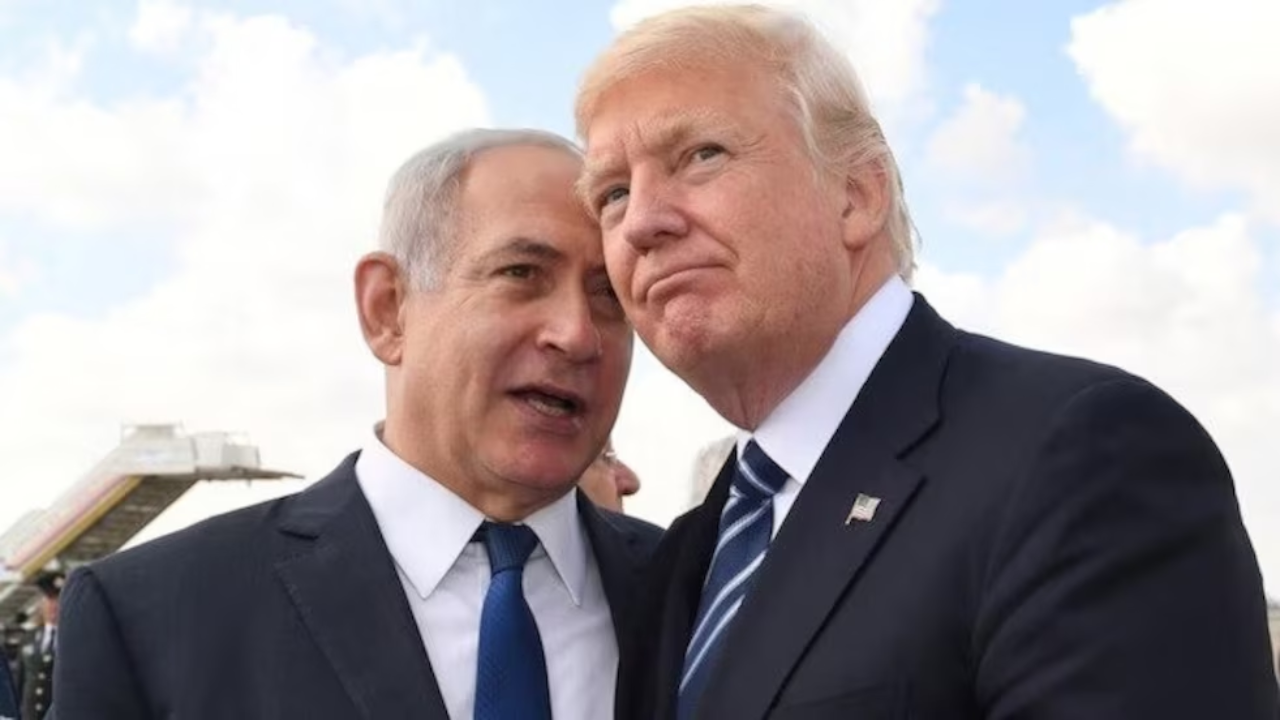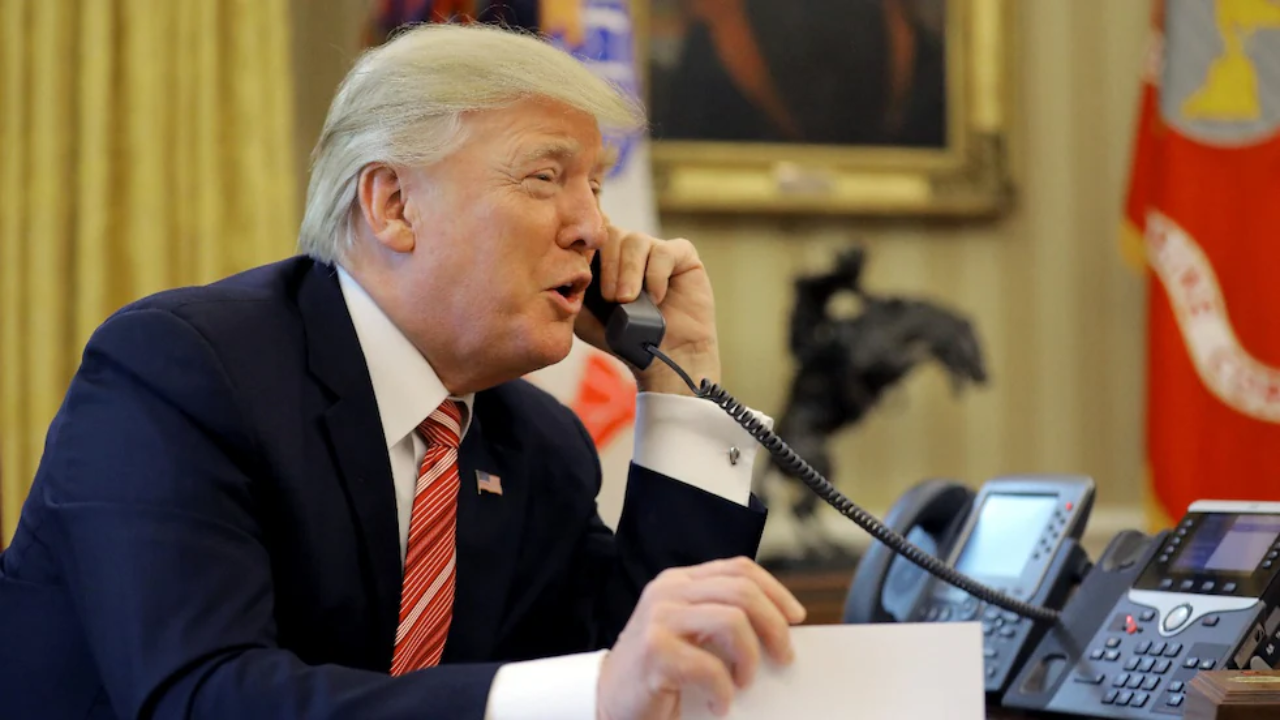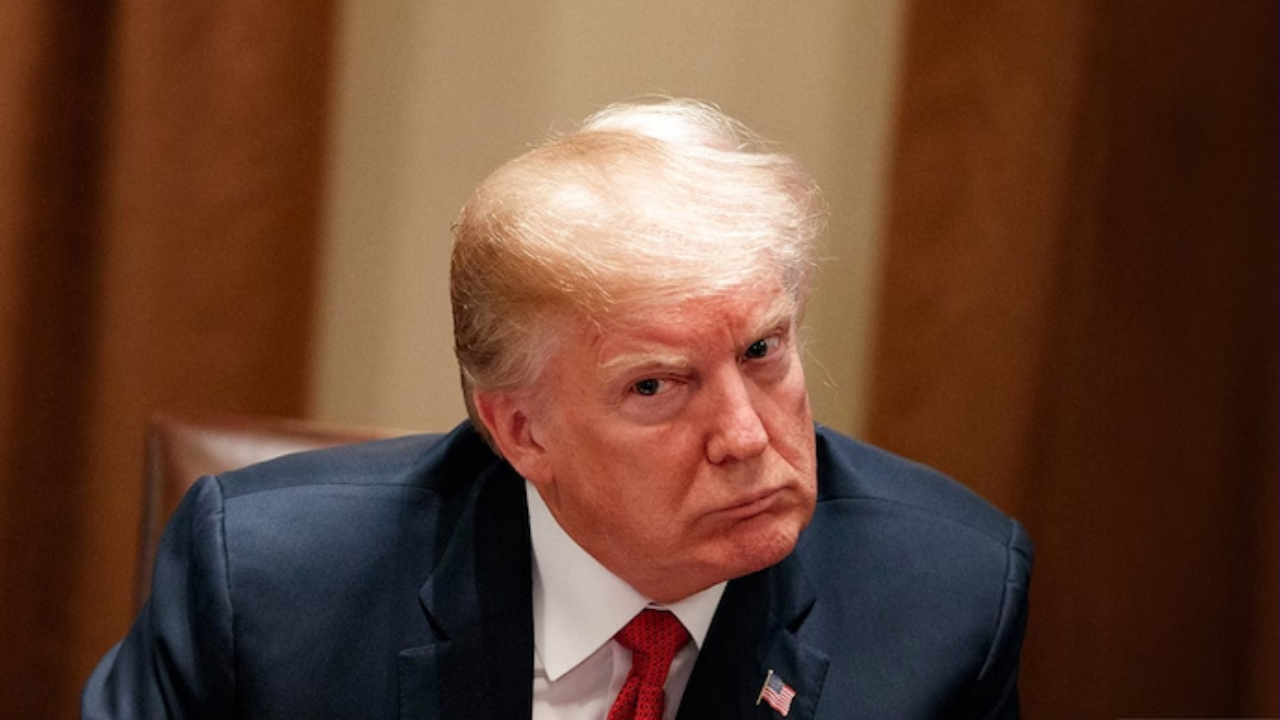
In the high-stakes poker game of 2026, Tehran has traded traditional diplomacy for “ego-trolling”—the practice of baiting President Trump’s public persona to gain leverage. However, this strategy is rapidly shifting from a clever psychological ploy to a recipe for a catastrophic regional war.
Thank you for reading this post, don't forget to subscribe!1. Provocation Over Policy
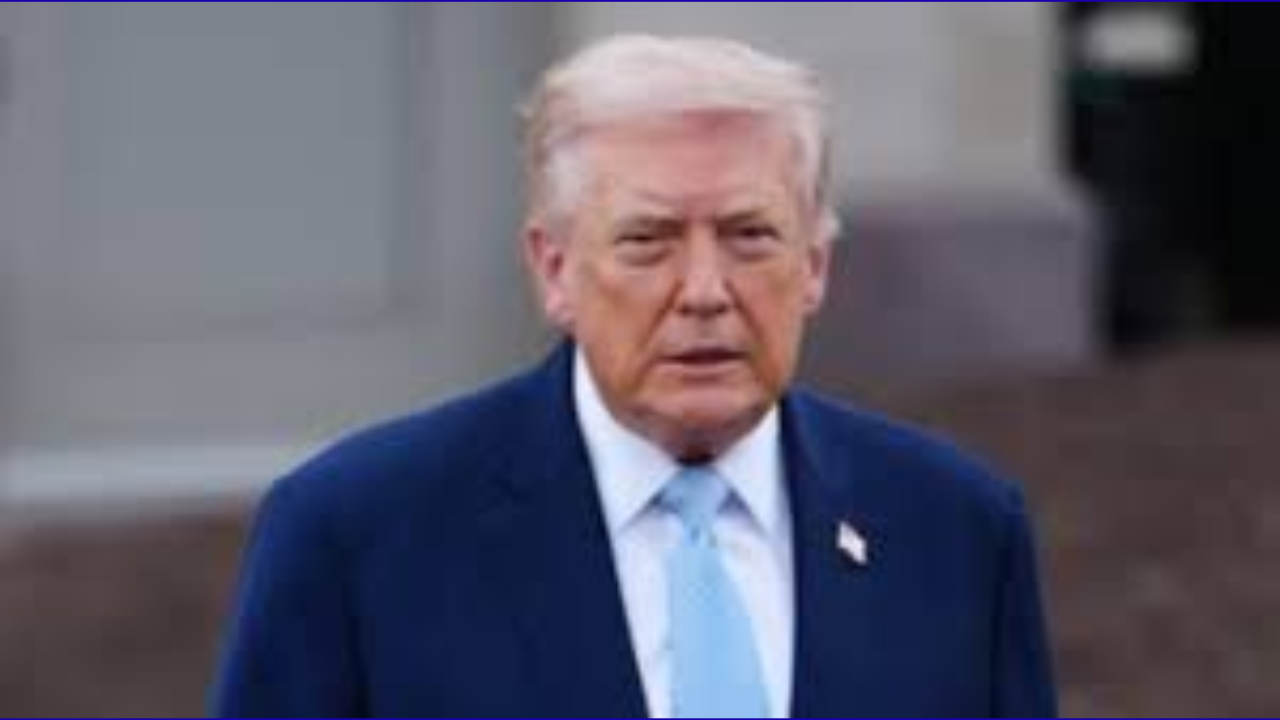
By dismissing Trump’s claims of “secret deals” as “fake news,” Iranian officials aren’t just defending their stance; they are poking a President who views his image as a master negotiator as his primary political asset.
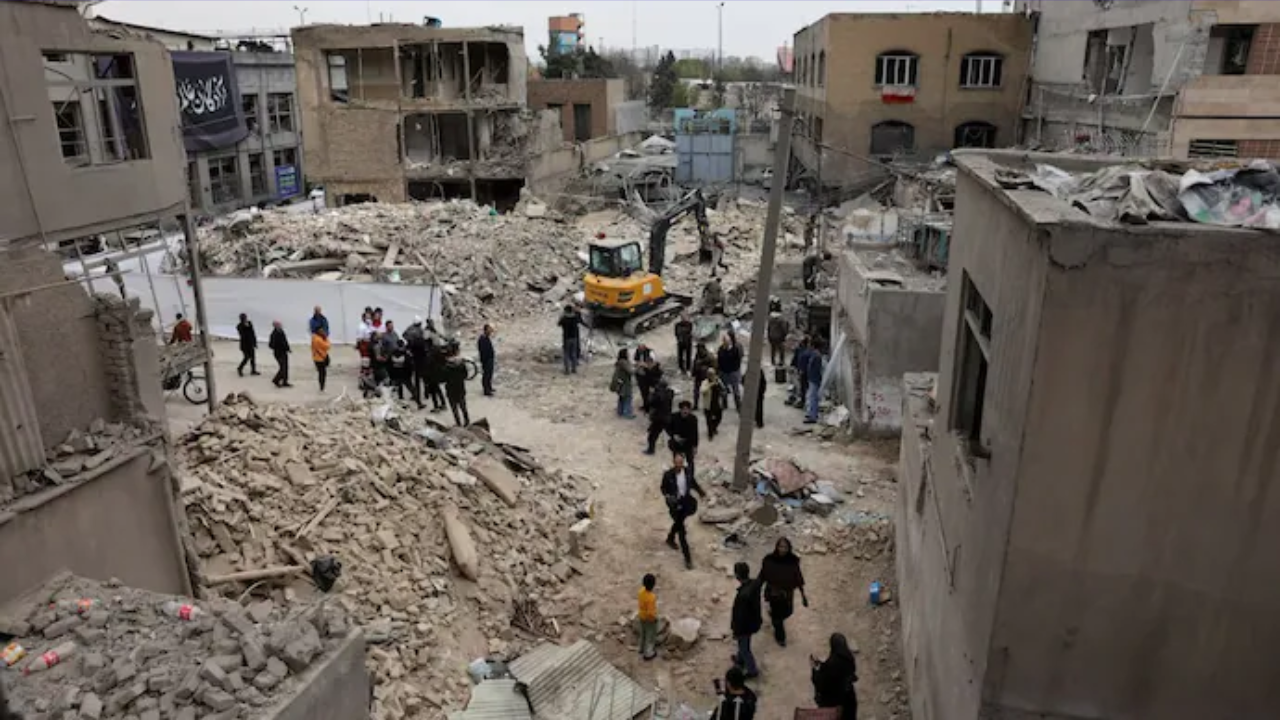
- The Risk: When diplomacy becomes personal, the response becomes kinetic. The June 2025 “Twelve-Day War” proved that when words fail to stroke the ego, missiles are often the next step in the conversation.
2. Market Mayhem and Economic Blowback
The constant “he-said, she-said” regarding negotiations has turned global markets into a rollercoaster.
- The “Volatility Tax”: Every time Tehran mocks a White House statement, oil prices spike and the Iranian rial plunges.
- Domestic Crisis: For Iran, the cost isn’t just external. The economic instability fueled by this rhetoric sparked the massive 2026 internal uprisings, putting the regime in a “survive at all costs” mindset.
3. The “Save-Face” Trap
We are currently seeing a dangerous “ultimatum loop” in the Strait of Hormuz.
- The Standoff: Trump has threatened “obliteration” to protect his strength; Iran has threatened to “darken the West” to prove they can’t be bullied.
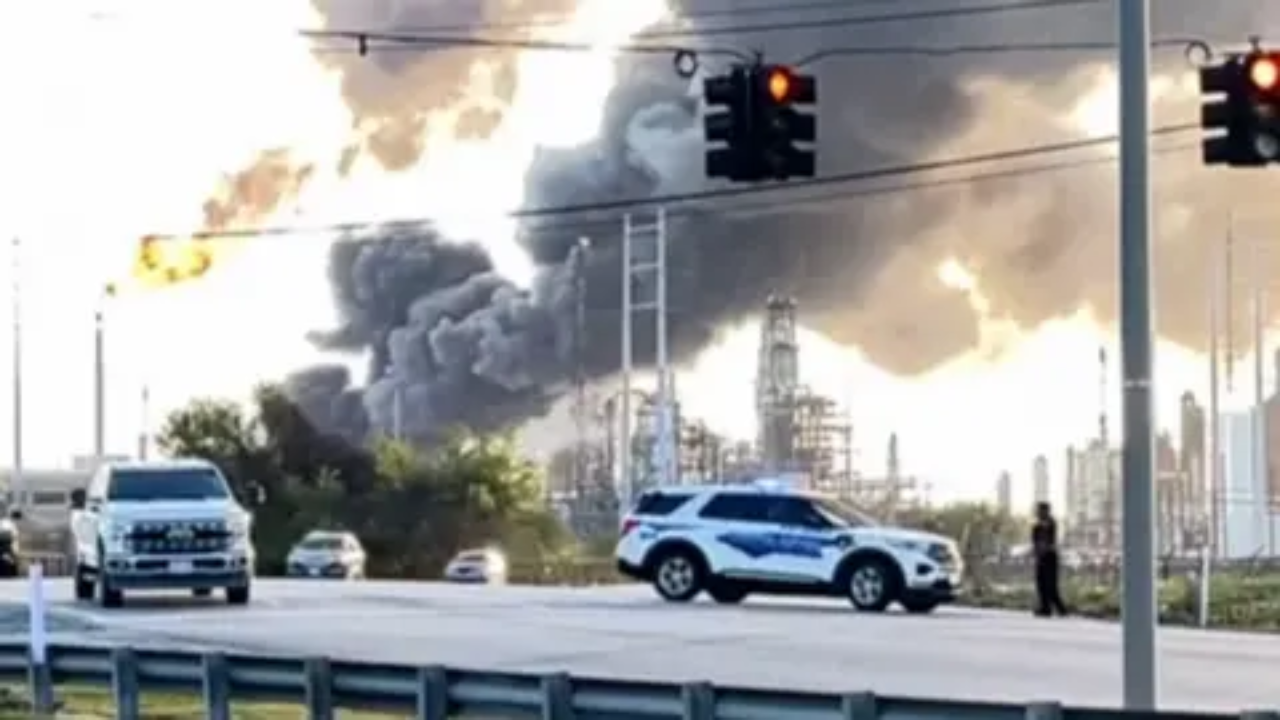
- The Bottom Line: Neither side can back down without appearing “weak” to their domestic base. This “ego-trap” makes a miscalculation in the Strait almost inevitable, potentially choking 20% of the world’s energy supply.
4. From Tweets to Taps (Cyber Sabotage)
Iran’s retaliation for U.S. pressure has moved into the digital shadows. Groups like Handala are no longer just “trolling” on social media; they are targeting U.S. healthcare and water infrastructure. By baiting the U.S. administration, Iran has effectively invited a “no-rules” cyber war that puts civilians in the crosshairs.
The 2026 Reality Check
The Verdict: Trolling an adversary’s ego might feel like a win in the short term, but in 2026, it is proving to be an expensive distraction that could lead to a total regional conflagration.