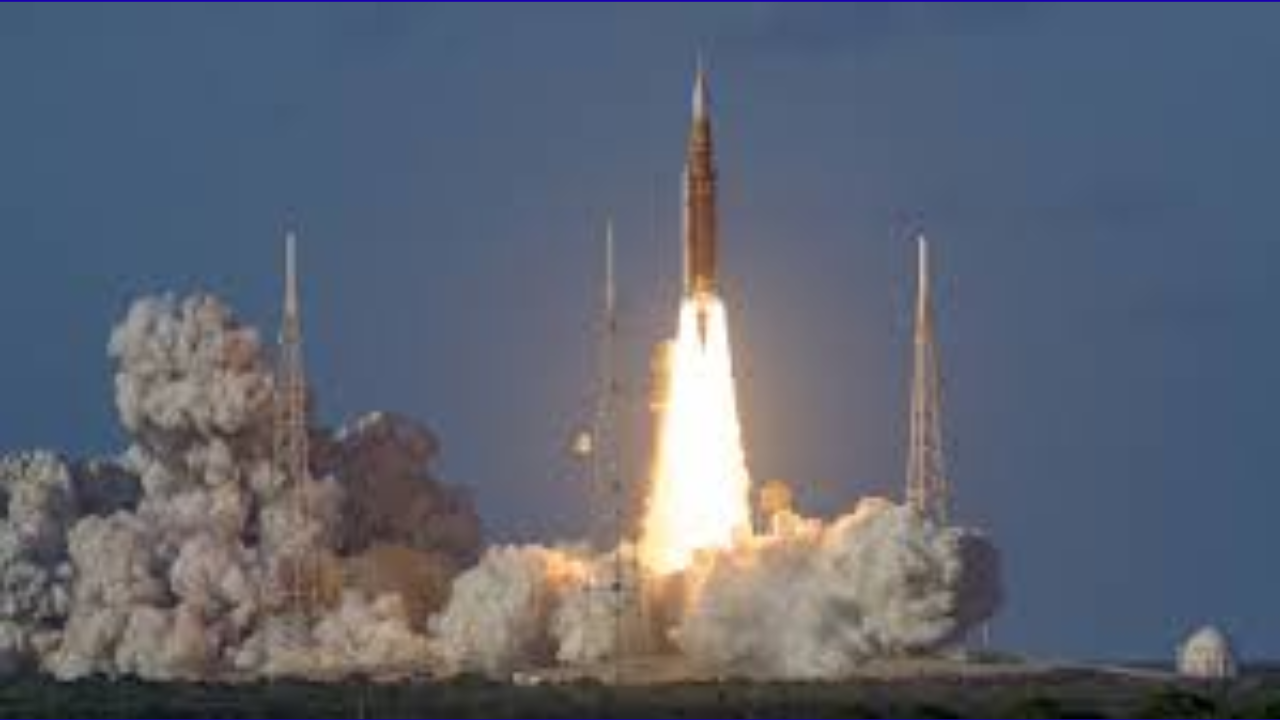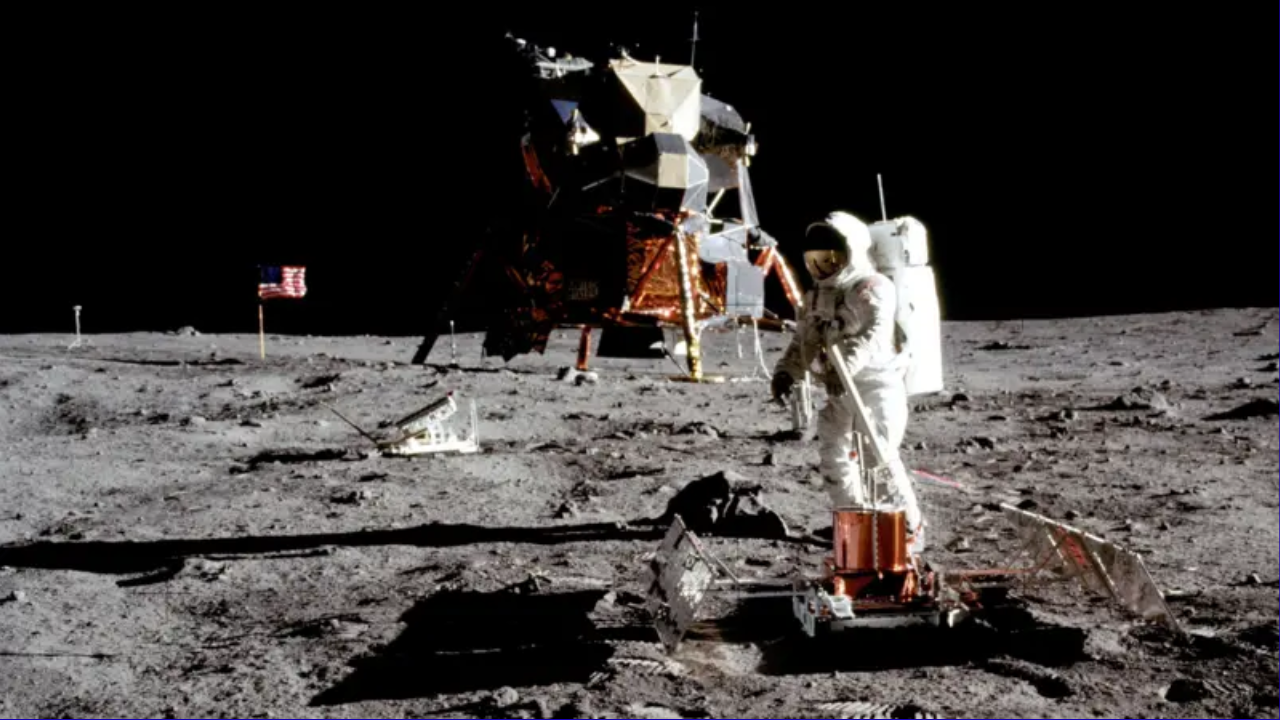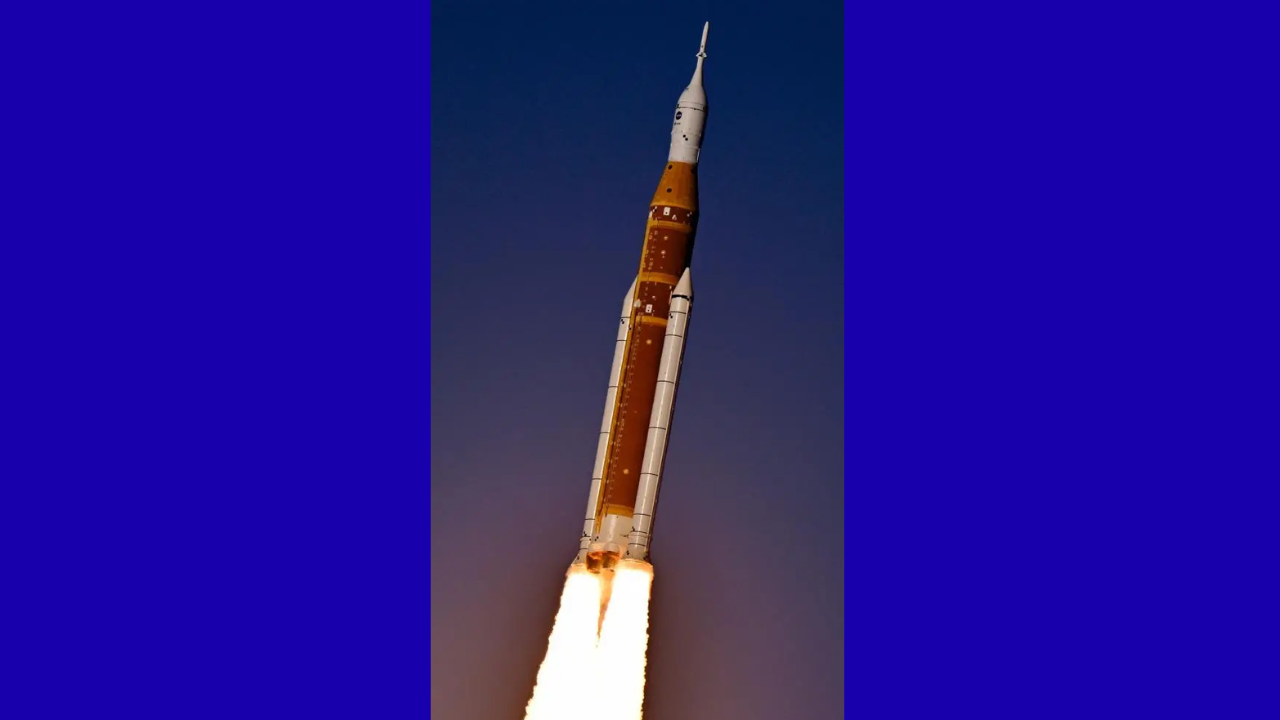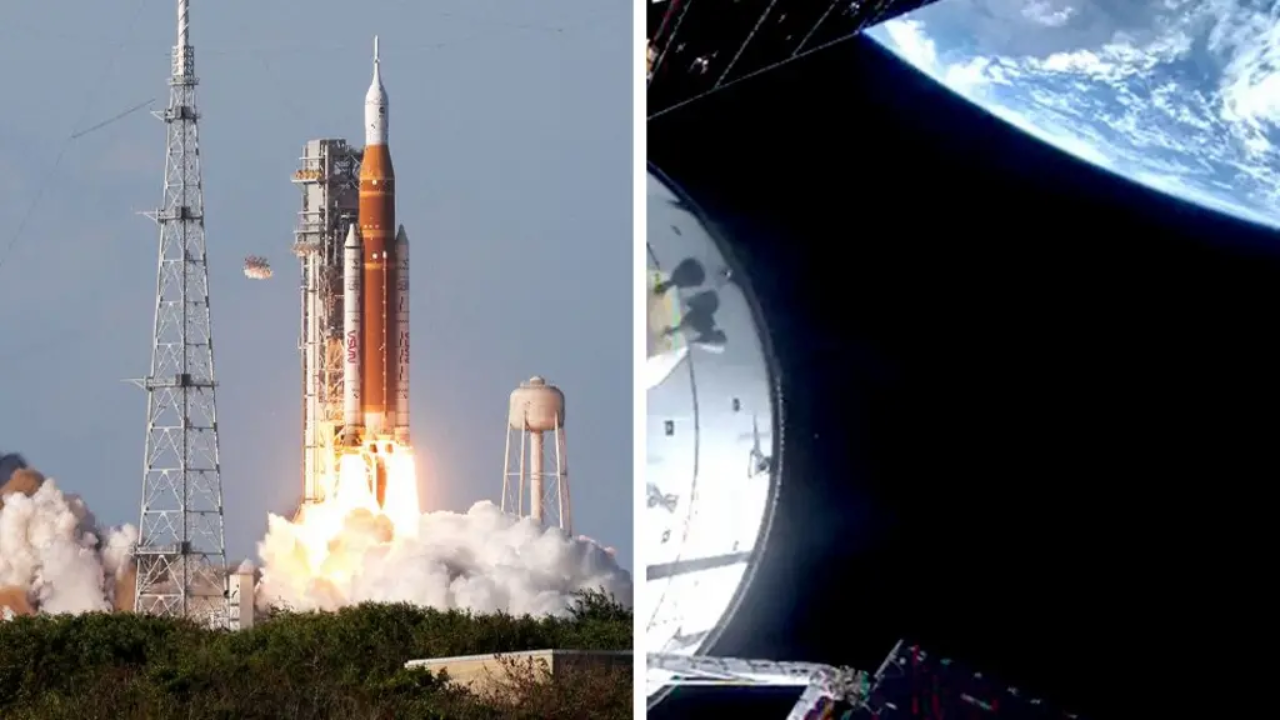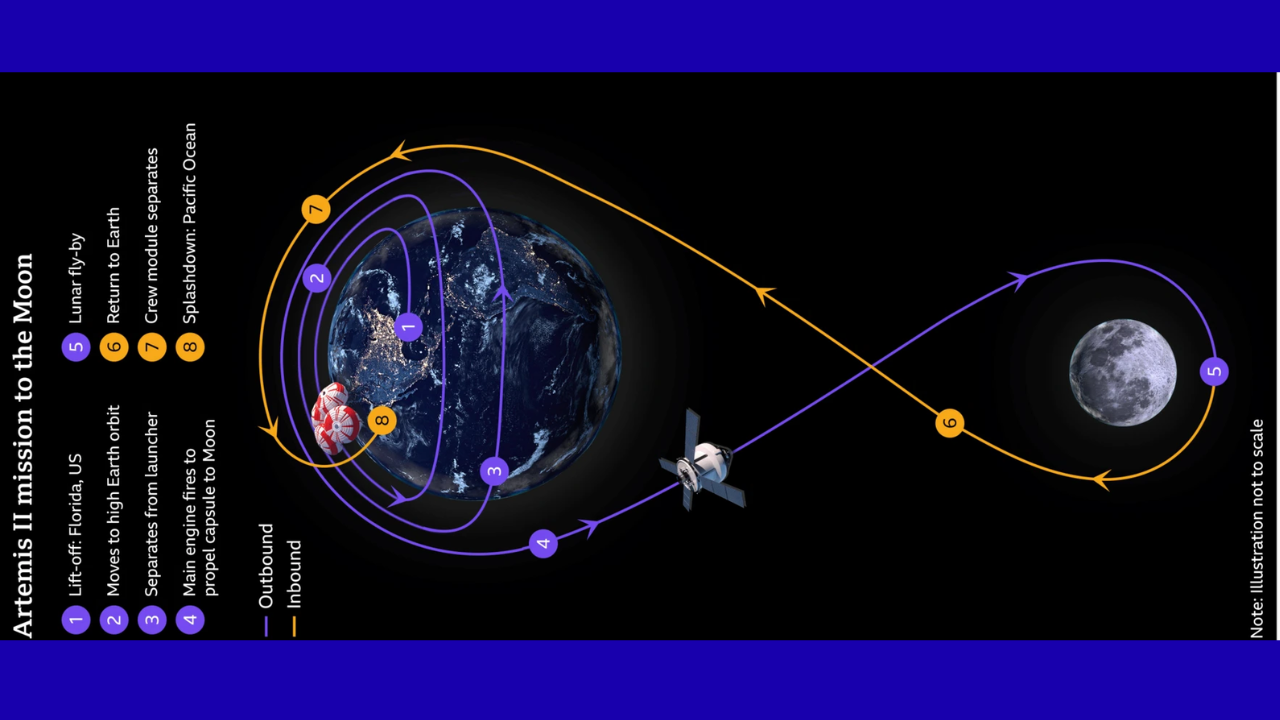
Once the rocket clears the atmosphere and the Orion spacecraft sheds its heavy launchers, the mission enters a tense period of evaluation. Floating in Earth’s orbit, the crew finds themselves at a literal and metaphorical fork in the road.
Thank you for reading this post, don't forget to subscribe!The On-Board Reality
The Safety Net
The Point of No Return: Trans-Lunar Injection
If the crew and Mission Control agree that all systems are “Go,” Orion prepares for its most violent maneuver yet.
- The Burn: The spacecraft fires its main engine, a high-thrust maneuver designed to overcome Earth’s gravitational pull.
- The Trajectory: This isn’t just about speed; it’s about precision. The engine must fire at a specific second to intercept the Moon’s future position.
- Breaking Free: Once the engine shuts down, the crew is no longer “orbiting” Earth in a circle. They are now on a Trans-Lunar Injection path—a long, outward arc that will carry them 240,000 miles away into deep space.