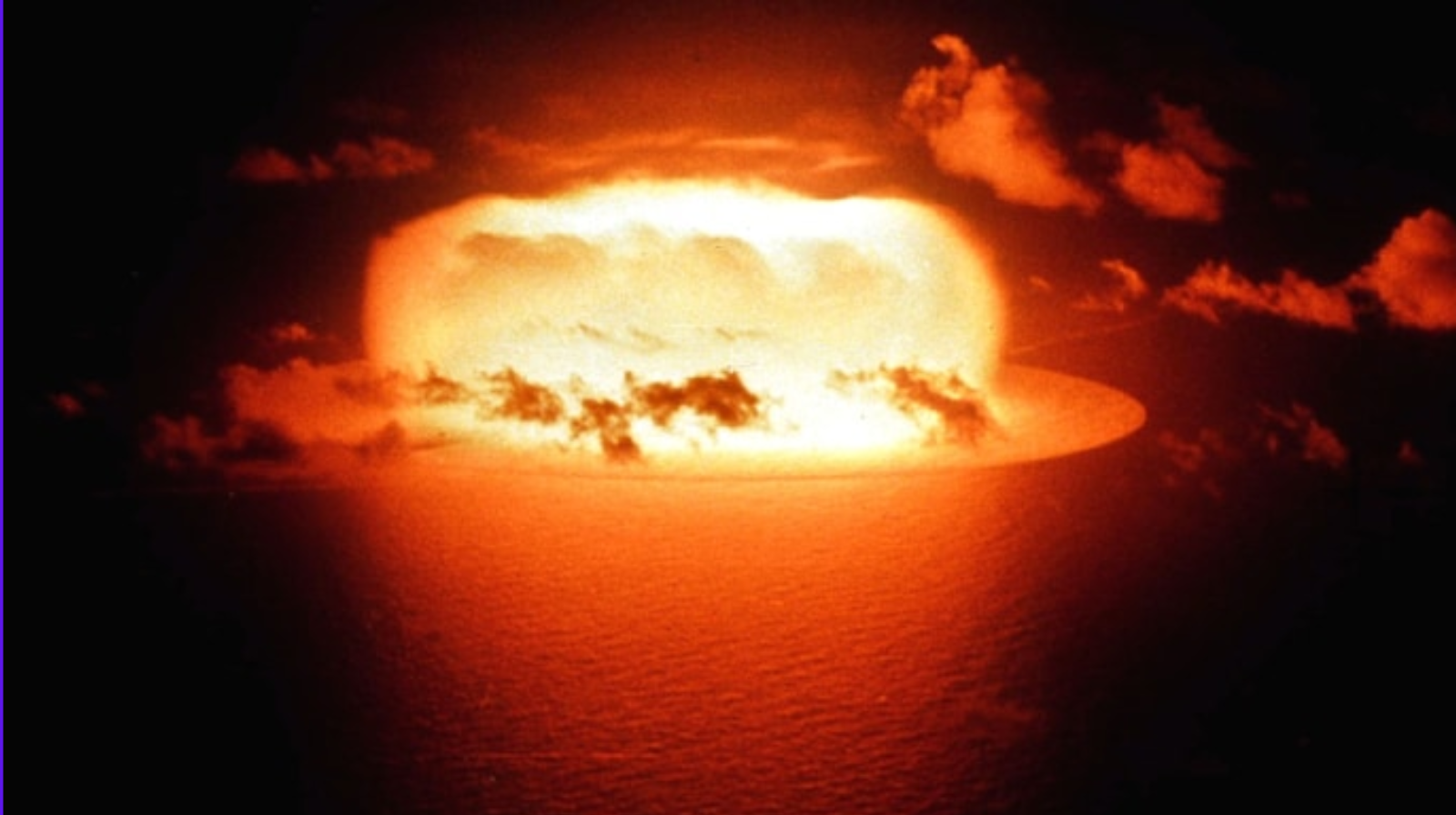
The global security architecture that held the “nuclear genie” in check for half a century hasn’t just cracked—it has shattered. As of March 2026, we are witnessing a fundamental shift from arms control to an unrestricted global arms race.
Thank you for reading this post, don't forget to subscribe!1. The Death of Diplomacy
2. The Proliferation Paradox
In the Middle East, the “mad rush” has reached a boiling point.
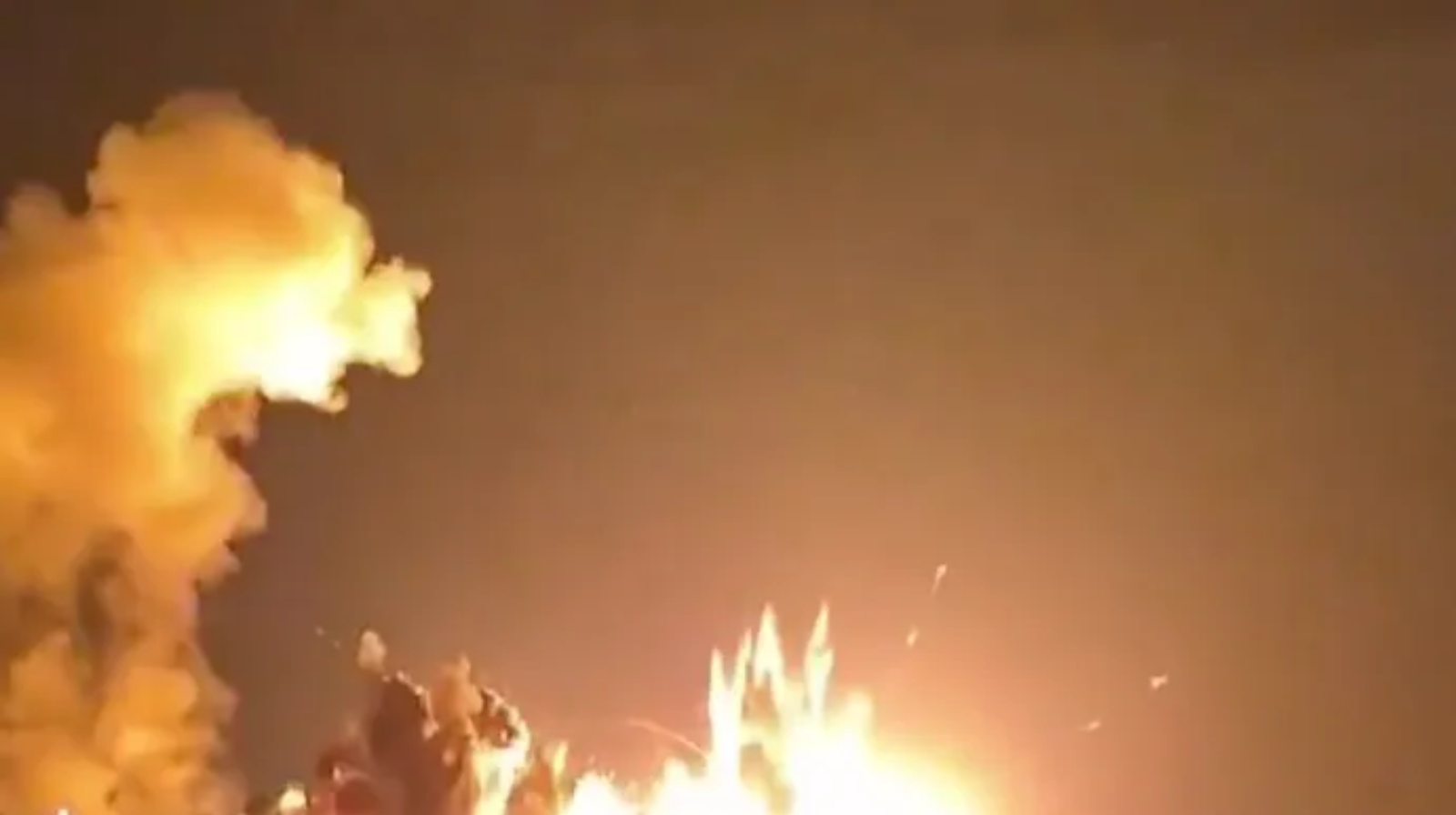
- The Strike: Recent military operations, including Operation Midnight Hammer, were designed to dismantle Iran’s nuclear capabilities.
- The Backlash: History suggests that when a nation’s conventional defenses are bypassed, its leadership often views a nuclear deterrent not as a luxury, but as the only insurance policy against “regime change.”
3. The “Self-Help” Era
The most alarming trend in 2026 isn’t just “rogue states” seeking nukes; it is the Strategic Hedging of traditional allies.
- The Confidence Gap: Countries like South Korea and Japan, once content under the U.S. “nuclear umbrella,” are now openly debating domestic nuclear programs.
- The European Shift: In Poland and Germany, the instability of the Eastern Front has turned nuclear sharing from a fringe talking point into a mainstream security debate.
4. A Growing Arsenal
The numbers confirm the shift. According to the 2026 Nuclear Weapons Ban Monitor, the global stockpile has surged to over 12,187 warheads, with nearly 10,000 ready for immediate use. This isn’t just maintenance; it is an expansion. China, India, and North Korea have all significantly bolstered their active inventories over the last twelve months.