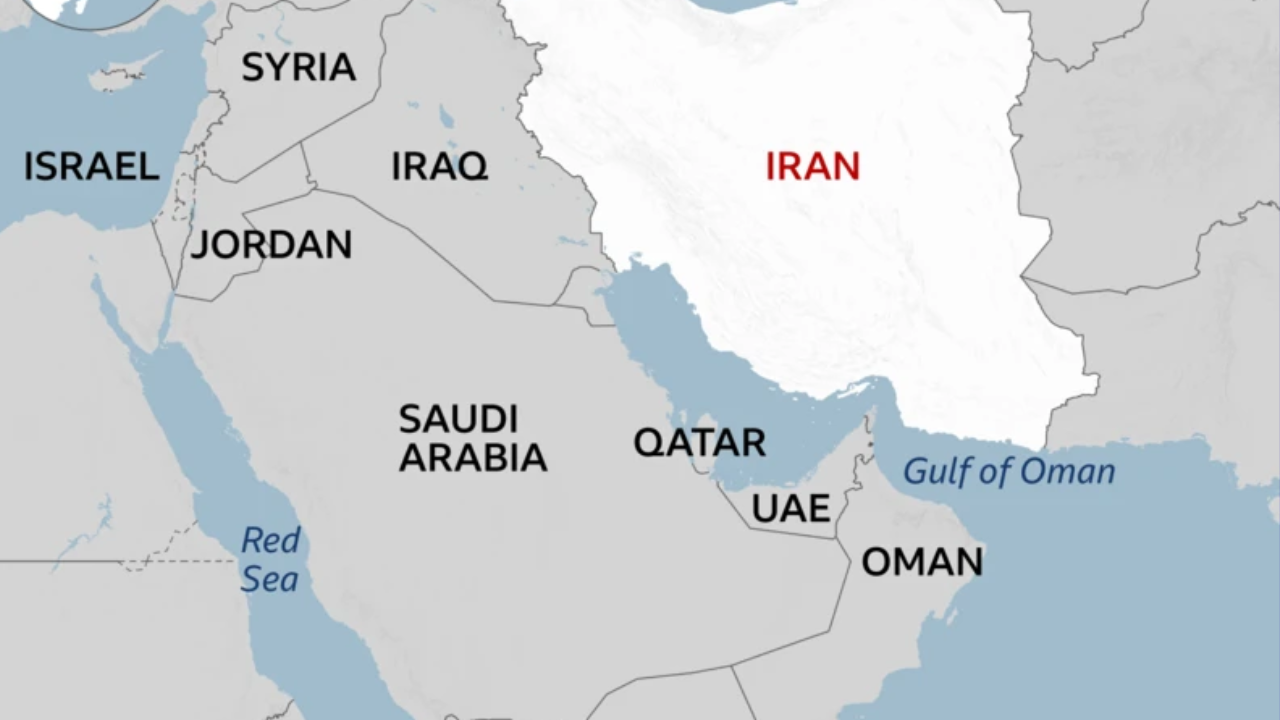
As the conflict enters its third week, the geopolitical landscape of the Middle East has been fundamentally rewritten. What began on February 28 as a joint US-Israeli operation to eliminate “imminent threats” has spiraled into a regional conflagration with global economic consequences.
Thank you for reading this post, don't forget to subscribe!Military Escalation & Leadership Crisis
The war’s opening hours saw a massive shift in Iranian power. Following joint strikes by the US and Israel, Tehran confirmed the death of Supreme Leader Ayatollah Ali Khamenei just 24 hours into the conflict.
- The Succession: His son, Mojtaba Khamenei, has been named the new leader but remains a ghost; US Defense Secretary Pete Hegseth claims he is “wounded and likely disfigured.”
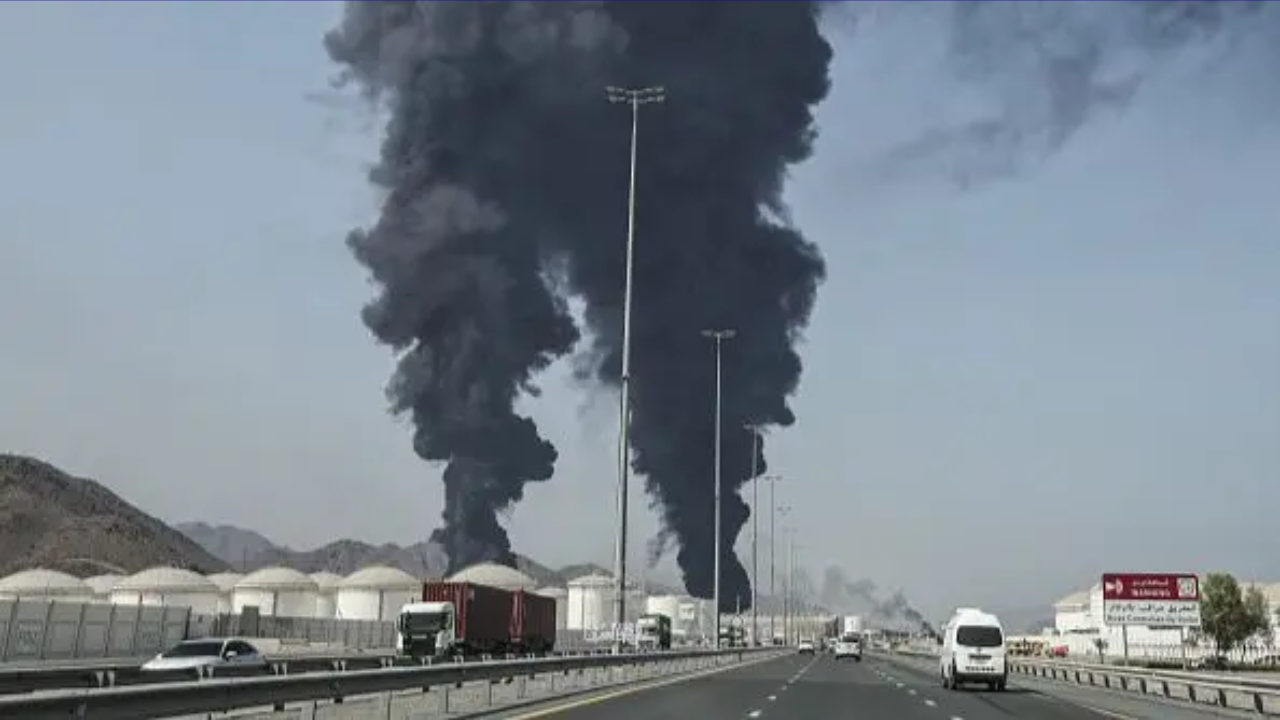
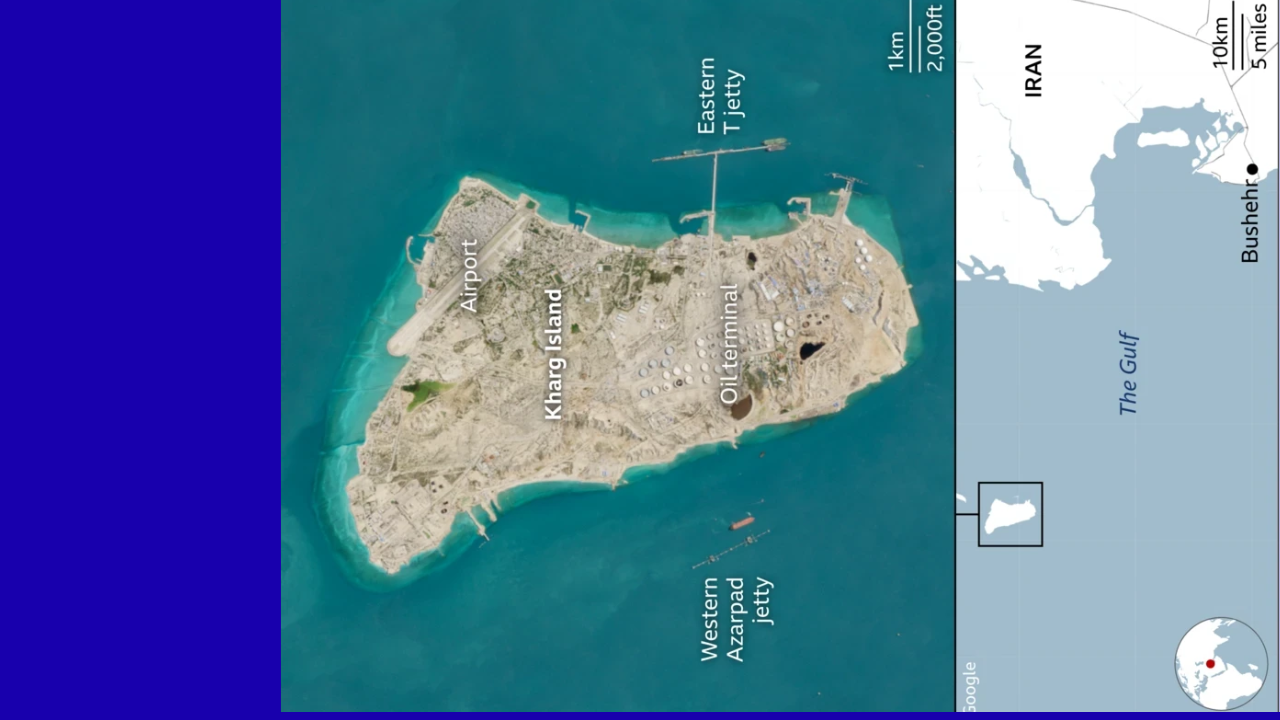
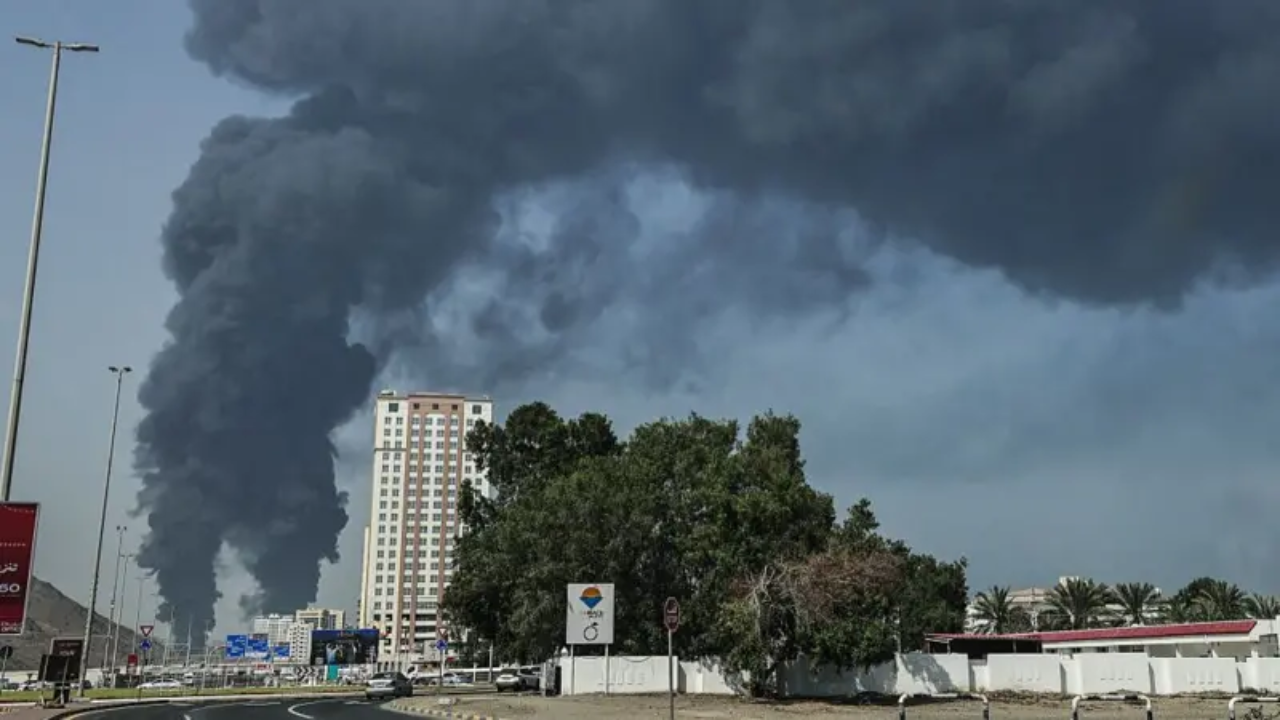
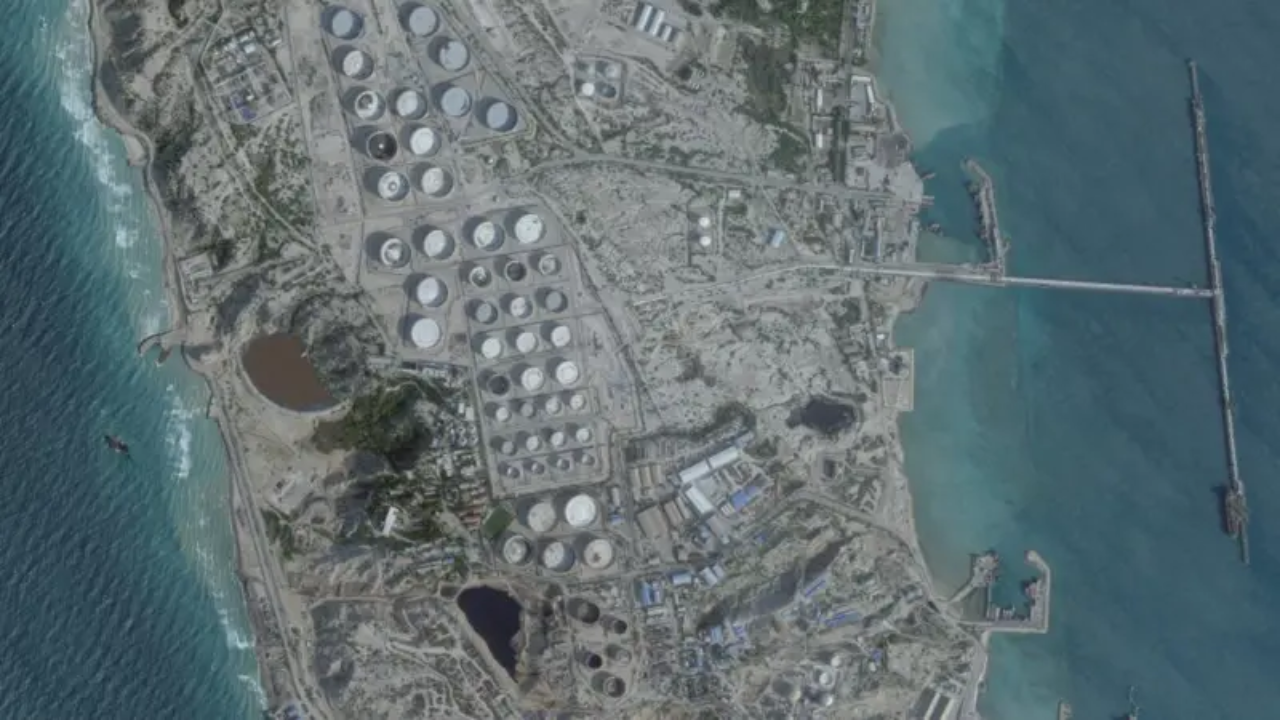
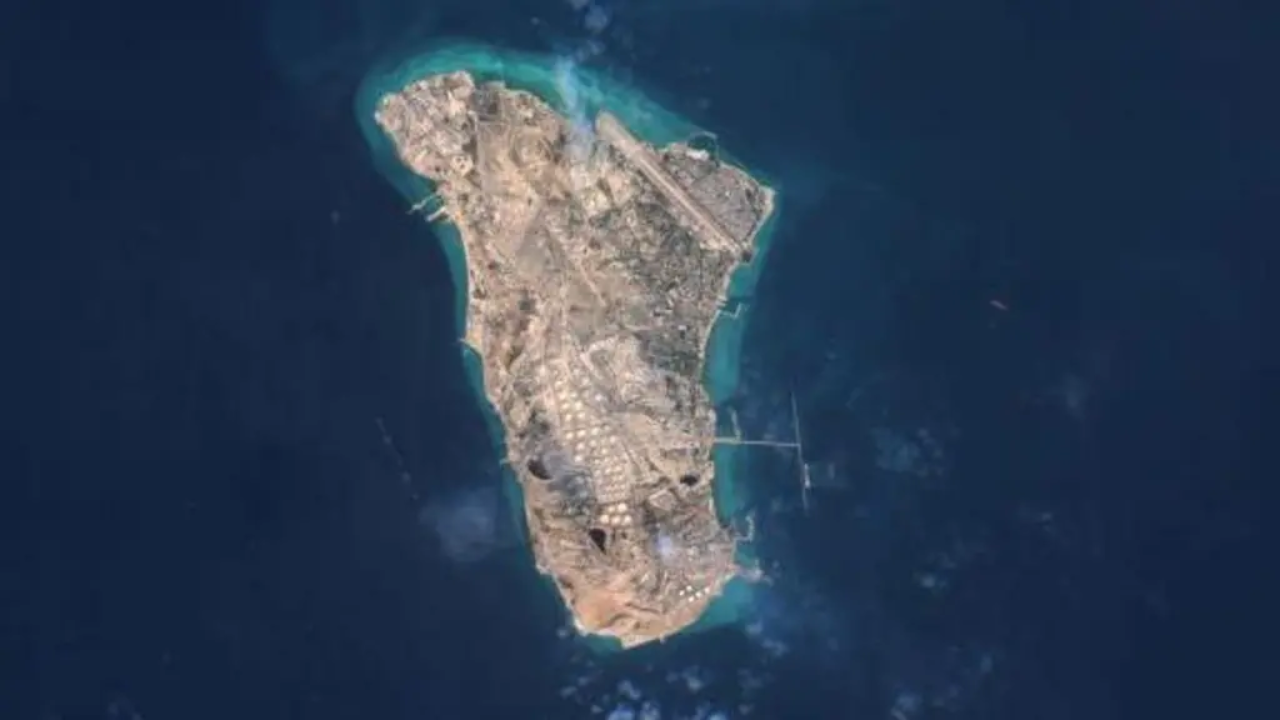
- The Bombing Campaign: Satellite imagery reveals catastrophic damage to Iran’s nuclear and missile infrastructure. Reports of “black rain” have surfaced following the destruction of major oil refineries and depots.
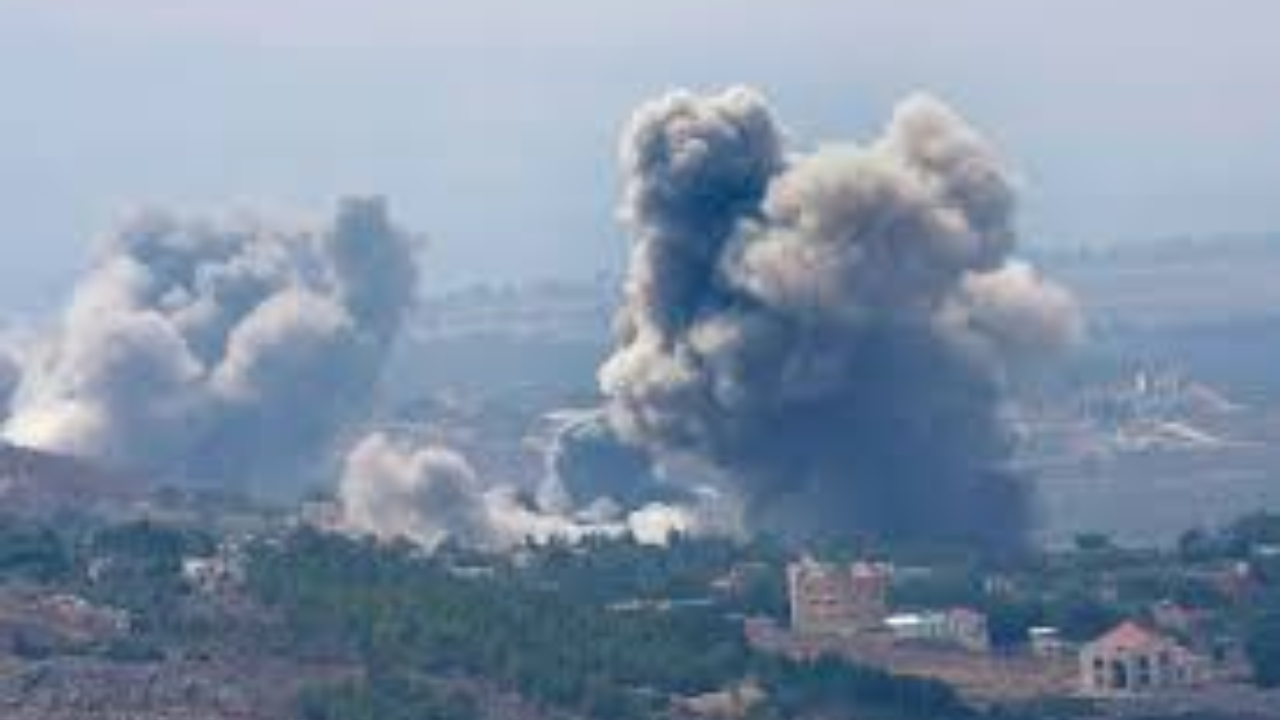
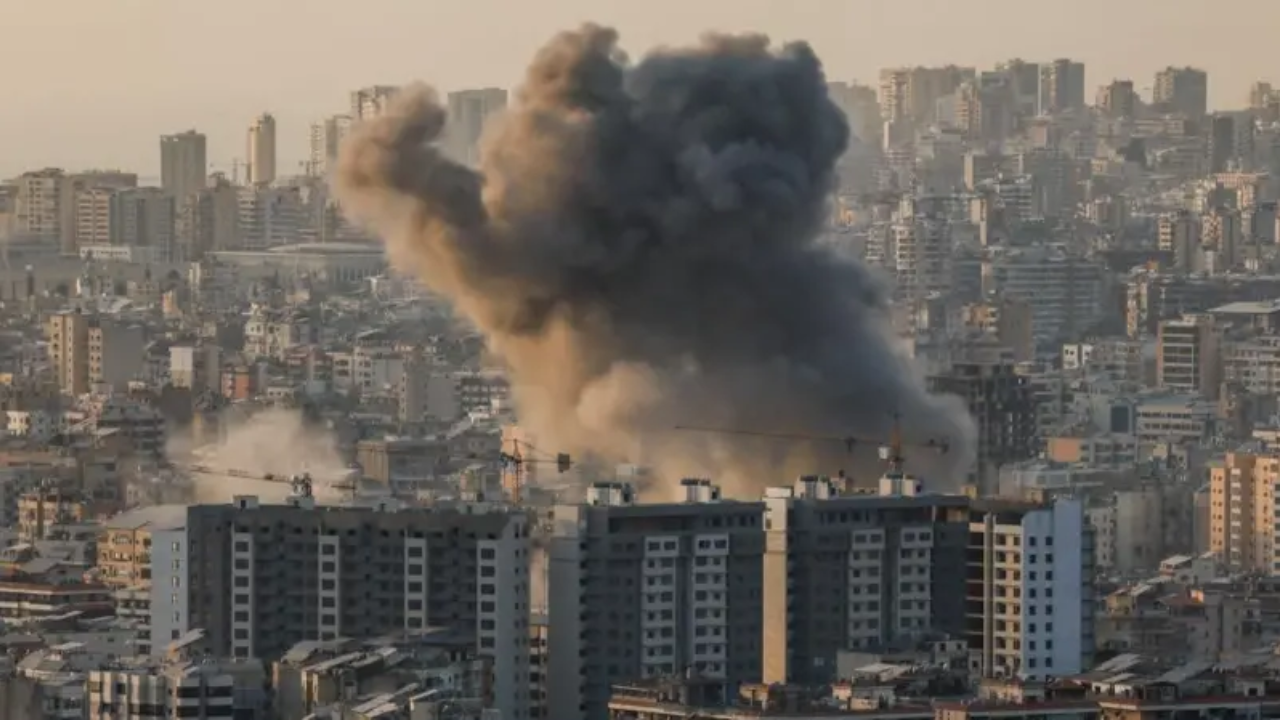
- The Second Front: Israel has expanded operations into Lebanon, launching commando raids and airstrikes on Beirut with the explicit goal of dismantling Hezbollah.
The Human and Economic Toll
The “shockwaves” of the war are no longer confined to the battlefield:
- Casualties: Thousands of deaths have been reported across the region. The US has confirmed the loss of 13 service members, including the six-person crew of a refueling aircraft that went down in western Iraq.
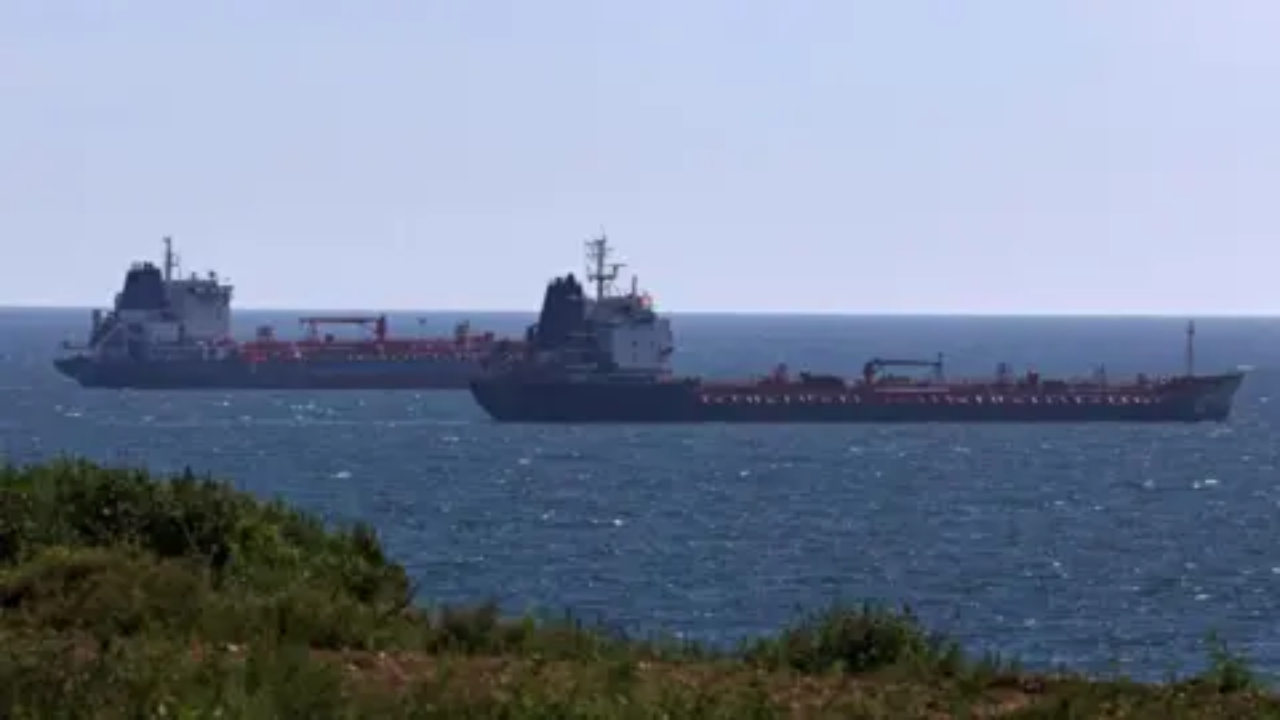
- Energy Crisis: Oil prices have surged past $100 (£75) a barrel, sparking fears of global hyper-inflation and market instability.
- Travel Paralysis: Airspace closures have grounded commercial aviation across the region. Over 170,000 Britons are currently registered as present in the conflict zone, facing uncertain evacuation prospects.
“The aim was to eliminate imminent threats… but the impact has now spread across the entire Gulf, leaving no country in the firing line untouched.” — Summary of the conflict’s rapid expansion.