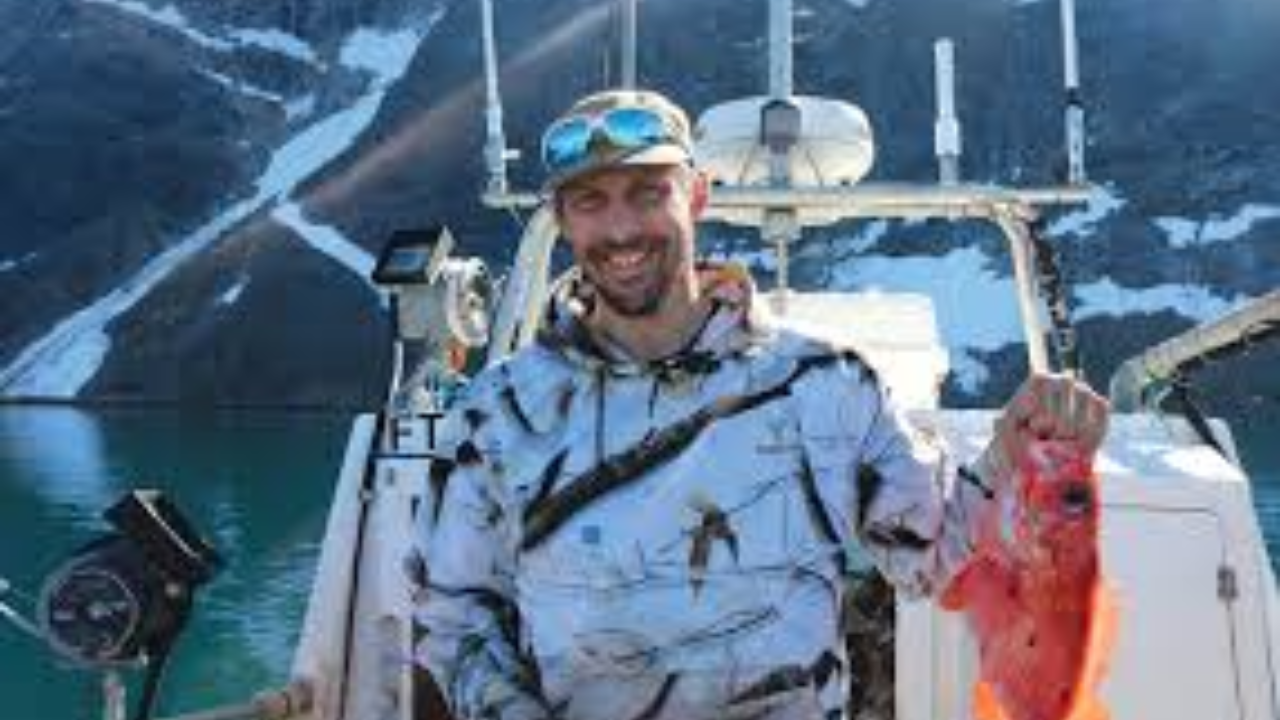
For generations, the ice was the one thing Greenland’s fishermen could count on. It was a stable platform for travel, a predictable habitat for prey, and a cultural cornerstone. Today, that foundation is literally liquefying. As the Arctic warms at nearly four times the global average, the fishing industry—the lifeblood of Greenland’s economy—is being forced into a high-stakes evolution.
Thank you for reading this post, don't forget to subscribe!The Breakdown of Tradition
The most immediate threat isn’t just the water temperature; it’s the loss of reliability.
- The Safety Gap: In the north, “fast ice” (ice attached to the shore) is becoming dangerously thin. Sled dogs, once the primary mode of winter transport, are being sidelined because the ice can no longer support their weight.
- A Shorter Window: The traditional winter fishing season has shrunk. Fishermen find themselves in a “dead zone” where there is too much ice for boats, but not enough for sleds.
An Ecological Shifting of Gears
Climate change is creating a “musical chairs” effect beneath the waves. As the North Atlantic warms, the biological makeup of the fjords is changing:
- The Exit: Cold-water species like the Northern Prawn (shrimp)—long the king of Greenlandic exports—are retreating toward the North Pole.
- The Arrival: Warmer-water species like Bluefin Tuna and Mackerel are moving in.
- The Struggle: While new species bring opportunity, local fishermen often lack the specific gear, large-scale vessels, and international quotas needed to catch and sell them profitably.
The Economic Ripple Effect
Fishing accounts for approximately 90% of Greenland’s exports. When the catch is inconsistent, the entire nation feels the tremor.
- Infrastructure at Risk: Processing plants built on permafrost are settling and cracking as the ground thaws.
- Navigational Hazards: Melting glaciers are dropping more ice into the sea. These “growlers” are small enough to miss on radar but heavy enough to sink a fishing boat.
The Bottom Line
Greenland is standing at a crossroads. While the melting ice may eventually open up new shipping routes and mineral wealth, the immediate cost is being paid by the people on the water. For them, “global warming” isn’t a headline—it’s a direct threat to their sovereignty and their survival.