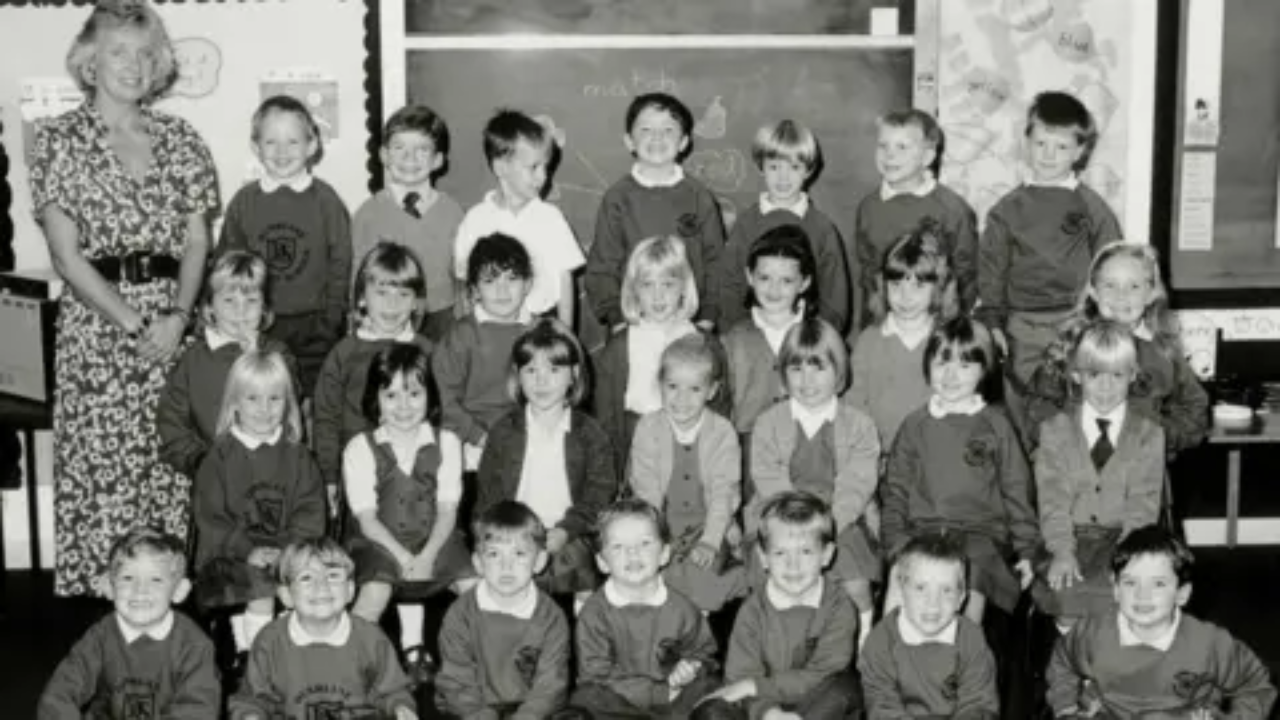
On March 13, 1996, the quiet town of Dunblane, Scotland, became the site of an unthinkable tragedy. When a gunman took the lives of 16 kindergarteners and their teacher, the UK didn’t just mourn—it transformed. The phrase “Our children paid the ultimate price” became the rallying cry for a movement that would permanently alter the country’s relationship with firearms.
Thank you for reading this post, don't forget to subscribe!The Turning Point: The Snowdrop Campaign
In the wake of the massacre, the families of the victims refused to let their grief be silent. They launched the Snowdrop Campaign, a grassroots effort named after the only flower in bloom at the time of the shooting.
- Public Outcry: They gathered over 750,000 signatures, creating a political pressure cooker that forced the government to act.
- The Cullen Inquiry: This official investigation led to the realization that existing gun laws were insufficient to prevent a motivated individual from legally obtaining lethal weaponry.
The Legislative “Iron Ring”
The UK’s response remains one of the fastest and most comprehensive gun control shifts in modern history:
- The 1997 Handgun Ban: Through two successive Firearms Amendment Acts, the UK effectively banned the private ownership of almost all handguns.
- A Culture of Regulation: This moved the UK toward some of the strictest licensing requirements in the world. Owning a firearm became a conditional privilege heavily scrutinized by police, rather than a perceived right.
The Result: A Different Reality
The impact of Dunblane is measured in the silence of the years that followed. Since the 1997 ban:
- Mass shootings have become extreme rarities.
- School security was fundamentally redesigned, making the “open campus” a thing of the past in Britain.
- National Consensus: A broad cultural agreement emerged that the safety of the collective outweighs the sporting interests of the individual.