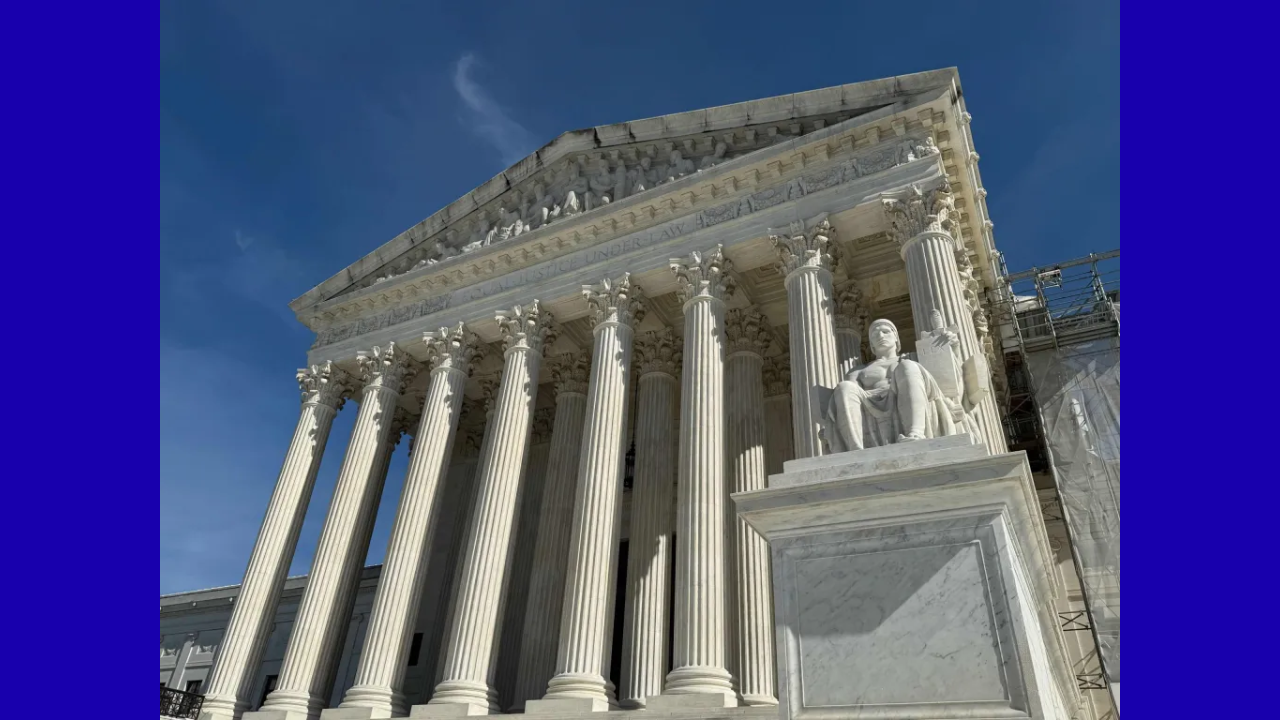
As the Supreme Court nears the end of its term this June, three major cases are poised to rewrite the rules of American elections. If the justices issue sweeping changes in the heat of campaign season, the result could be a “perfect storm” of voter confusion, legal scrambles, and administrative exhaustion.
Thank you for reading this post, don't forget to subscribe!The Court has a choice: apply these rulings immediately or follow the precedent of Reynolds v. Sims (1964), where the Court delayed implementation of a landmark ruling to avoid disrupting a fast-approaching election.
1. The Redistricting Crisis (Louisiana v. Callais)
- The Conflict: Louisiana was ordered to create a second majority-Black district, but challengers argue this is unconstitutional “racial gerrymandering.”
- The Upend: If the Court guts Section 2 of the VRA, legislatures across the country may rush to redraw maps in the final months before November to diminish minority voting power. This would spark a frantic “race against the clock” for courts and candidates alike.
2. The Campaign Finance Shift (NRSC v. FEC)
- The Conflict: Currently, there are strict limits on how much a party (like the NRSC) can spend in tandem with a specific candidate’s campaign.
- The Upend: A ruling in favor of the NRSC would allow parties to spend unlimited sums in coordination with candidates. Because candidates get special discounted rates on TV and radio ads that Super PACs do not, this could radically alter how money is moved and spent in the final stretch of the 2026 races.
3. The Mail-In Ballot Deadline (Watson v. RNC)
Perhaps the most logistically dangerous case, Watson challenges the legality of counting mail-in ballots that arrive after Election Day.
- The Conflict: Mississippi (and 18 other states) currently counts ballots postmarked by Election Day, even if they arrive a few days later. The RNC argues that federal law requires all votes to be “in” by Election Day.
- The Upend: A June ruling barring late-arriving ballots would force dozens of states to change their deadlines overnight. Since this would only apply to federal races, states might end up with two different sets of rules for local vs. congressional ballots, leading to mass disenfranchisement of voters who “don’t get the word” in time.
The “Purcell” Problem
The Supreme Court frequently uses the Purcell Principle—a doctrine stating that courts should not change election rules too close to an election to avoid confusing voters and overtaxing administrators.
However, the Court’s recent track record on its “emergency docket” has been inconsistent, having already intervened in 2026 maps for Texas, California, and New York. By moving forward with these three new rulings in June, the Court risks “piling on” complications in an already polarized and high-stakes election year.
The Bottom Line: To ensure a stable election, the Court could simply hold these decisions until after November, allowing the 2026 midterms to proceed under existing rules while setting the stage for 2028.