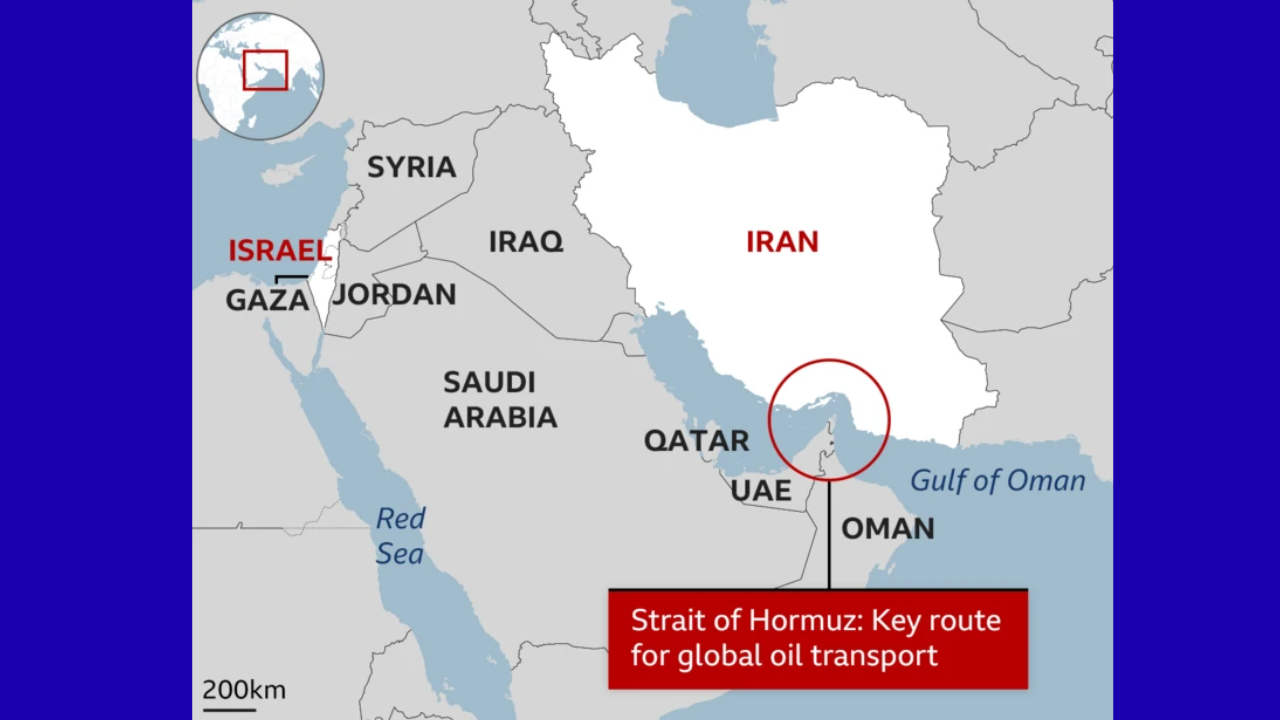
Ensuring the flow of global trade through the Strait of Hormuz requires a sophisticated, multi-layered defense. As of April 2026, the U.S. Navy has moved toward a “standoff” strategy, prioritizing autonomous tech to keep sailors out of harm’s way while neutralizing threats with surgical precision.
Thank you for reading this post, don't forget to subscribe!1. The Mother Ships: Littoral Combat Ships (LCS)
Modern mine countermeasures are led by Independence-class LCS vessels. Unlike the wooden-hulled ships of the past that had to enter minefields, these warships serve as high-tech command centers that stay at a safe distance while deploying a modular suite of drones.
2. The Drone “Kill Chain”
Unmanned systems are the workhorses of modern mine clearance:
- Detection: Unmanned Surface Vehicles (USVs) tow the AN/AQS-20 sonar. This submersible “fish” scans from the seafloor to the surface, generating high-resolution 3D images of hidden threats.
- Deception: The Unmanned Influence Sweep System (UISS) is a drone boat that mimics the magnetic and acoustic signatures of a massive tanker, “tricking” smart mines into detonating harmlessly.
- Destruction: Once a mine is localized, the Navy deploys Barracuda drones—semi-autonomous underwater interceptors that identify and destroy the target on contact.
3. The Eye in the Sky: Helicopters
MH-60S Seahawk helicopters provide rapid aerial surveillance and neutralization:
- Laser Scanning: The ALMDS (Airborne Laser Mine Detection System) uses blue-green LIDAR to “see” through the water and spot moored mines.
- Remote Neutralization: If a mine is found, the helicopter lowers the AMNS, which launches its own miniature ROVs to swim to the mine and neutralize it with a shaped charge.
Strategy at a Glance
| Phase | Technology | Method |
| Search | ALMDS Laser / Sonar | High-speed scanning from air and sea. |
| Sweep | UISS Drone Boat | Mimicking ship signatures to trigger mines. |
| Neutralize | Barracuda / AMNS | Expendable drones for “kamikaze” destruction. |
By utilizing this “man-out-of-the-loop” architecture, the U.S. Navy can clear vital shipping lanes faster and more safely than ever before, maintaining stability in one of the world’s most critical maritime chokepoints.