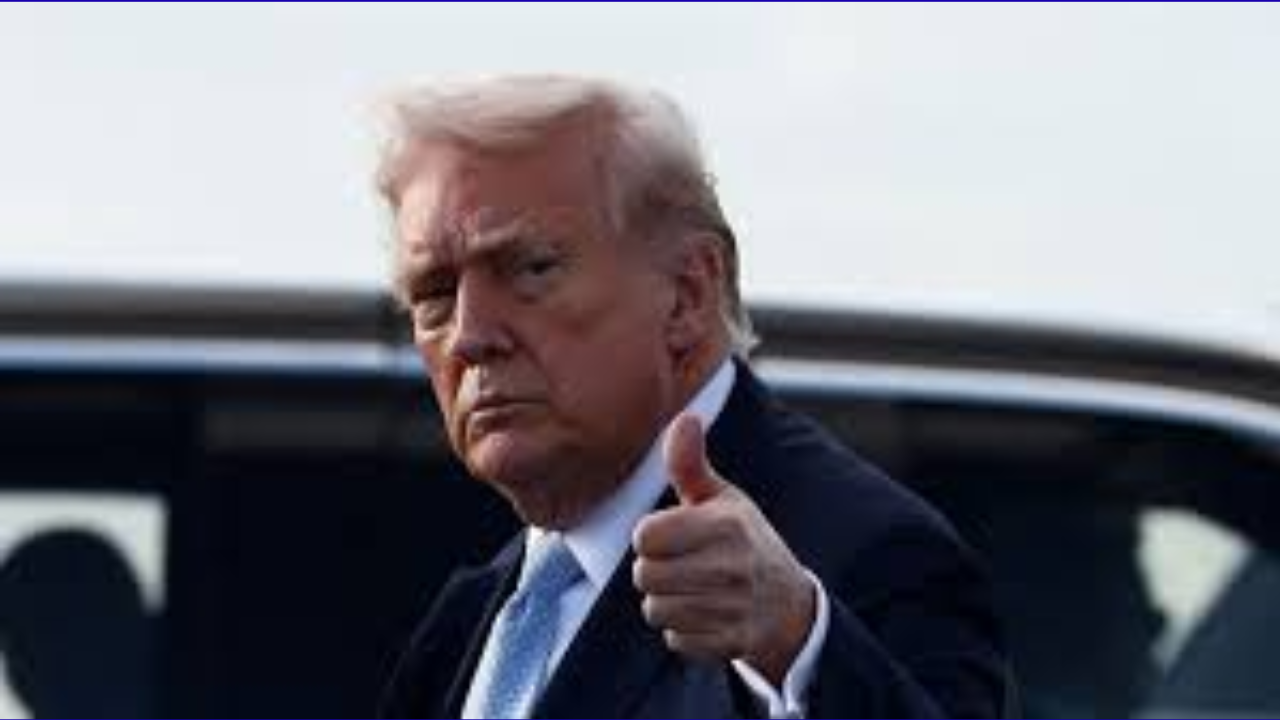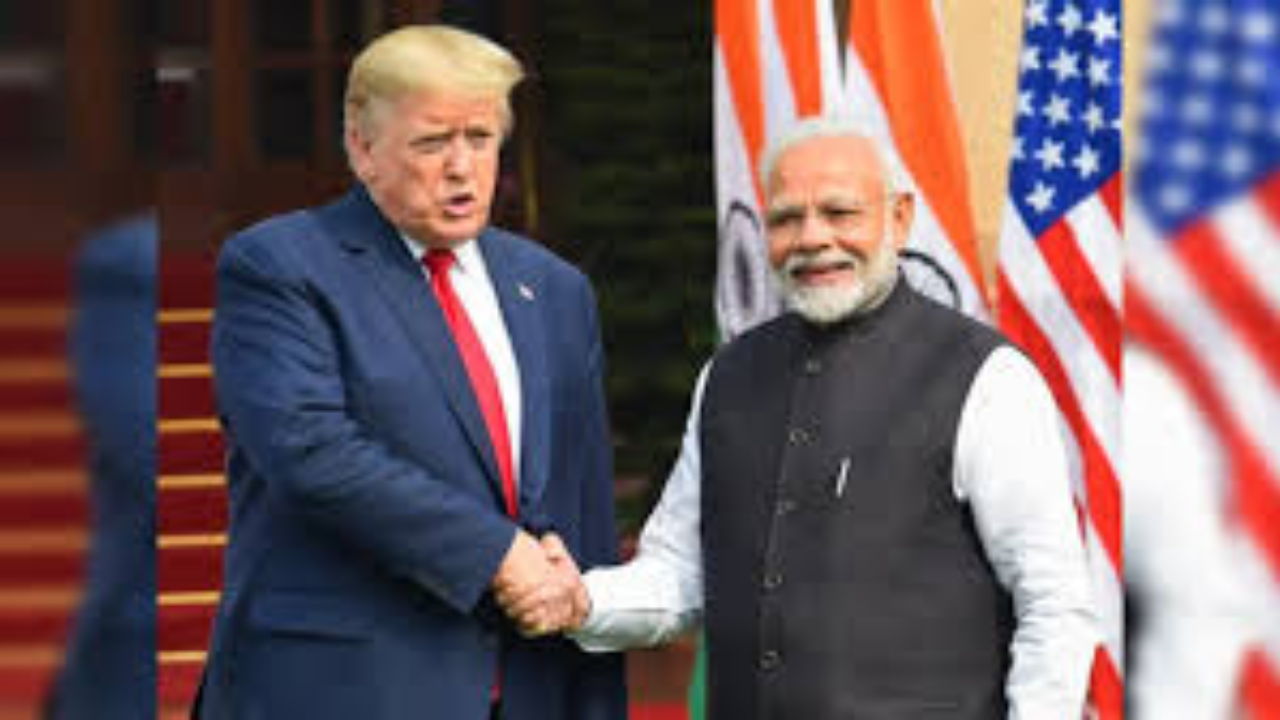
The trade landscape shifted dramatically on February 2, 2026, as Prime Minister Modi and President Trump reached a breakthrough agreement. This “zero-tariff” pledge aims to de-escalate a cycle of retaliatory duties and pivot India’s economic alignment toward the West.
Thank you for reading this post, don't forget to subscribe!The Core Pillars of the Agreement
- Reciprocal De-escalationThe U.S. has slashed its peak tariffs on Indian imports from 50% down to 18%. In exchange, India has committed to a roadmap for the total elimination of tariffs on American products, moving toward a “zero-barrier” environment.
- The $500 Billion Purchase CommitmentTo balance the trade scales, India has pledged to buy $500 billion worth of American goods. This massive spend focuses on:
- Energy: Liquid Natural Gas (LNG) and crude oil.
- Agriculture: Grains and dairy.
- Technology: Defense equipment and high-end electronics.
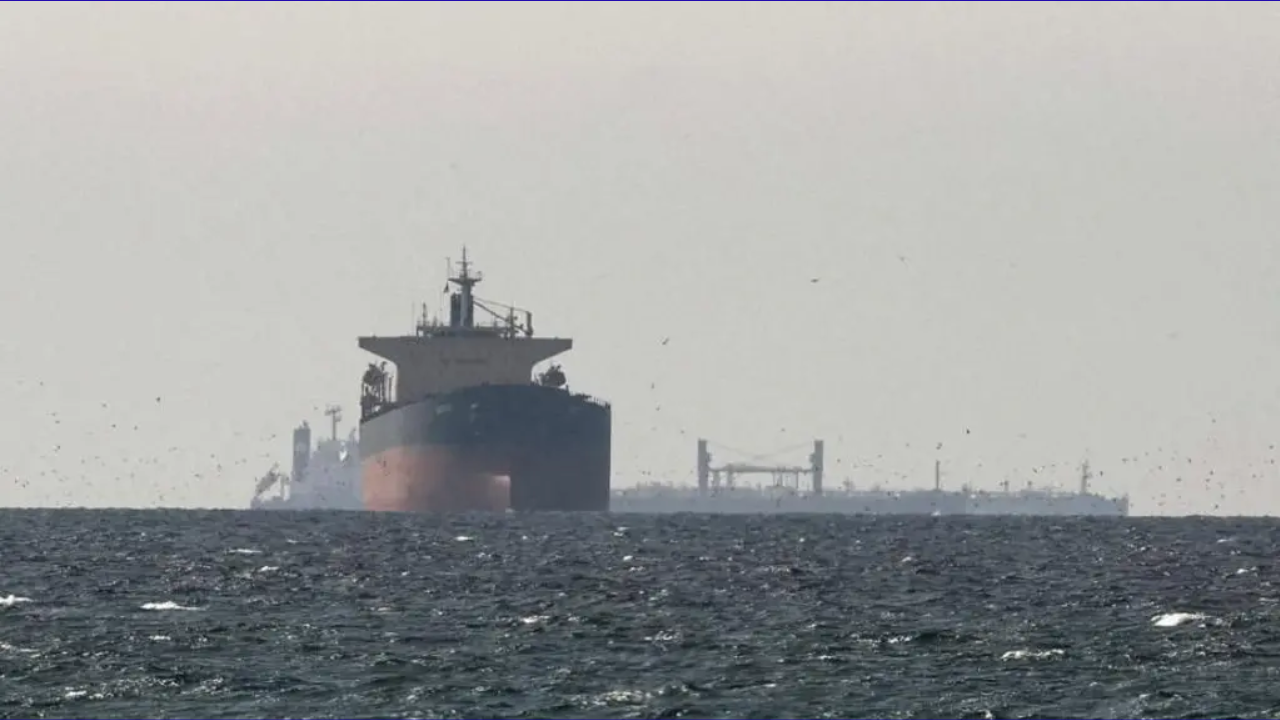
- The Russian Oil PivotIn perhaps the most significant geopolitical move, India has reportedly agreed to phase out Russian oil purchases. This energy vacuum will be filled by increased imports from the U.S. and Venezuela, effectively decoupling India from Moscow’s energy economy.
Sector-Specific Implications
| Industry | Outlook | Primary Driver |
| Indian Exports | Bullish | Lower U.S. tariffs make Indian textiles, jewelry, and pharma more competitive. |
| Indian IT/Tech | Stable | Reduced friction on H-1B visas and digital service taxes as part of “goodwill” negotiations. |
| U.S. Farming | Bullish | Unprecedented access to the Indian middle class for U.S. dairy, almonds, and wheat. |
| Indian MSMEs | Challenged | Small manufacturers may struggle to compete with duty-free American mass-market goods. |