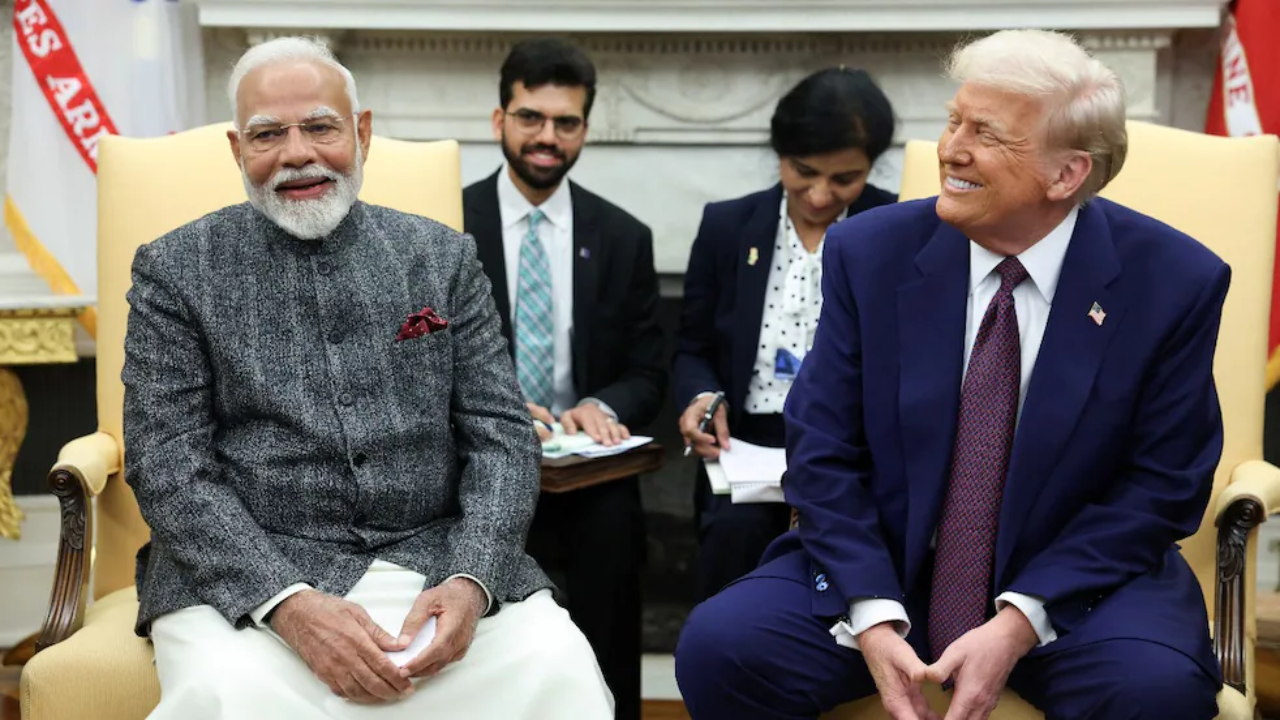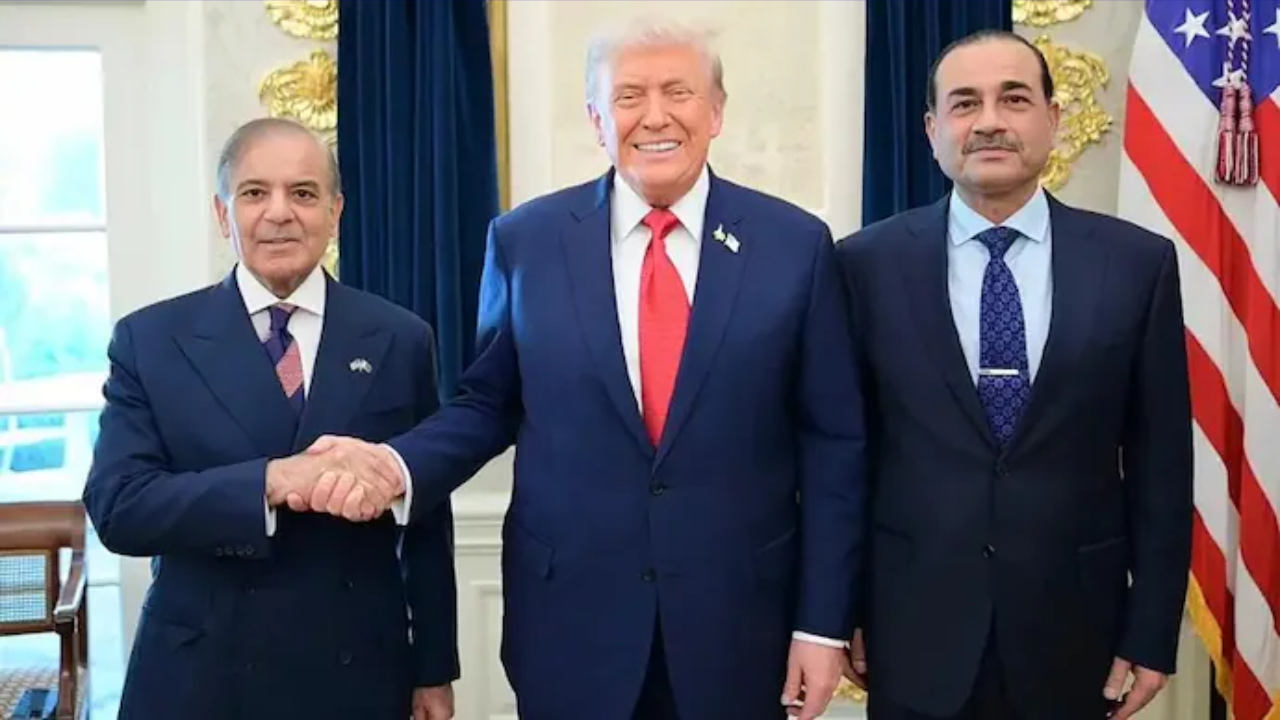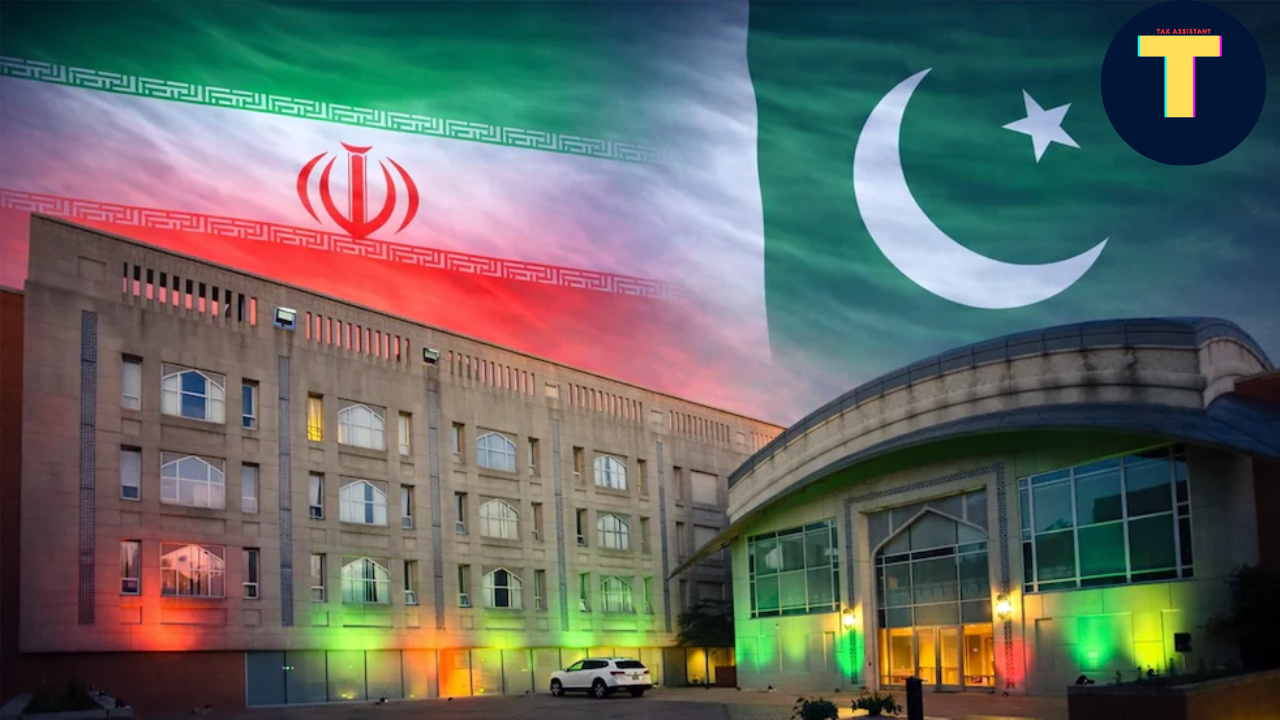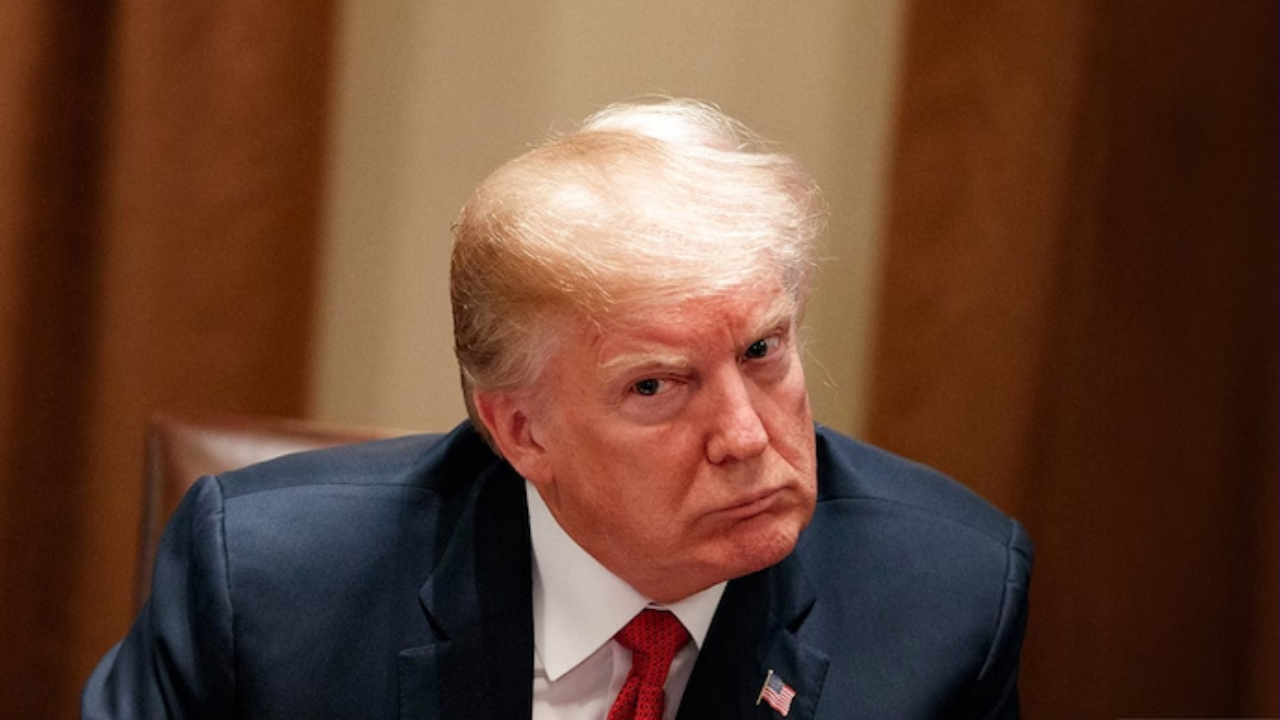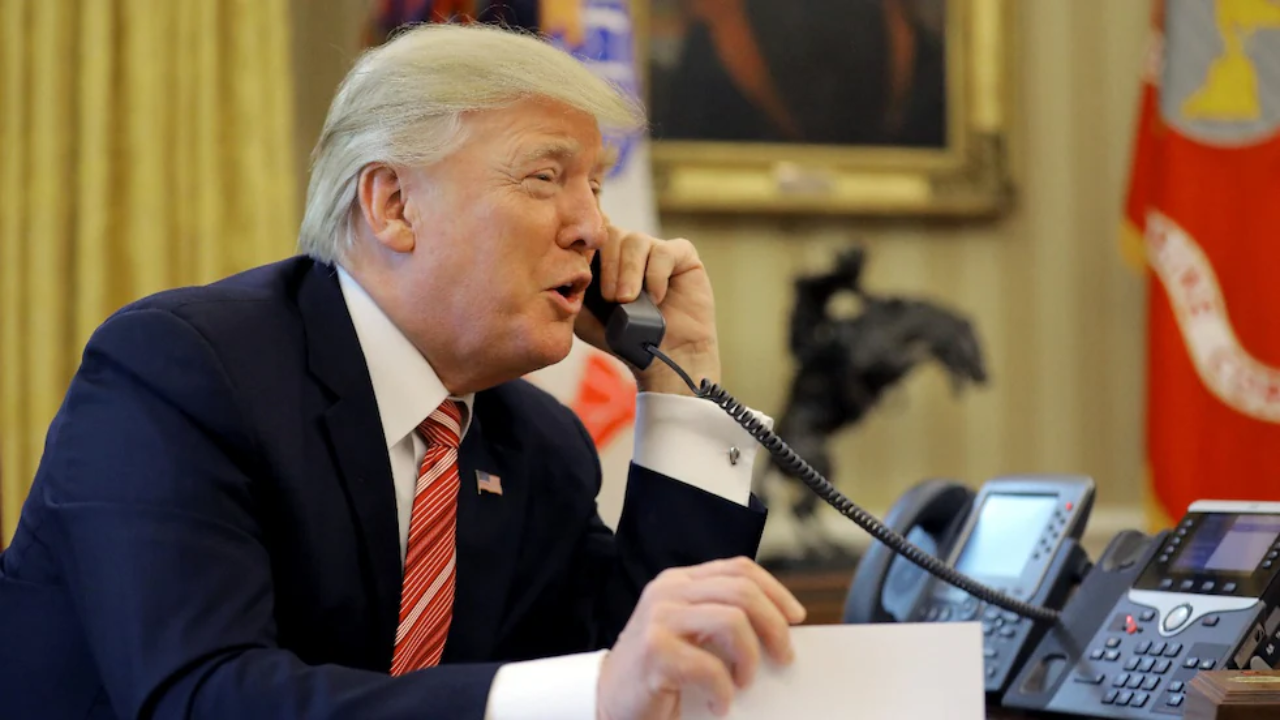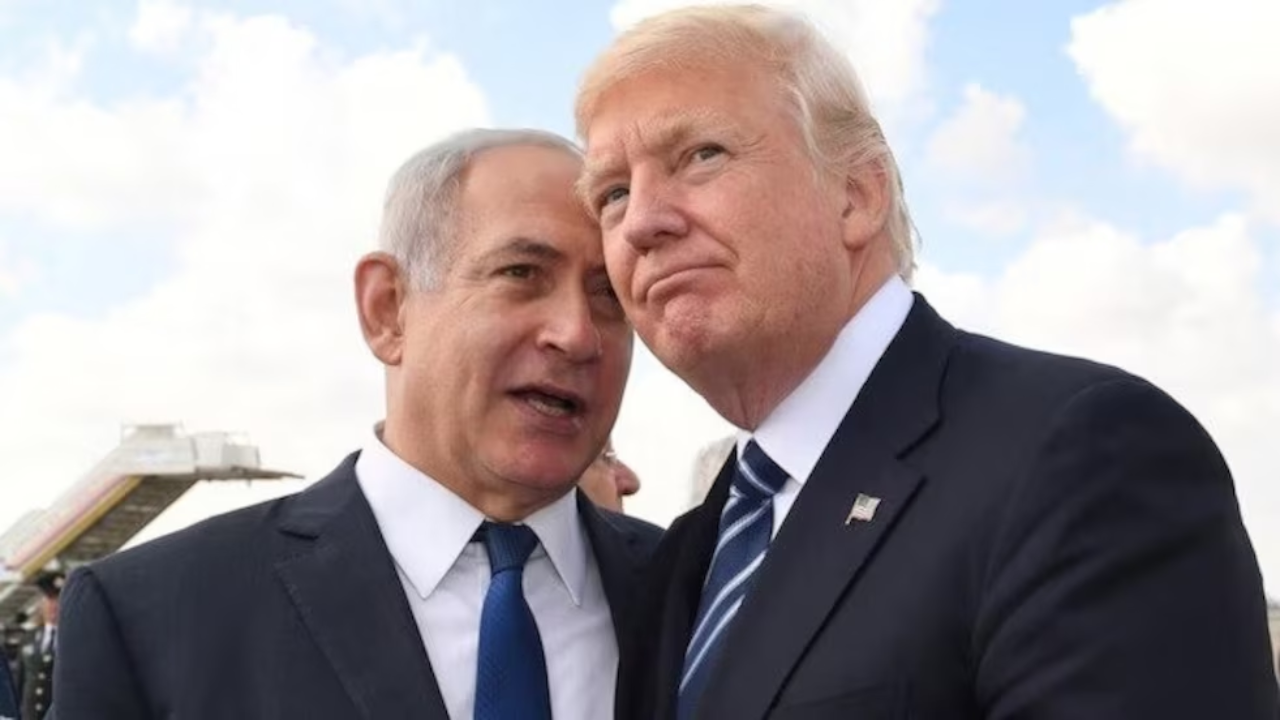
As of late March 2026, a high-stakes diplomatic dance is unfolding between Washington, Tehran, and Jerusalem. While President Trump is pushing for a definitive “grand bargain” to end the current conflict, Israeli officials are warning that the gap between American expectations and Iranian reality remains dangerously wide.
Thank you for reading this post, don't forget to subscribe!Trump’s “Deal of the Decade” Approach
President Trump has shifted his rhetoric from threats of “obliteration” to the possibility of a “total resolution.” Following the recent closure of the Strait of Hormuz, Trump has extended a five-day diplomatic window, claiming that secret channels have yielded productive dialogue.
- The Incentive: Trump is dangling the removal of crushing energy sanctions and the promise of “unprecedented prosperity” if Tehran agrees to a new framework.
- The Pressure: At the same time, the U.S. military presence continues to swell, with the USS Tripoli and USS Boxer providing a “big stick” to back the diplomacy.
The View from Jerusalem: A “Bridge Too Far”
Israeli intelligence and defense officials are far less optimistic. From their perspective, the conditions required for a sustainable peace are exactly the ones Iran is most likely to reject.
- Zero-Enrichment Mandate: Israel is lobbying for a deal that includes the permanent dismantling of Iranian nuclear sites like Fordow, rather than just a temporary freeze.
- The Proxy Problem: Jerusalem insists that any “deal” must include the immediate defunding and withdrawal of Iranian support for groups like Hezbollah and the Houthis—a core pillar of Iran’s regional strategy.
- Leveraging Superiority: Israeli leadership believes that because the IDF and U.S. forces currently hold the military upper hand, now is the time to demand absolute concessions, not provide “off-ramps.”
A Volatile Reality
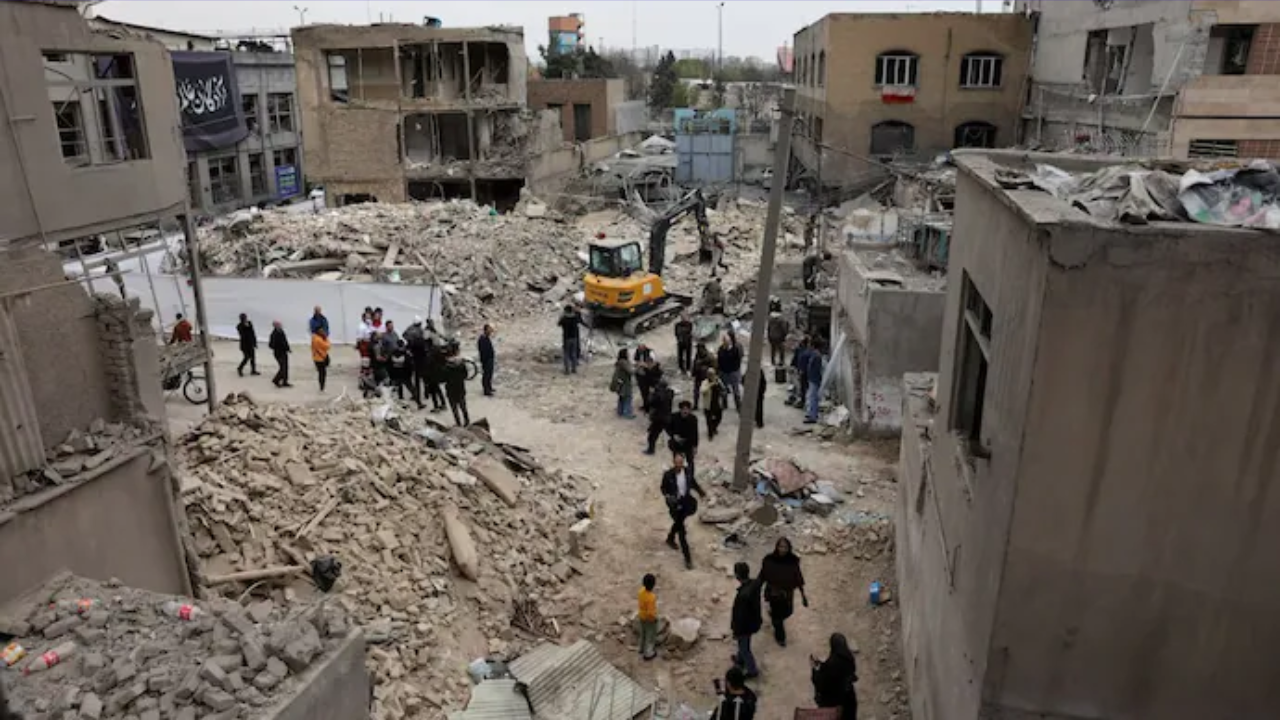
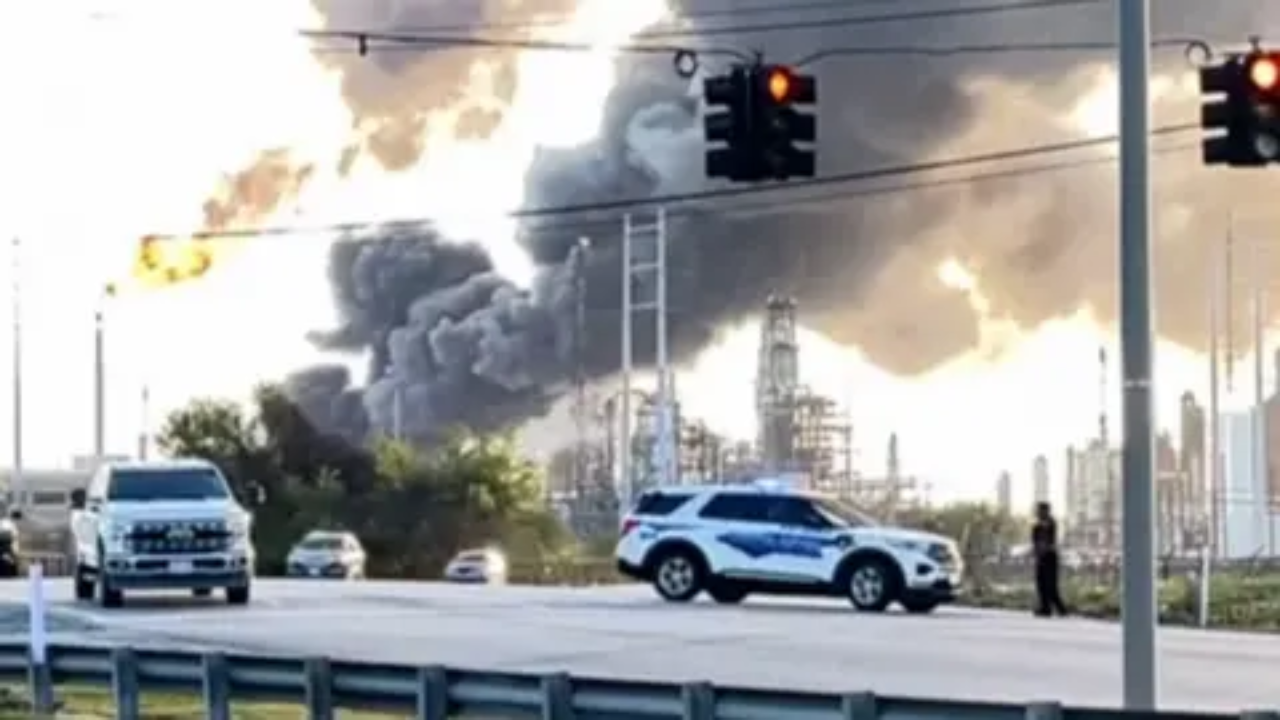
While the White House talks of a pause, the situation on the ground remains kinetic. Just this week, missile exchanges have continued between Iranian forces and the IDF, highlighting the fragility of any potential ceasefire.
Bottom Line: Trump is betting on his ability to “close the deal,” but Israeli officials fear that Tehran is simply using the five-day window to regroup and wait out the current military pressure.