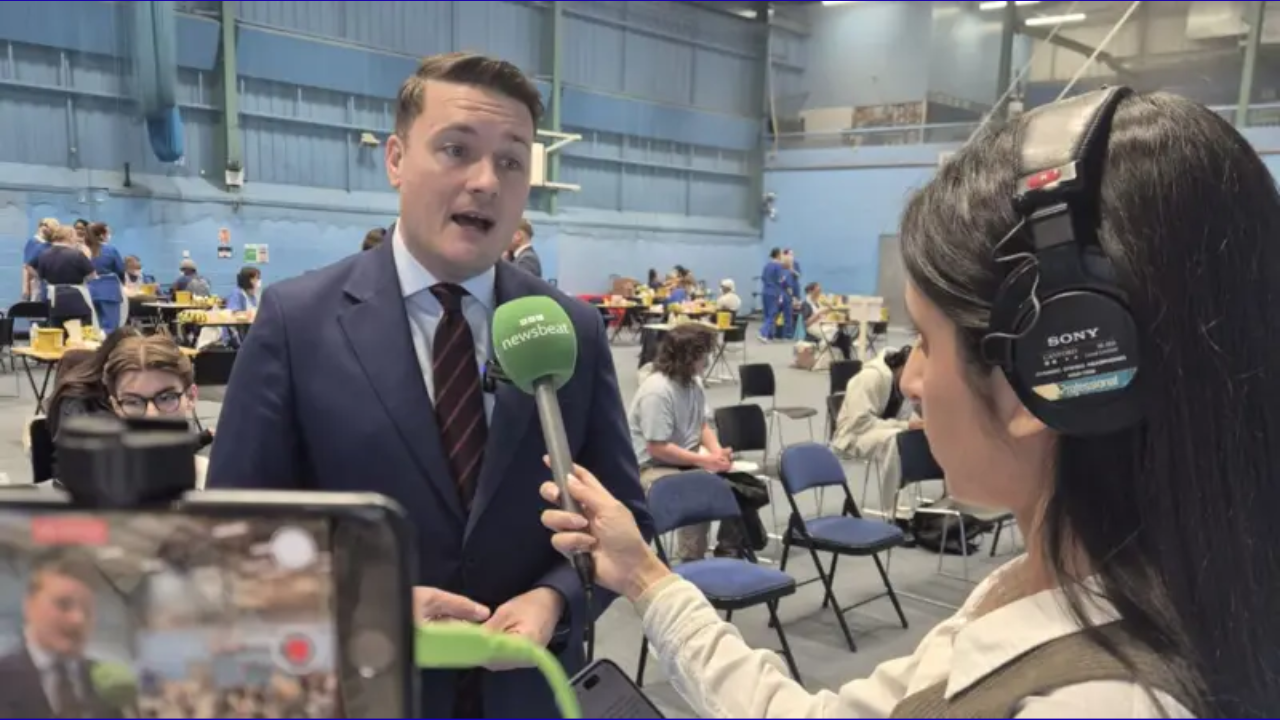
When Health Secretary Wes Streeting insists he has “no reason to be the fun police,” he’s performing a delicate political dance. He is trying to sell a preventative health revolution without looking like the man who wants to ban your Friday night takeaway.
Thank you for reading this post, don't forget to subscribe!The Strategy: Personal Responsibility vs. State Survival
Streeting’s rhetoric is designed to pivot away from the “Nanny State” labels that often dog the Labour party. His approach centers on three key pillars:
- The “Social Contract”: He frames health as a collective duty. The logic is simple: If you want a free NHS that works, you have a responsibility not to overwhelm it with preventable illnesses.
- The “Nudge” over the “Shove”: By claiming he isn’t the fun police, he’s signaling a preference for incentives and education over outright bans—though his support for the generational smoking ban suggests he’s willing to be “the sheriff” when it comes to long-term survival.
- Economic Realism: Streeting is candid about the fact that an unhealthy workforce is a stagnant economy. He views public health not as a moral crusade, but as an infrastructure project for the UK’s human capital.
The Friction Point
Critics argue that despite the “fun” rhetoric, the government’s 10-Year Plan involves significant interventions in how we eat, smoke, and drink. To his detractors, saying “I’m not the fun police” while implementing junk food advertising bans feels a bit like a “good cop, bad cop” routine where Streeting plays both roles.
The Bottom Line: Streeting wants to be the man who saved the NHS, not the man who took away your salt and sugar. Whether he can achieve the former without doing the latter remains the biggest question of his tenure.