In a rare display of unified “middle-power” diplomacy, countries across the Middle East and South Asia successfully brokered a temporary truce. By shifting the narrative from “Total Obliteration” to a Five-Day Negotiation Window, this coalition effectively hit the pause button on a direct military confrontation.
Thank you for reading this post, don't forget to subscribe!1. The Riyadh Emergency Summit
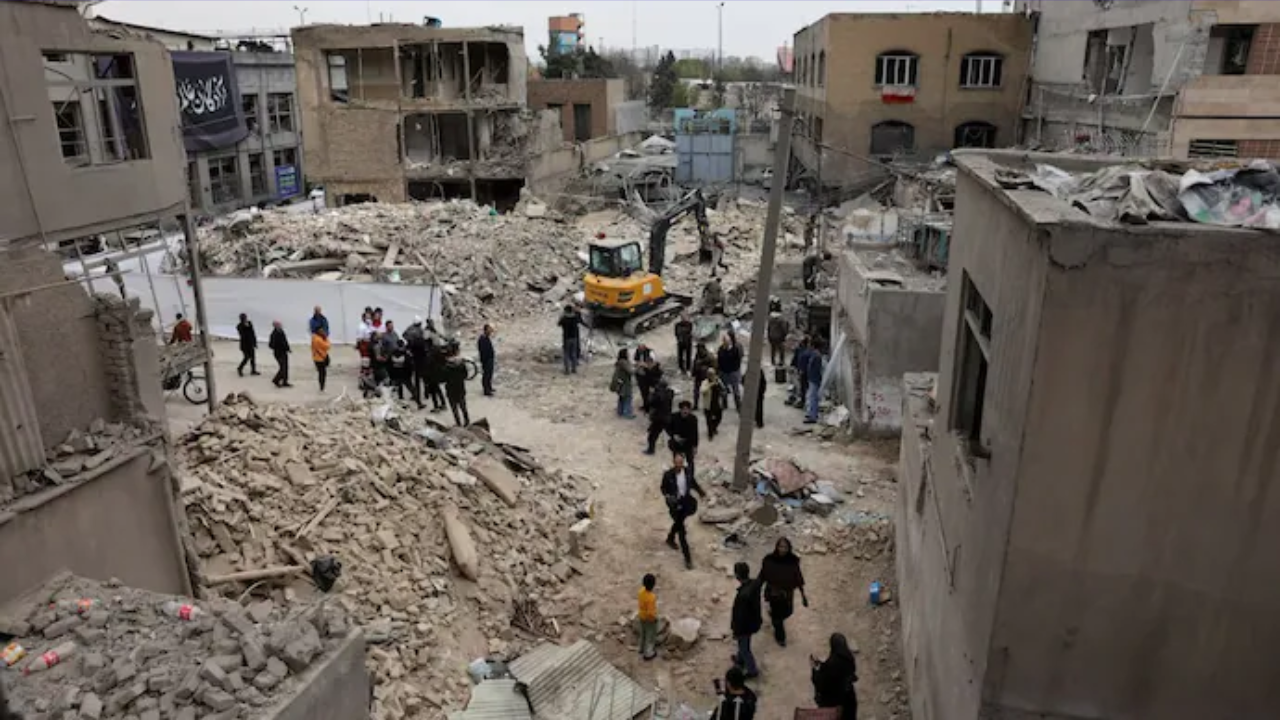
The catalyst for this back-channel was an emergency meeting in Riyadh. Foreign ministers from Egypt, Turkey, Saudi Arabia, and Pakistan realized that a full-scale strike on Iranian power infrastructure would destabilize the entire region’s energy and security.
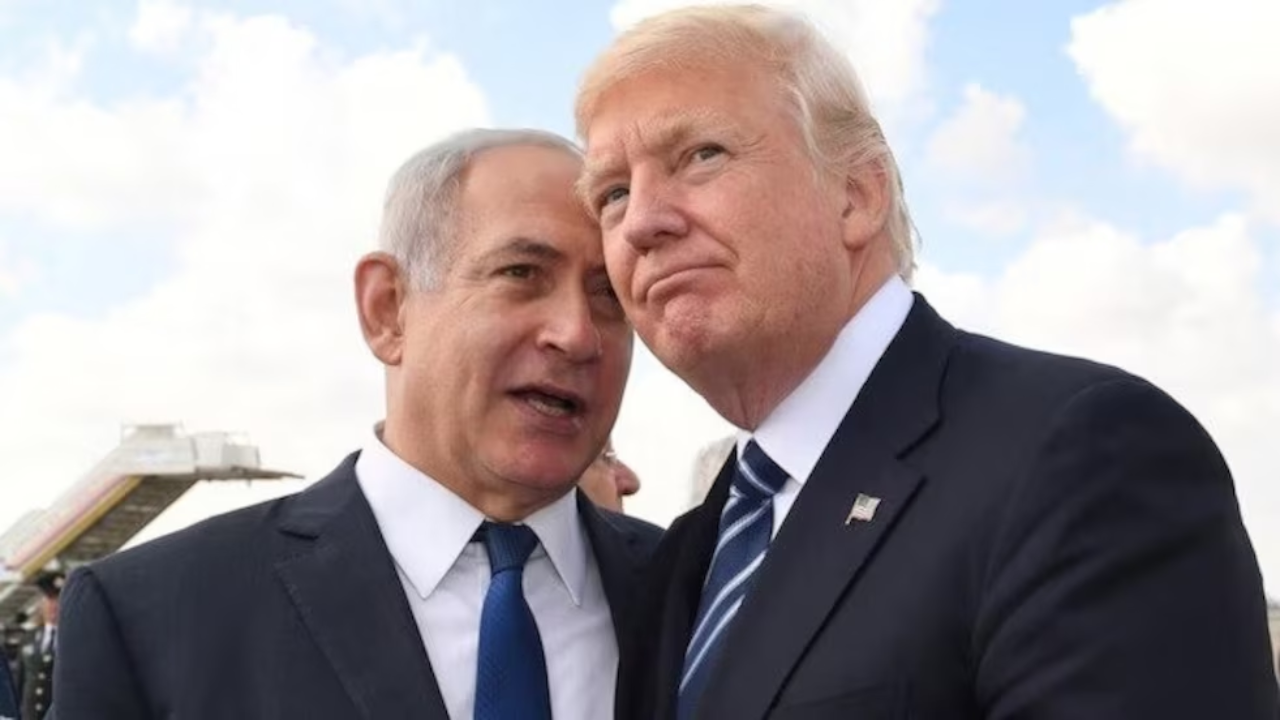
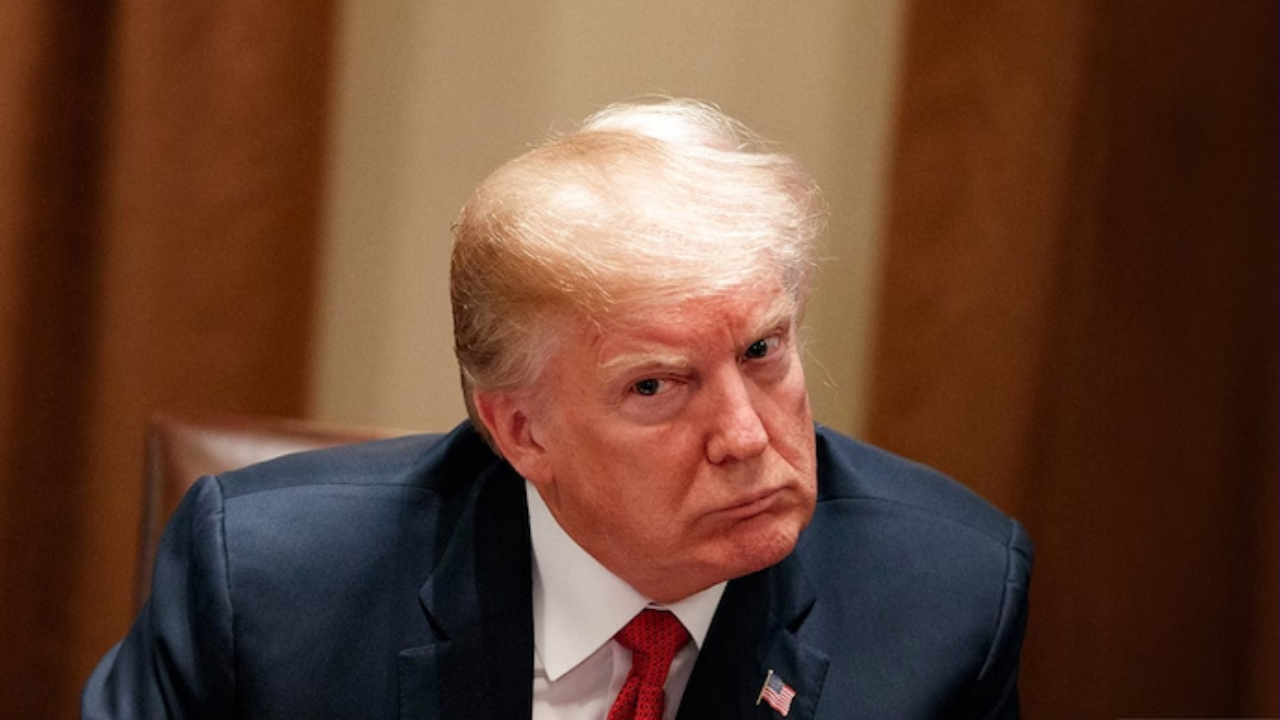
- The Strategy: They didn’t just ask for peace; they coordinated a unified front to present President Trump with a viable alternative to war.
2. Egypt’s Intelligence Bridge
With the recent assassination of Ali Larijani creating a diplomatic vacuum in Tehran, Egyptian Intelligence stepped into the gap.
- Egypt utilized its unique “security-first” relationship with the IRGC to convince Iranian leadership to accept a cooling-off period.
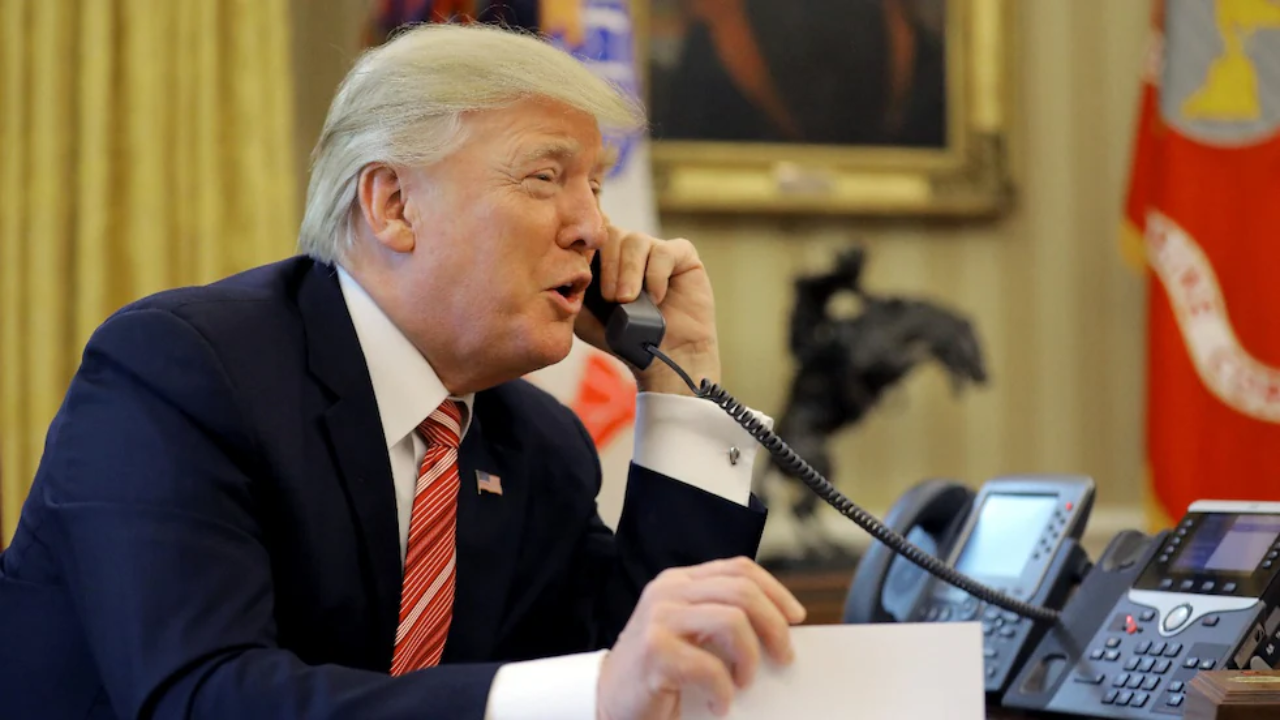
- This provided the U.S. with a credible point of contact during a period of extreme chaos.
3. The “No Base Access” Clause
One of the strongest levers was pulled by Saudi Arabia and other Gulf allies. By signaling that U.S. bases on their soil could not be used for strikes on Iranian energy grids, they effectively narrowed the U.S. military’s tactical options, forcing a shift toward a diplomatic “off-ramp.”
4. India and the “Quiet Channel”
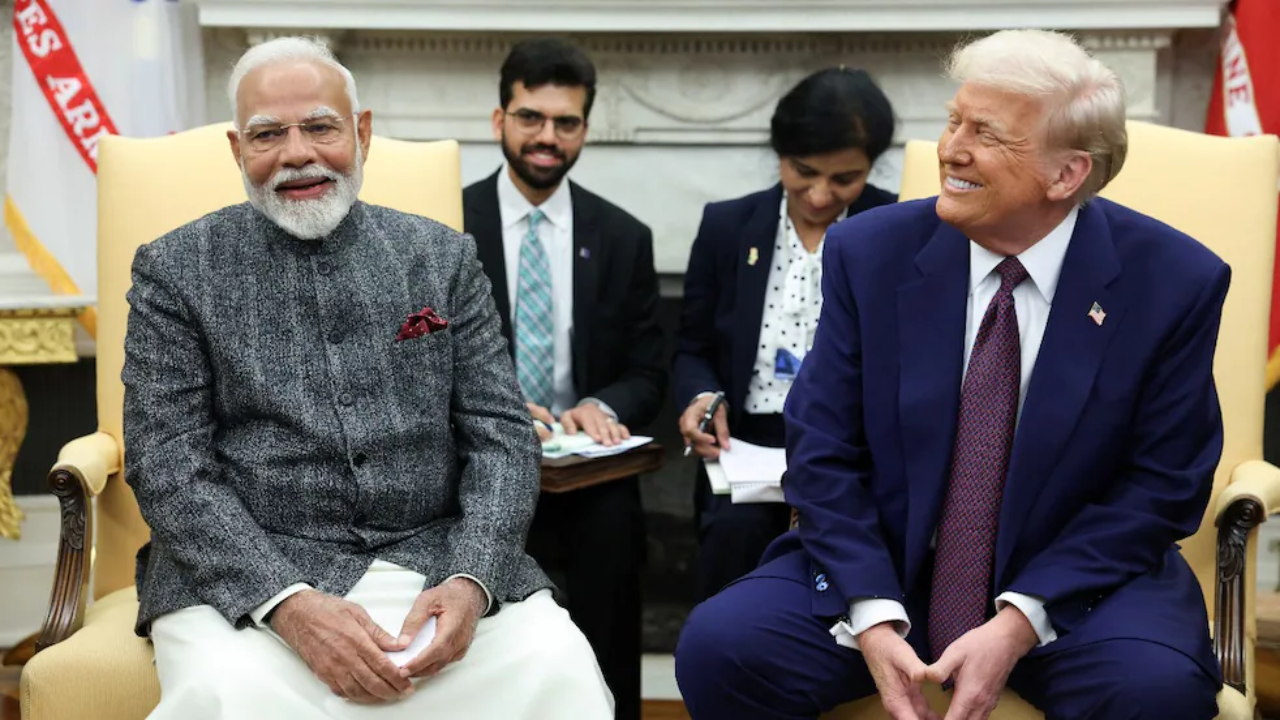
While the others were vocal, India operated in the shadows. Leveraging its strategic partnerships with both the Trump administration and Tehran, India acted as a “technical relay,” ensuring that messages weren’t lost in translation and preventing accidental military triggers.
5. Pakistan’s Neutral Ground
Pakistan transitioned from mediator to host, offering Islamabad as the physical site for upcoming talks. This move seeks to move the dialogue away from the volatility of the Persian Gulf to a more neutral setting.
The Bottom Line: Where We Stand Now
The intervention has produced immediate, tangible results:
- De-escalation: President Trump suspended the “48-hour” ultimatum.
- Economic Relief: Oil prices plummeted by 11%, dipping below $100 per barrel.
- The Deadline: A target date of April 9, 2026, has been set to finalize a deal to end the war.