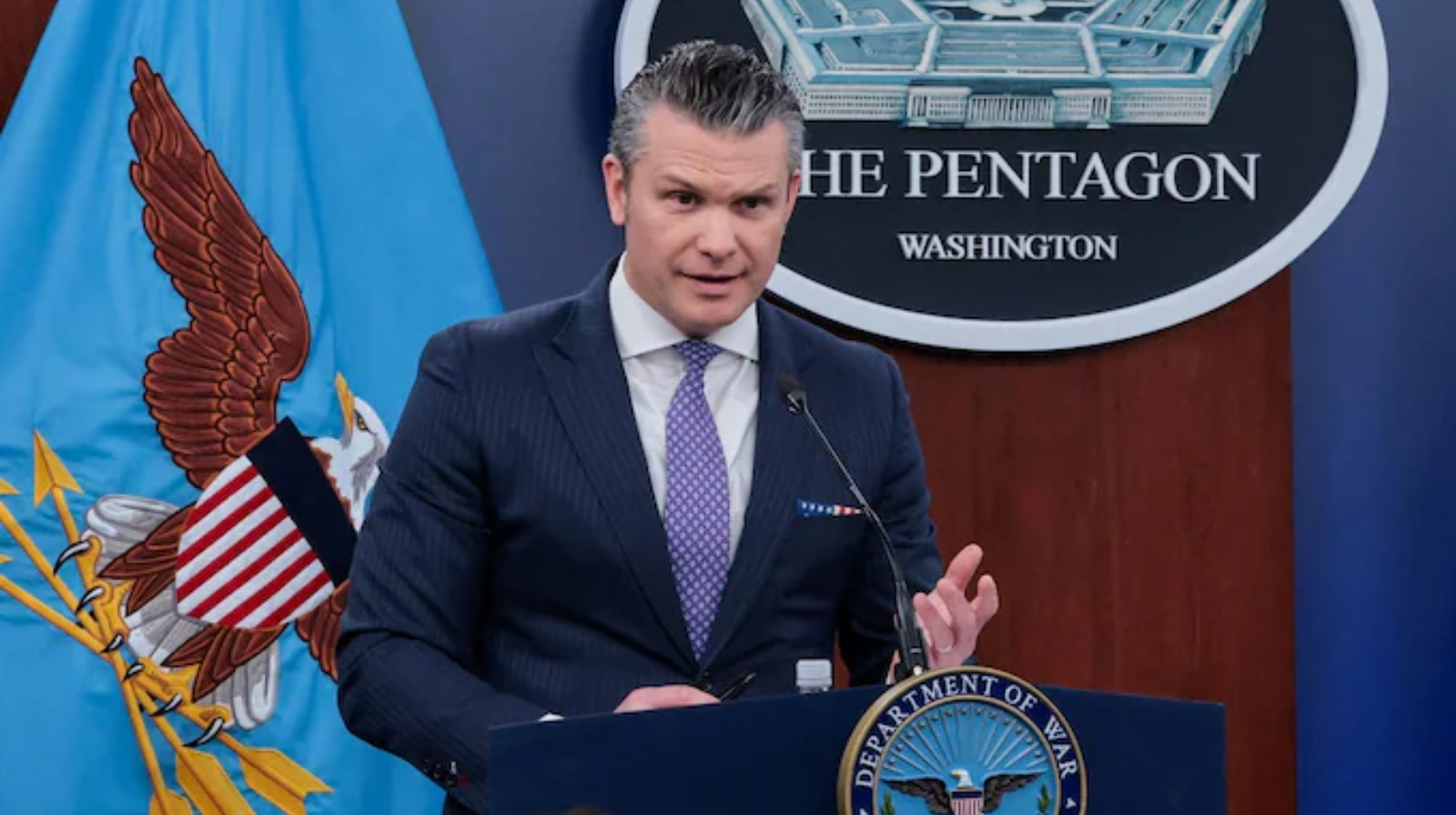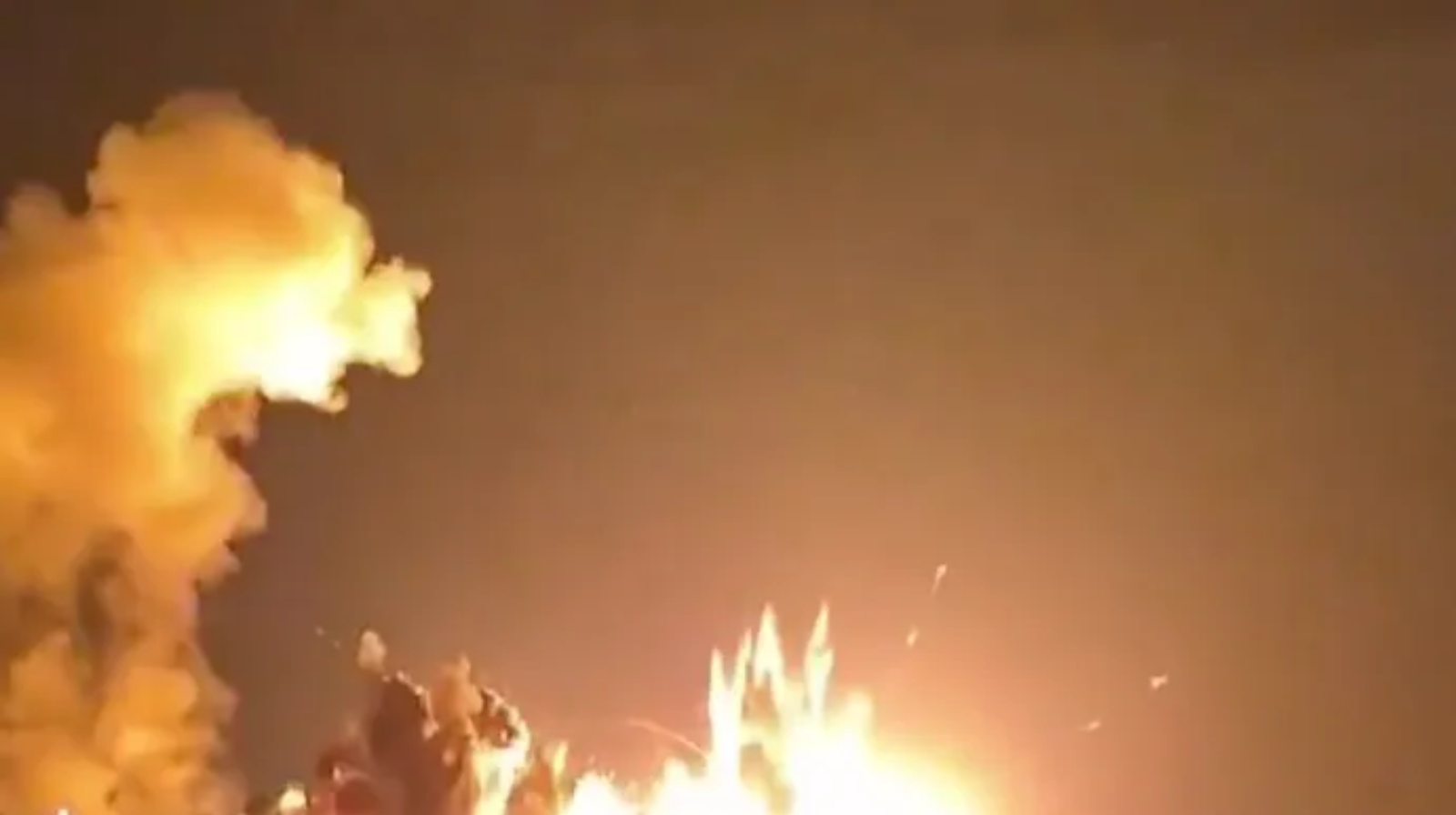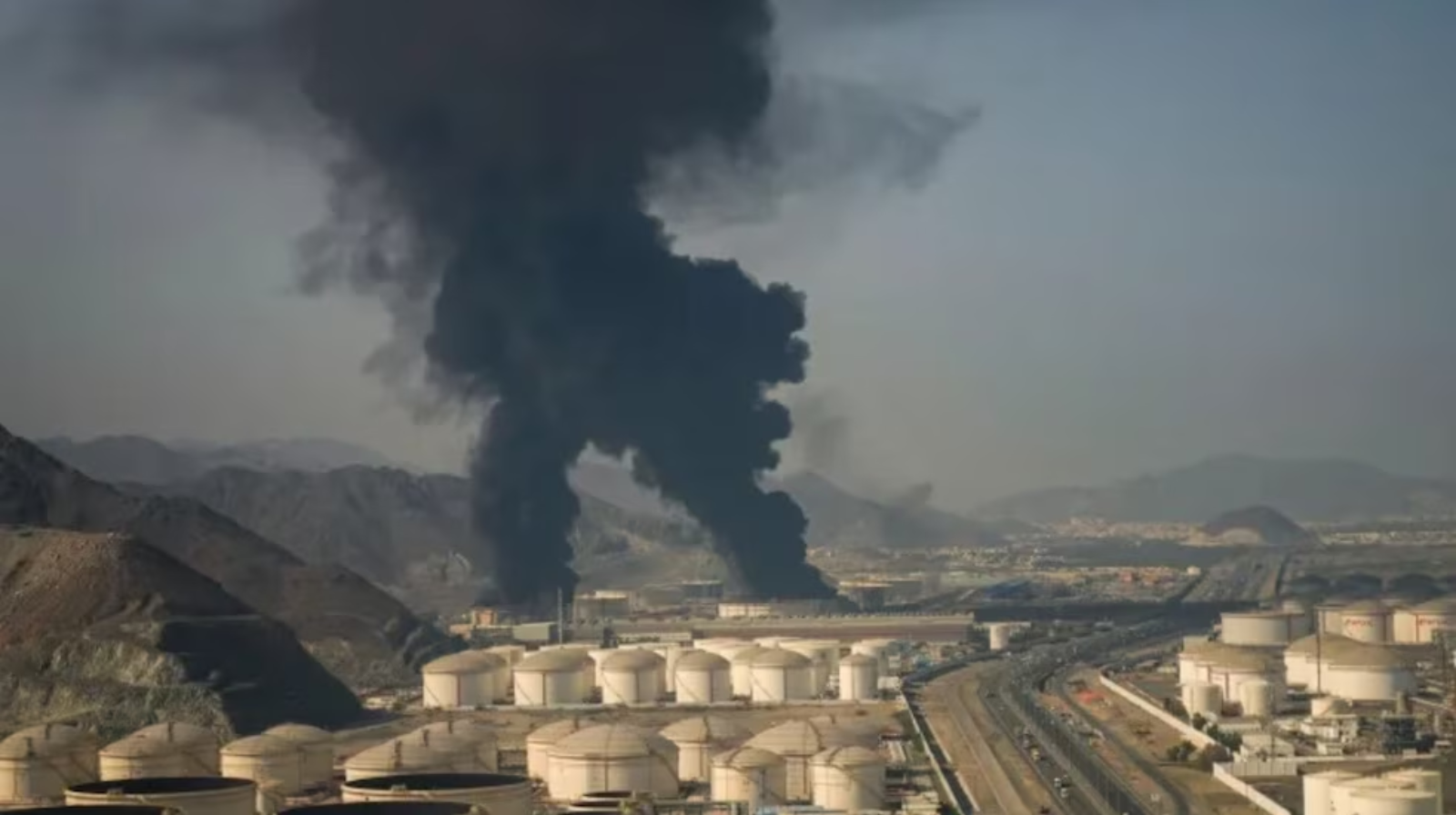
As the conflict with Iran hits a boiling point in early 2026, a sharp strategic divide has emerged. President Trump is hunting for a “win” that settles the markets, while Gulf allies are demanding a “win” that settles the score.
Thank you for reading this post, don't forget to subscribe!The Trump Play: Stabilize and Sanitize
For the White House, the “forever war” fatigue has set in, driven primarily by the global economy.
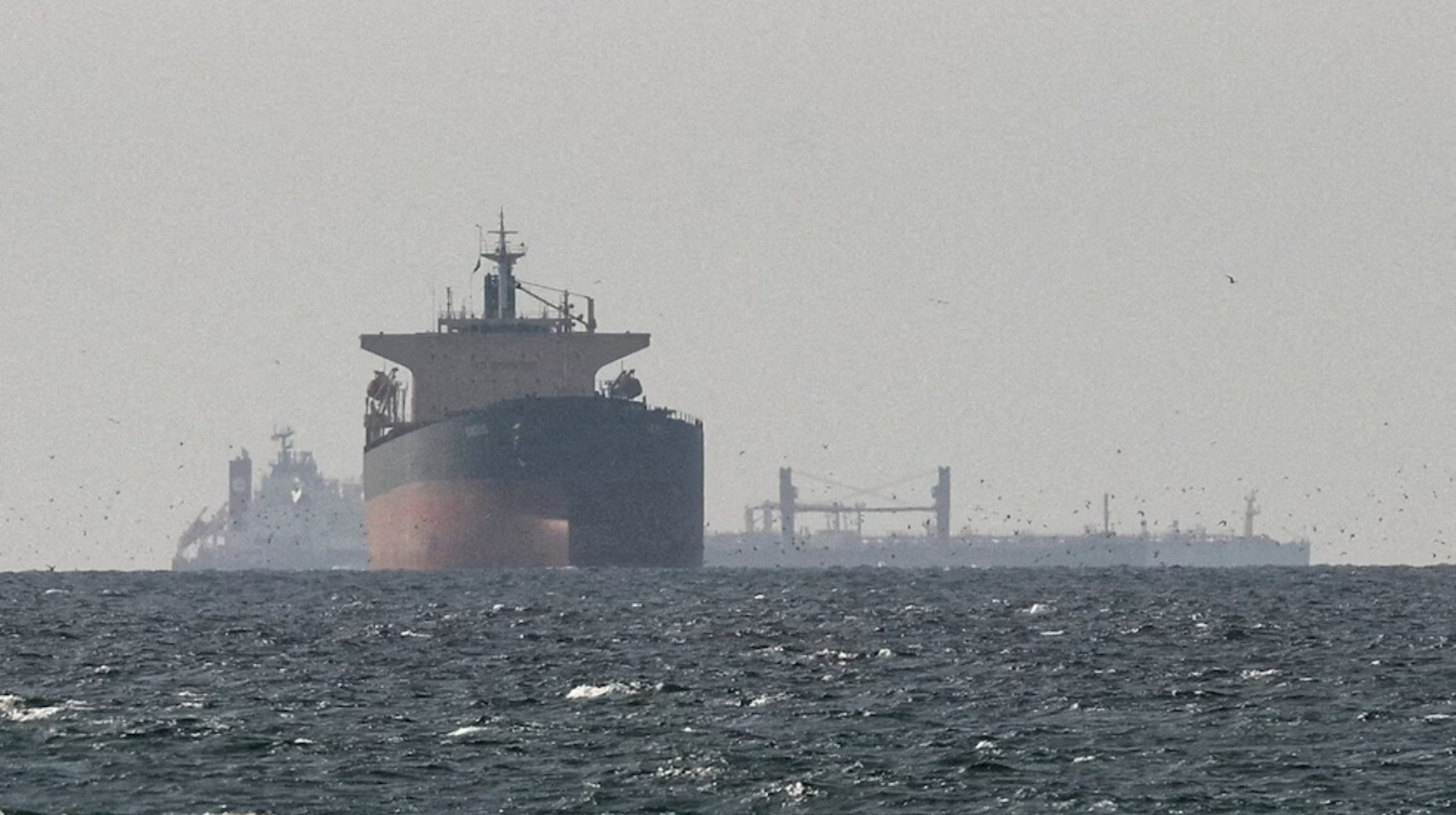
- The Oil Factor: With energy prices skyrocketing, Trump’s priority is reopening the Strait of Hormuz.
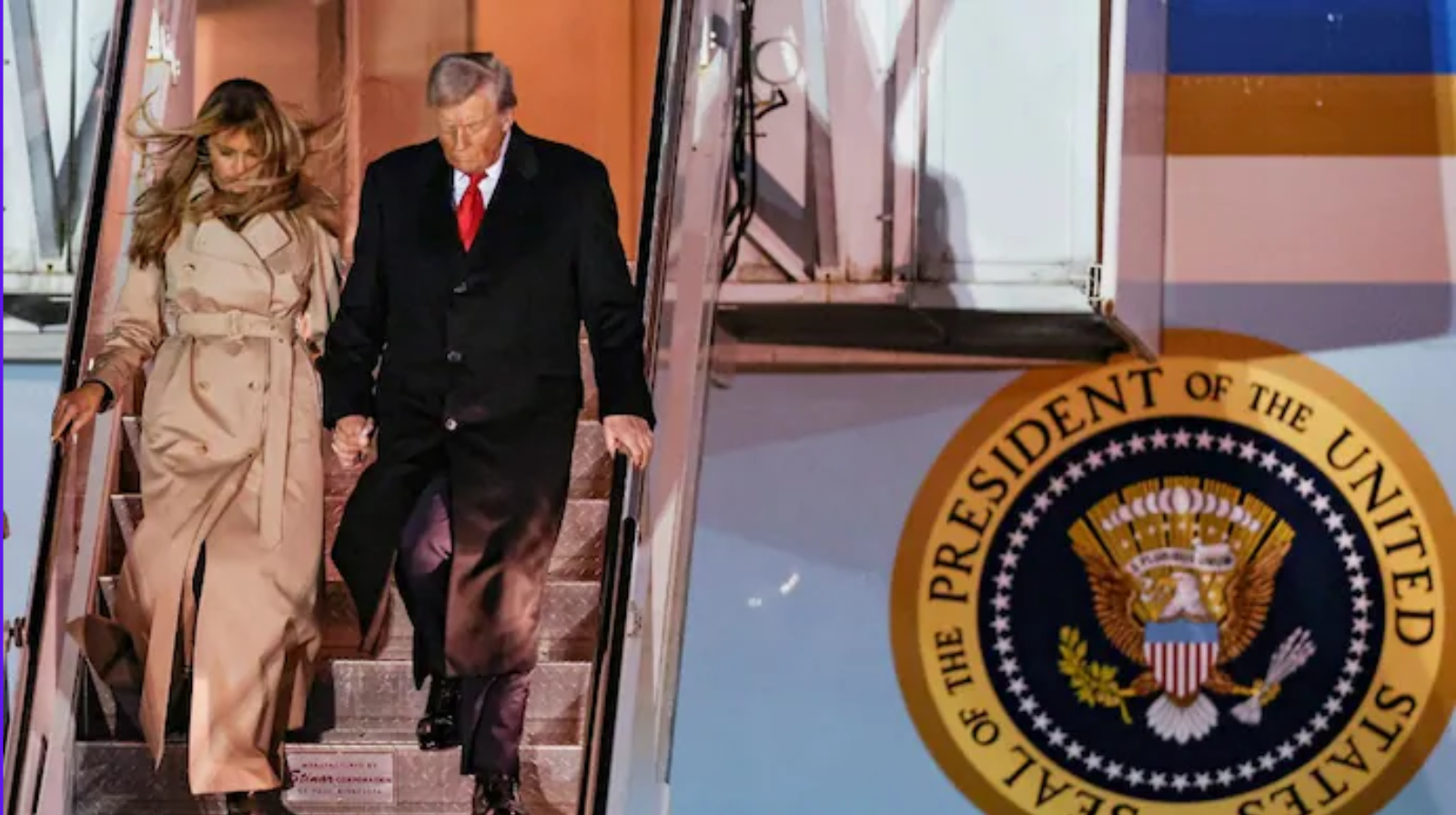
- The “15-Point” Exit: The administration is pushing a diplomatic framework—a month-long ceasefire paired with strict enrichment caps. To Trump, success is defined by a signed deal and a stabilized Dow Jones.
The Ally Counter: “Finish the Job”
- The “Wounded Tiger” Logic: Gulf leadership fears that leaving Iran’s ballistic missile program and IRGC infrastructure intact—even if diminished—simply invites a more vengeful, radicalized neighbor in the future.
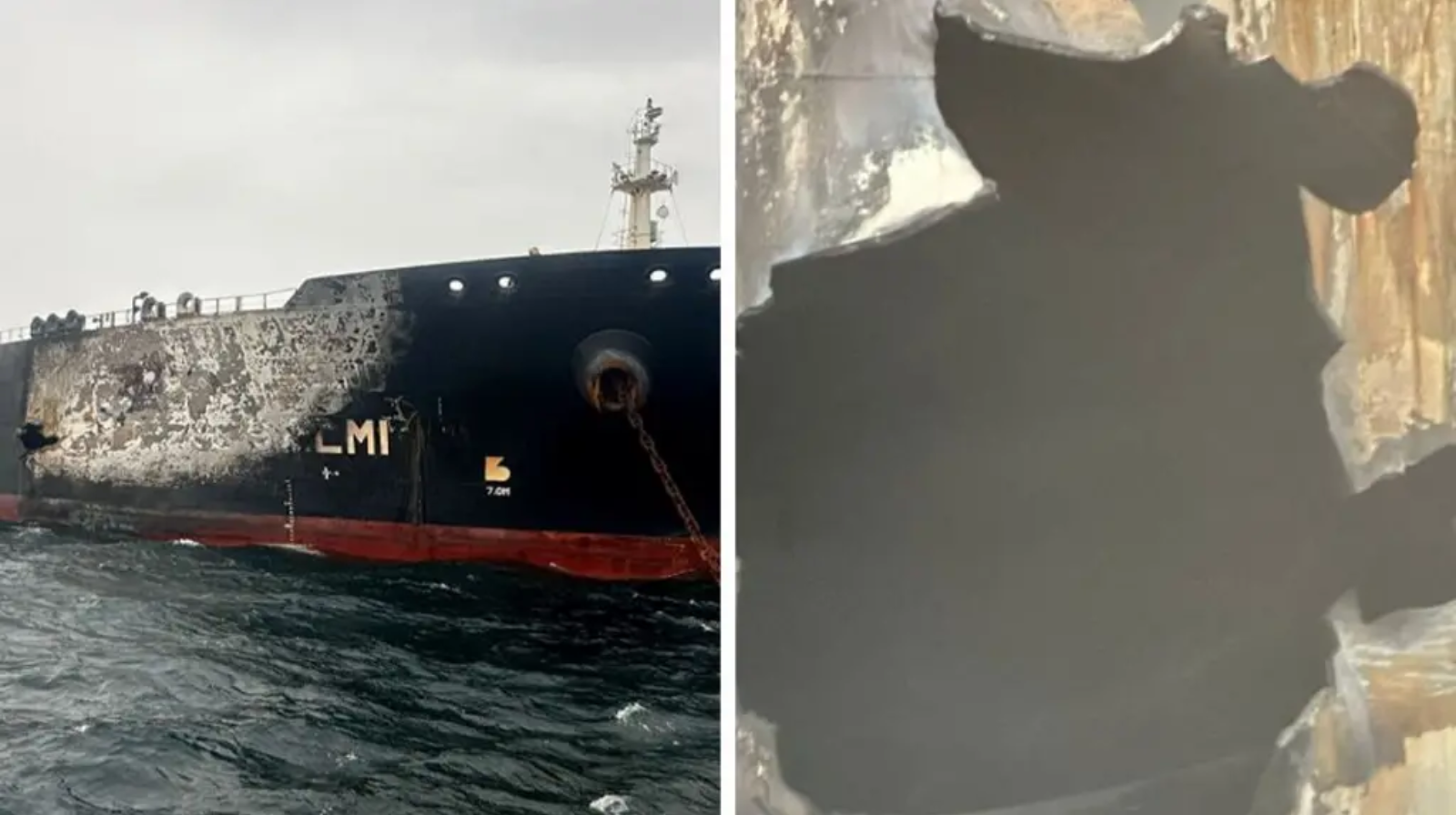
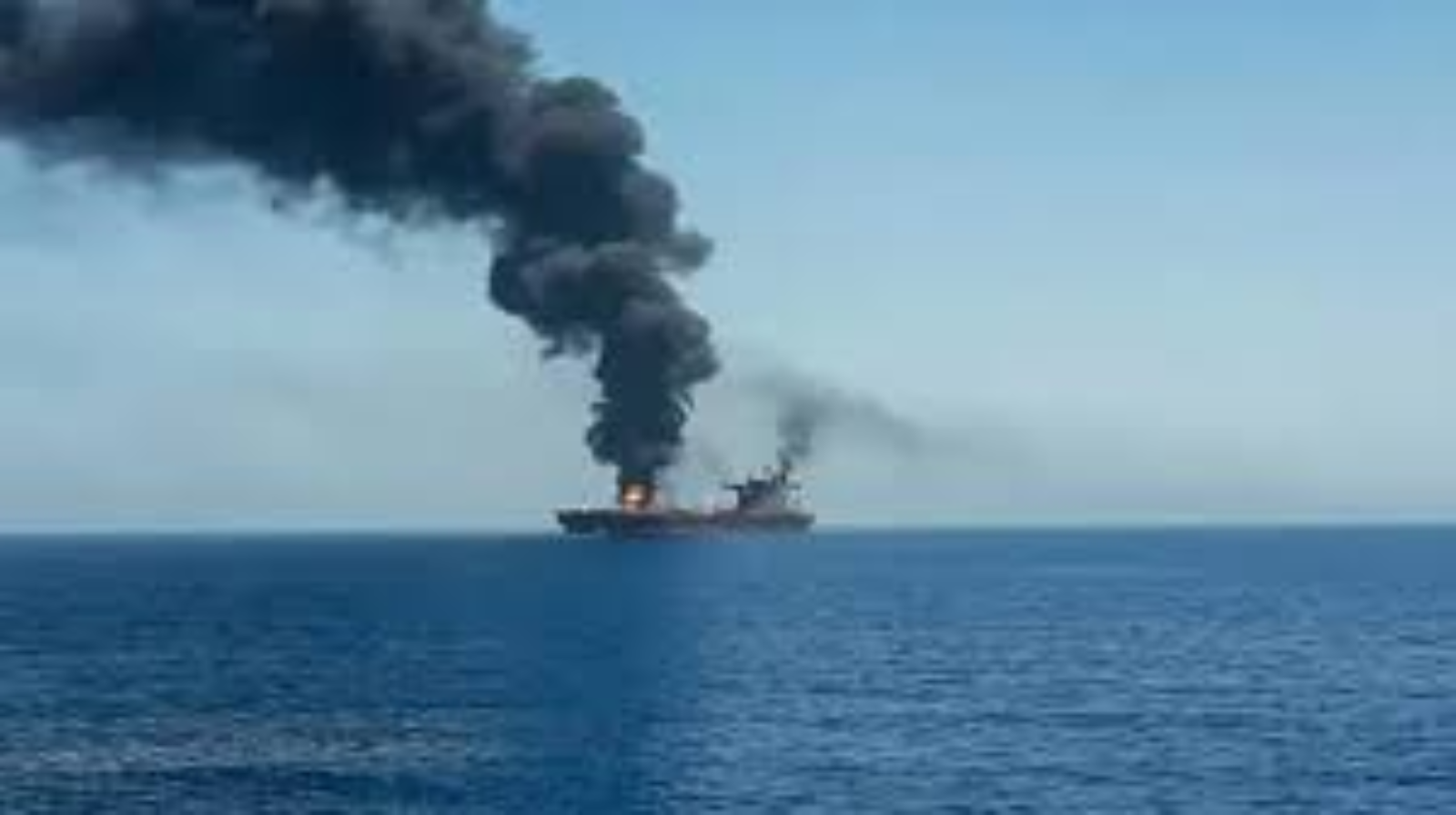
- Sunk Costs: Having already endured thousands of drone and missile strikes during the month of heavy fighting, the Gulf states feel they’ve already paid the “entry fee” of war. They believe stopping now makes their sacrifices meaningless.
- The Security Vacuum: If the U.S. exits while Tehran still possesses regional “teeth,” the Gulf states are left on the front lines of a cold war that could turn hot again at any moment.
Strategic Comparison
| Stakeholder | Goal | Priority |
| U.S. (Trump) | Economic Exit | Lowering oil prices & fulfilling campaign promises. |
| Gulf Allies | Military Decisiveness | Total “defanging” of Iran’s drone and missile reach. |
The Bottom Line
The tension is a classic clash of interests: Washington wants to stop the bleeding of the global economy, while Riyadh and Abu Dhabi want to ensure the threat never heals. For the Arab allies, a “good deal” isn’t a ceasefire—it’s the permanent removal of Iran’s ability to project power.