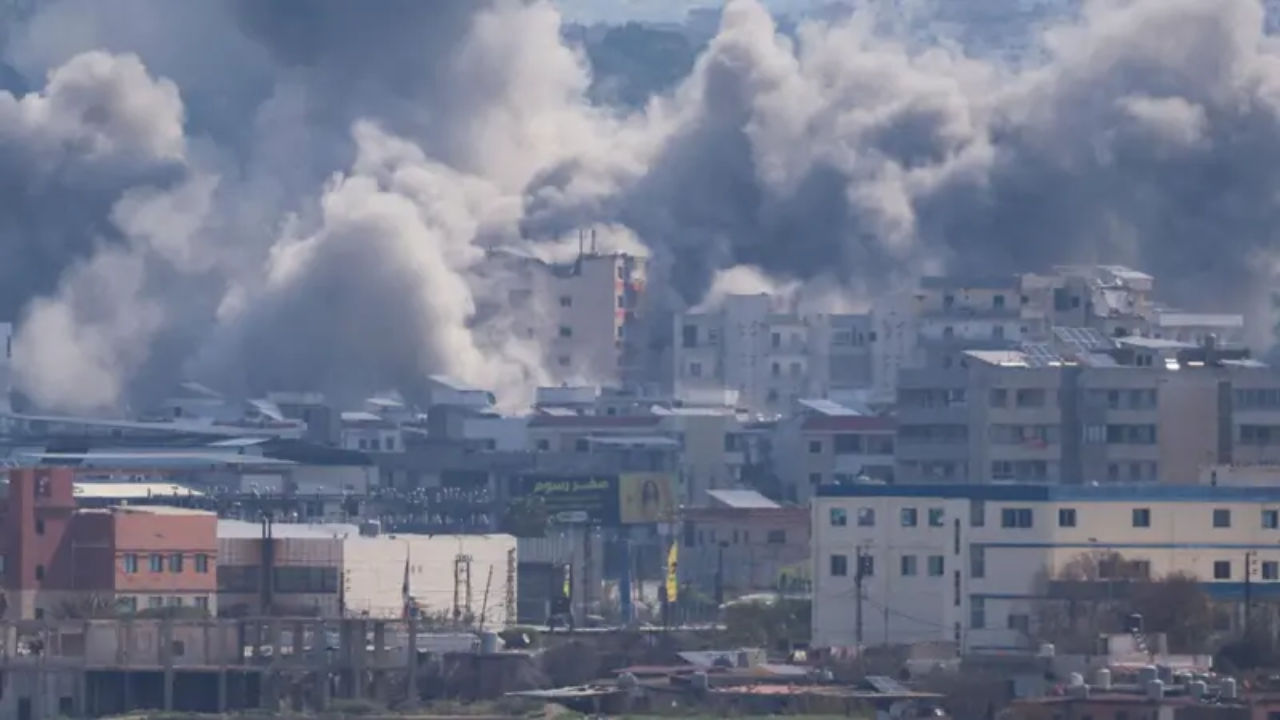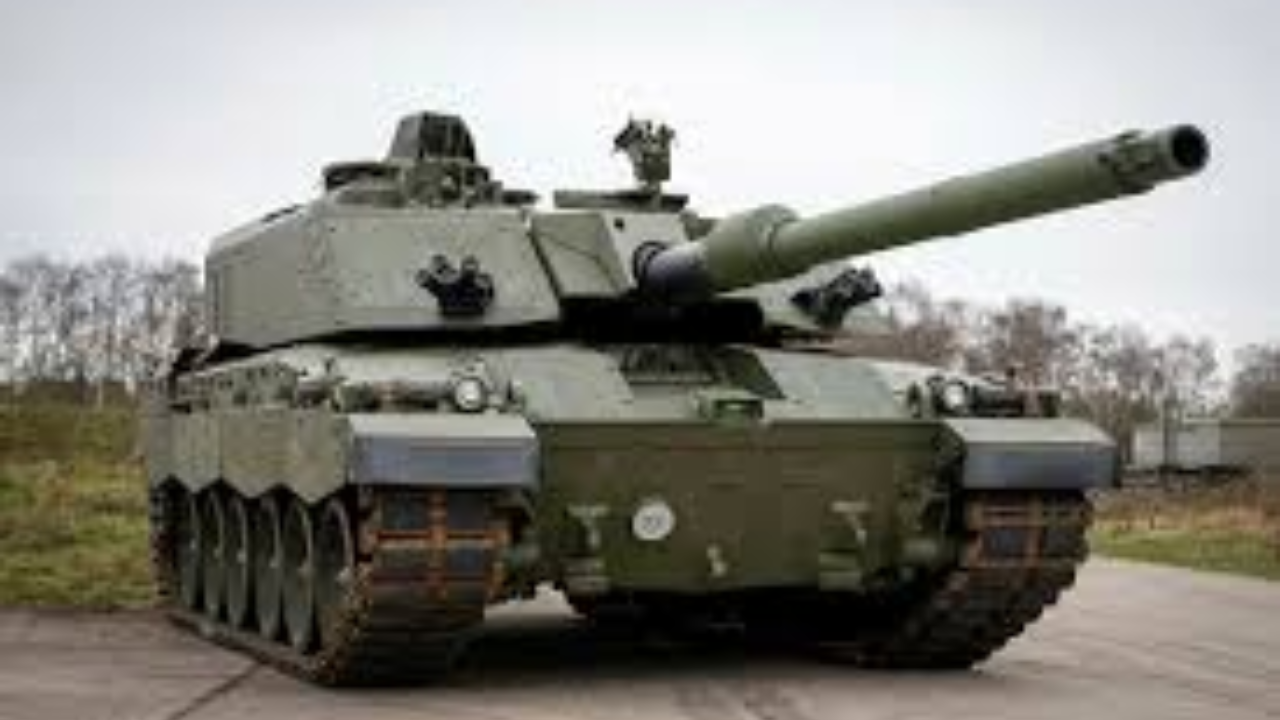
The brutal reality of modern conflict has reached a tipping point. As cheap, maneuverable drones dismantle traditional armored divisions in real-time, the Canadian Army is facing a hardware crisis: how do you justify a multimillion-dollar Main Battle Tank (MBT) that can be neutralized by a $500 hobbyist drone?
Thank you for reading this post, don't forget to subscribe!Under the guidance of Inflection Point 2025, the military is moving away from the “rolling coffin” era and toward a high-tech, integrated future.
1. The Vulnerability Gap
The traditional “heavy metal” philosophy is failing under the pressure of two specific threats:
- Vertical Warfare: FPV (First-Person View) drones target the “soft” top armor of tanks, bypass traditional front-facing defenses.
- The Maintenance Trap: Canada’s Leopard 2 fleet is aging rapidly. With a global scramble for parts, keeping these 30-year-old machines operational has become a logistical nightmare, particularly for troops stationed in Latvia.
2. Strategic Pivots: Defense Before Offense
The Canadian Army’s 2026 outlook suggests that a tank is only as good as the “bubble” protecting it. Consequently, the procurement priority has shifted away from the tanks themselves and toward Counter-UAS (Uncrewed Aerial Systems).
| Priority | Technology | Goal |
| Air Defense | GBAD Systems | Intercepting drones before they reach the frontline. |
| Electronic Warfare | Signal Jamming | Severing the link between drone pilots and their craft. |
| Active Protection | APS (Active Protection Systems) | Radar-guided physical countermeasures that “shoot down” incoming missiles. |
3. The Search for a Successor
While internal debates continue over whether to go fully uncrewed, the Army is eyeing three primary paths for a 2030 replacement:
- The Tech Upgrade: Adopting the Leopard 2A8, which integrates built-in APS and enhanced digital networking.
- The Partnership Model: Looking toward South Korea’s K2 Black Panther or the Redback IFV, focusing on rapid manufacturing and potential domestic assembly.
- The Hybrid Approach: “Optionally manned” platforms that allow soldiers to operate the vehicle remotely during high-risk maneuvers.
The Final Verdict
The Canadian Army isn’t abandoning armor; it is evolving it. The future of Canadian warfare won’t rely on the thickness of a tank’s steel, but on the sophistication of its electronic shield. To survive on the 2026 battlefield, the tank must transition from a solitary predator to a networked hub in a much larger, automated web of defense.
“We are no longer just buying a vehicle; we are buying a mobile fortress that must win the war in the electromagnetic spectrum before it ever fires a shell.”