The Threat: China’s “No-Go Zone”
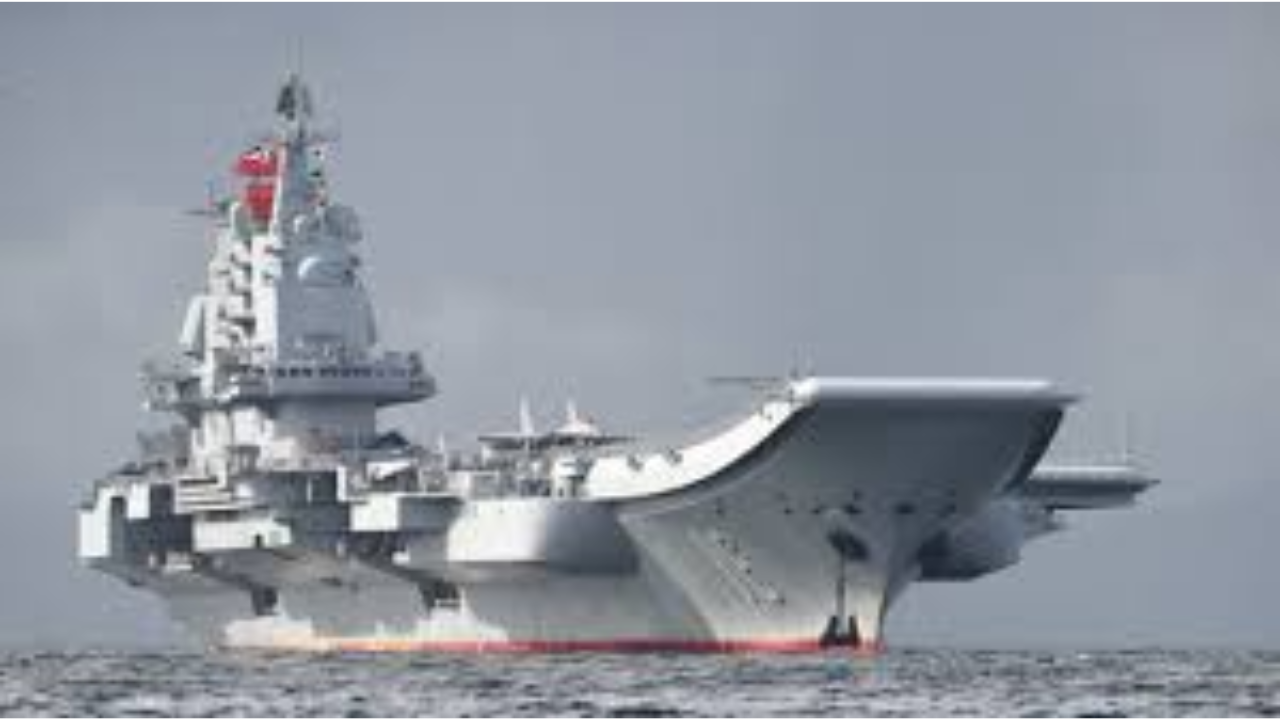
the US Navy operated with impunity in the Pacific. That era is ending due to Beijing’s Anti-Access/Area Denial (A2/AD) capabilities. China has developed a “kill web” designed to keep US forces at a distance:
Thank you for reading this post, don't forget to subscribe!- Hypersonic “Carrier Killers”: Missiles like the DF-21D and DF-17 can travel at speeds exceeding Mach 5 with unpredictable flight paths, making them nearly impossible to intercept.
- Drone Swarms: By using mass-produced, low-cost drones, China can “saturate” a carrier group’s defenses, forcing them to deplete their expensive interceptor missiles before the main strike arrives.
The Solution: “Unsinkable Aircraft Carriers”
To survive, the Pentagon is looking backward to move forward. Washington is reviving the “Island Strategy” used during World War II, shifting from a few large targets to a massive network of dispersed, land-based sites.
Unlike a carrier, a coral island cannot be sunk. While its runways can be bombed, they can be repaired in hours—a strategy the US calls Agile Combat Employment (ACE).
Key Strategic Nodes in the New Network
The US is pouring billions into upgrading remote airfields to create a “distributed posture”:
- The Central Pacific (Tinian & Palau): The US is clearing jungle growth from WWII-era runways on Tinian and upgrading infrastructure in Palau and Yap to host F-35 fighter jets.
- The Philippines: Under recent defense agreements, the US is gaining access to sites that provide a “front-row seat” to any potential conflict in the Taiwan Strait.
- The Indian Ocean Gatekeeper (Cocos Islands): Australia’s Cocos (Keeling) Islands are being prepped for maritime surveillance aircraft. This allows the US-Australia alliance to “plug” the Malacca Strait, potentially cutting off China’s energy supplies in a war.
The Big Picture
By spreading its jets, fuel, and missiles across dozens of tiny islands instead of a single $13 billion ship, the US aims to:
- Complicate China’s Math: Beijing can no longer win by hitting one or two “high-value” targets.
- Ensure Survival: If one base is destroyed, ten others remain active.
- Maintain Intervention: This network ensures the US can still defend Taiwan even if its carriers are forced to stay thousands of miles away.