Starbucks once embodied the aspirational, Western lifestyle for China’s burgeoning middle class. For nearly three decades, the coffee giant was unstoppable, opening a new store every 15 hours at its peak, transforming a tea-drinking nation into a coffee market and making China a cornerstone of its global strategy.
Thank you for reading this post, don't forget to subscribe!But that era is officially over.
Starbucks has announced it will sell the controlling stake (up to 60%) of its Chinese retail operations to local investment firm Boyu Capital. The US company will retain a 40% minority stake and license the brand, but the shift marks a decisive surrender of its former dominance.
The New Coffee Cold War
The decision isn’t a surprise to those watching China’s increasingly fierce consumer landscape. The challenge facing Starbucks is threefold:
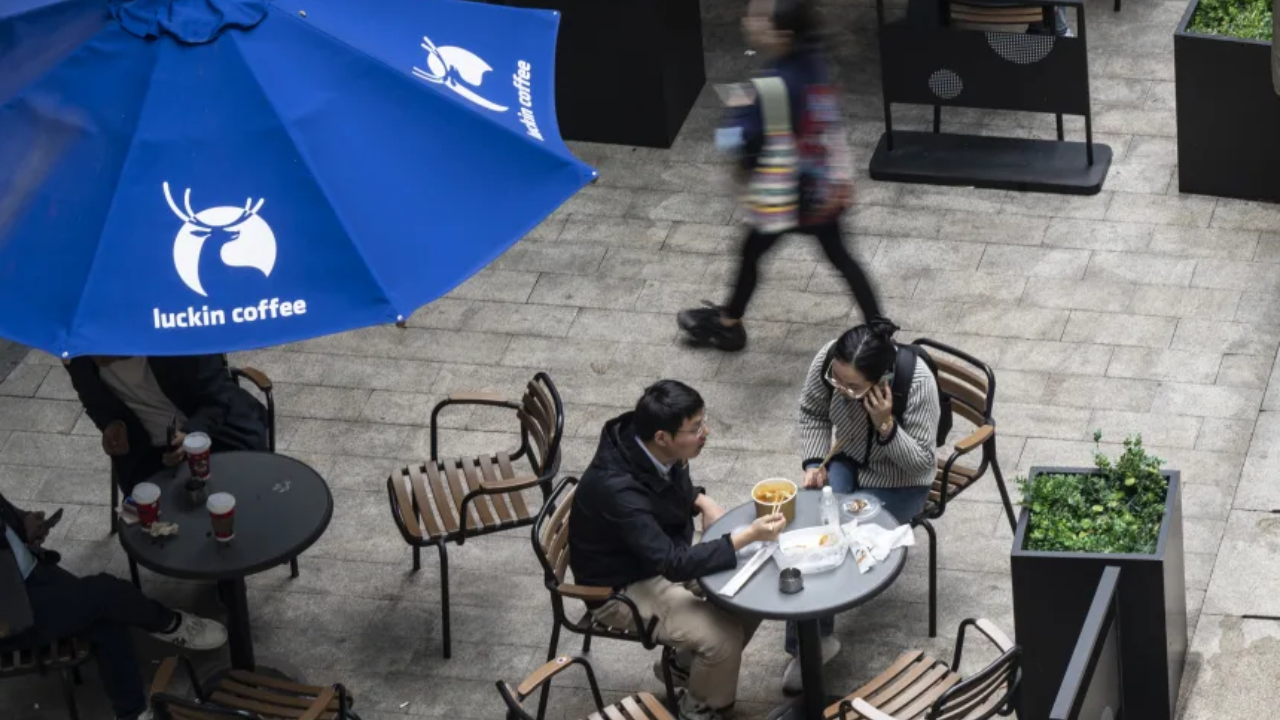
- The Luckin Onslaught: The biggest domestic threat, Luckin Coffee, has not only overtaken Starbucks in store count (boasting three times as many outlets) but also in sales, selling coffee for as little as one-third of Starbucks’ prices. This is the new normal.
- The Rise of Homegrown Brands: China’s young consumers are increasingly cost-conscious and actively prefer to support local heroes. From the low-cost giant Mixue Bingcheng (backed by Starbucks’ new partner, Boyu Capital) to trendy tea rivals like ChaGee and HeyTea, the market is crowded with agile, innovative competitors.
- A Weaker Economy: Broader economic headwinds—including high youth unemployment and a sluggish property market—have made the Chinese consumer more hesitant to spend. Starbucks felt this pinch, reporting a 1% decline in same-store sales in fiscal 2025, driven by customers spending less per transaction.
An Accessible Luxury No More
Starbucks’ original positioning as an “accessible luxury” has been completely eroded. Competitors are constantly innovating flavors and offering massive discounts, leaving Starbucks feeling, as one finance worker noted, like it’s “playing it safe” with its menu.
Experts view the divestment as a “quick-fix” to a deeper problem. While the new partnership could boost competitiveness through local insight (like menu innovation and digital transformation), the joint venture faces “tough battles” ahead.
Starbucks CEO Brian Niccol remains bullish, stating the goal is to grow from 8,000 stores to more than 20,000 over time. However, the path to that growth is now firmly in the hands of a Chinese partner, leaving many to wonder: Will this new chapter see the iconic brand drop its prices to compete with the domestic giants?
Key Takeaways for Business:
- Localization is King: Even massive global brands must eventually hand over control to deeply local expertise to survive hyper-competitive markets.
- The Price War is Real: For China’s cost-conscious Gen Z, price and speed often trump the “high-end” atmosphere of legacy Western brands.
Would you like me to rewrite this post with a specific focus, such as a business school case study angle or a purely financial perspective?