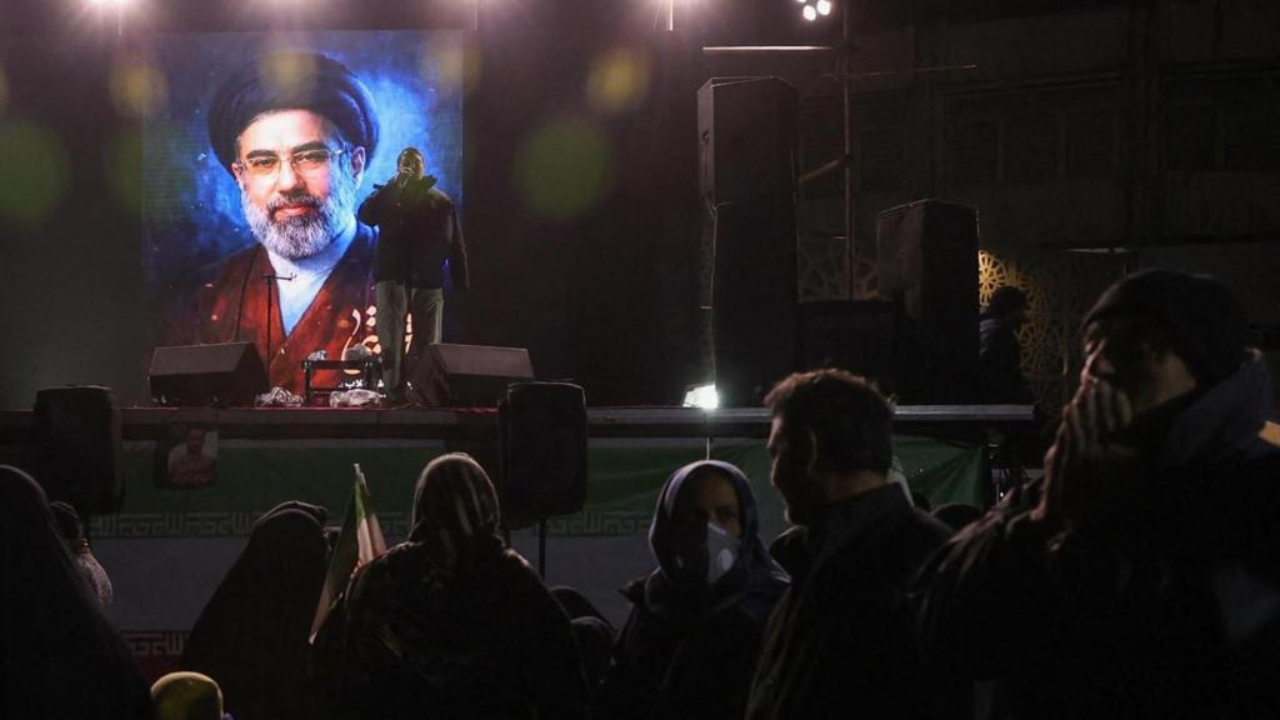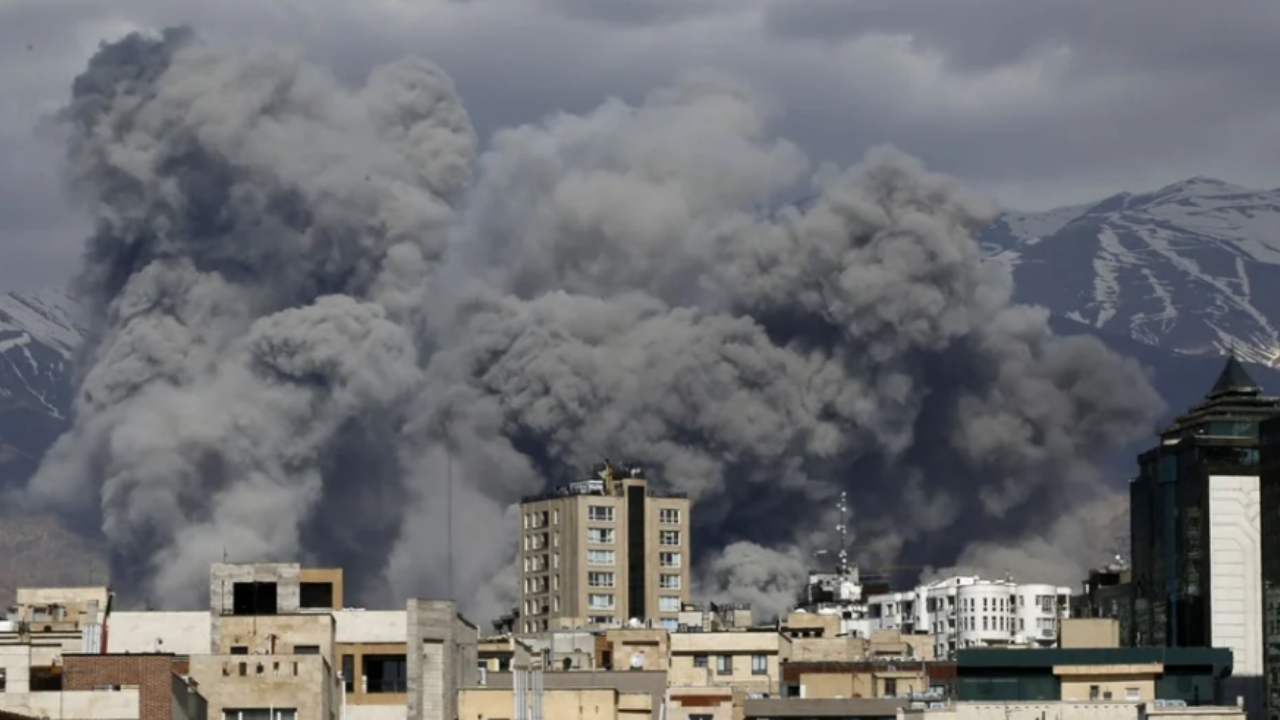
In the bustling districts of Tehran, there is a weary joke circulating among the locals: the protest posters don’t need a redesign, and the choir doesn’t need a new setlist. As one resident put it bluntly, “They don’t even need to change the chants.”
Thank you for reading this post, don't forget to subscribe!It is a statement dripping with “black humor,” but it points to a sobering reality. In many parts of the world, political movements evolve with new vocabulary. In Iran, however, the grievances are so deeply rooted—and the response from the top so predictable—that decades-old cries for “Bread, Jobs, and Freedom” remain as fresh as the day they were first shouted.
Why the “Script” Stays the Same
- The Economic Loop: With inflation consistently squeezing the middle class, the demand for basic dignity hasn’t changed since the 1970s.
- Generational Dejavu: A student in 1999 and a Gen Z protester in 2026 find themselves using the same metaphors for the same walls.
- The Persistence of the Status Quo: When the underlying system remains rigid, the language of the resistance remains locked in place.
The Power of the “Recycled” Chant
There is a certain efficiency in this repetition. When a slogan survives for forty years, it stops being just a phrase and becomes a historical thread. By using the same chants, the current generation isn’t just shouting for themselves; they are picking up a torch left by their parents and grandparents.
The resident’s observation isn’t just about a lack of creativity—it’s a testament to a long, unbroken struggle where the questions remain unanswered, and the answers remain unheard.