We have reached a tipping point where the chemical “fingerprint” of industrialization is present in almost every bite we take. To fix this, we don’t just need better labels; we need to re-engineer the food system from the molecular level up.
Thank you for reading this post, don't forget to subscribe!I. The Packaging Pivot: From Barrier to Bio-Compatible
- The End of Forever Chemicals: Global bans on PFAS (per- and polyfluoroalkyl substances) are the first step. The next is replacing them with plant-derived waxes and cellulose-based barriers.
- Decentralized Refillables: Designing “closed-loop” logistics where durable containers (glass/steel) are tracked via IoT, cleaned, and reused, eliminating the need for single-use plastic liners.
II. Agricultural Architecture: Healing the Source
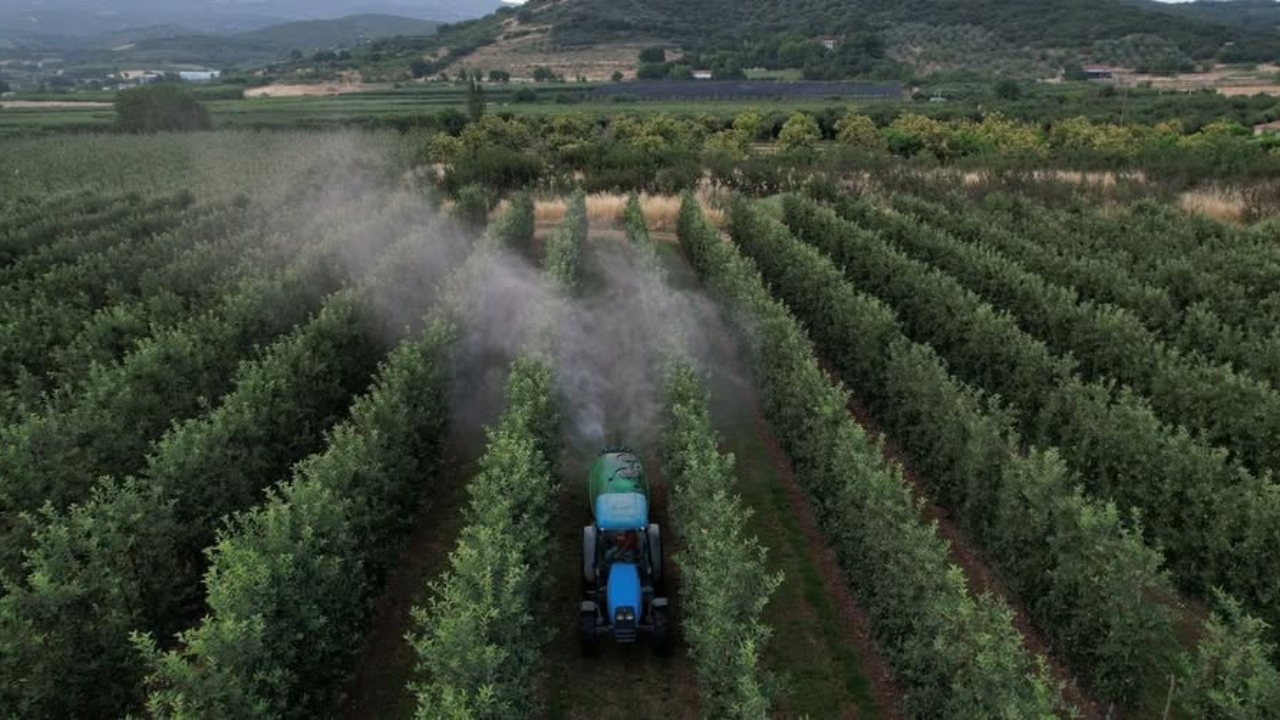
Designing out toxins starts in the dirt. If the soil is contaminated, the harvest is a delivery vehicle for toxins.
- Agroecology at Scale: Moving away from monocultures that require chemical warfare (pesticides) toward diverse “polycultures” that use natural biology to manage pests.
- Bio-Fertilizers: Replacing synthetic, heavy-metal-laced fertilizers with microbial inoculants that fix nitrogen naturally, keeping the water table and the produce clean.
III. Radical Processing Transparency
The “black box” of food processing—where additives, solvents, and heat-induced toxins like acrylamide are born—needs a redesign.
- Green Solvent Substitution: Replacing petroleum-based solvents (like hexane) with supercritical $CO_2$ or water-based extraction methods for oils and proteins.
- Thermal Optimization: Redesigning industrial cooking equipment to prevent the formation of carcinogenic byproducts during high-heat processing.
IV. The Digital Guardrail
We cannot manage what we cannot measure. A “clean” food system requires a real-time feedback loop.
- Molecular Mapping: Utilizing mass spectrometry and AI to create a “chemical map” of the supply chain, identifying exactly where lead, arsenic, or phthalates are entering the stream.
- Smart Certification: Moving from “Organic” (which focuses on what isn’t used) to “Regenerative & Pure” (which verifies the final product is free of systemic contaminants).
The Bottom Line
Designing chemicals out of our food isn’t just a health trend; it’s a civilizational upgrade. It requires a shift from “Chemistry for Convenience” to “Chemistry for Life.” By treating the food system as a biological circuit rather than an industrial assembly line, we can ensure that nourishment remains just that—nourishing.