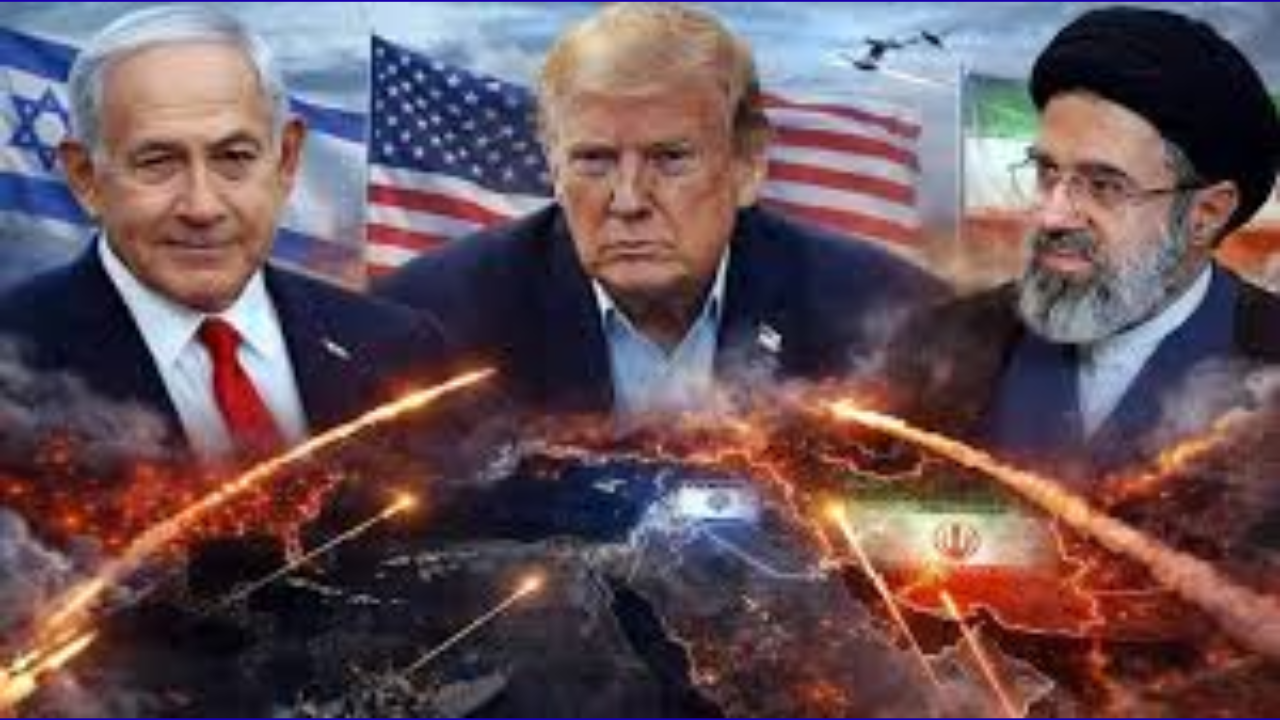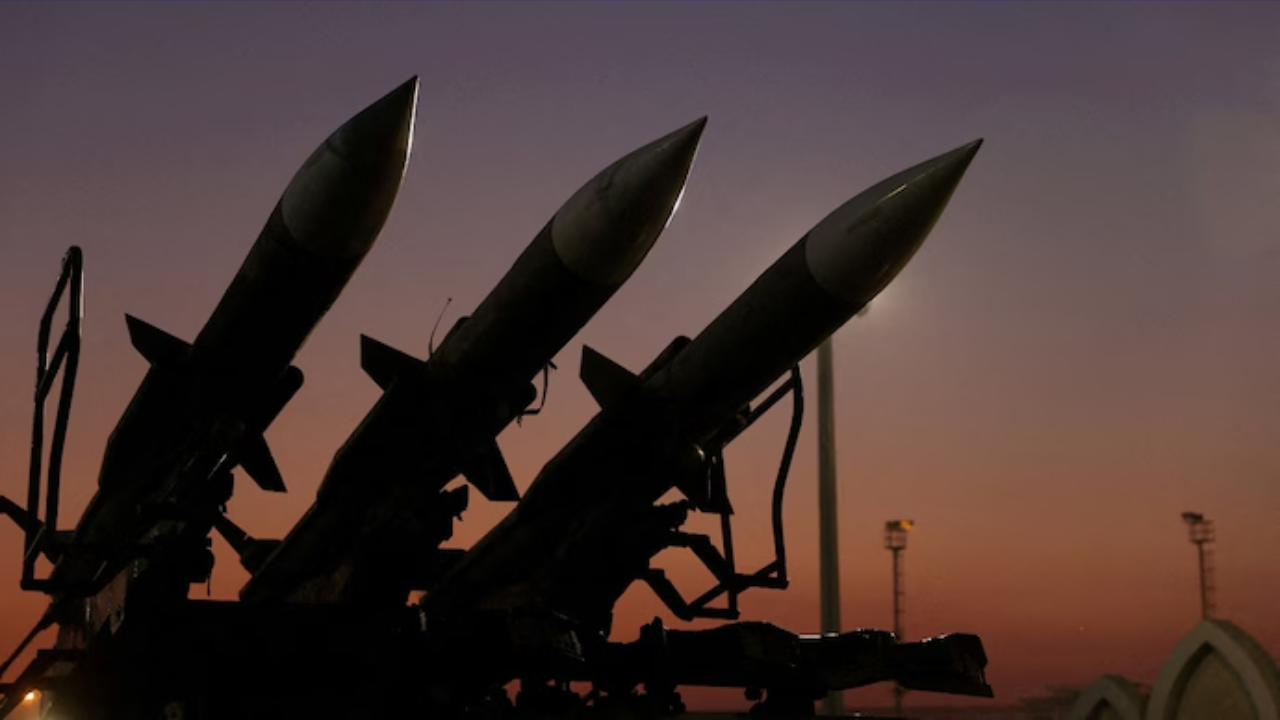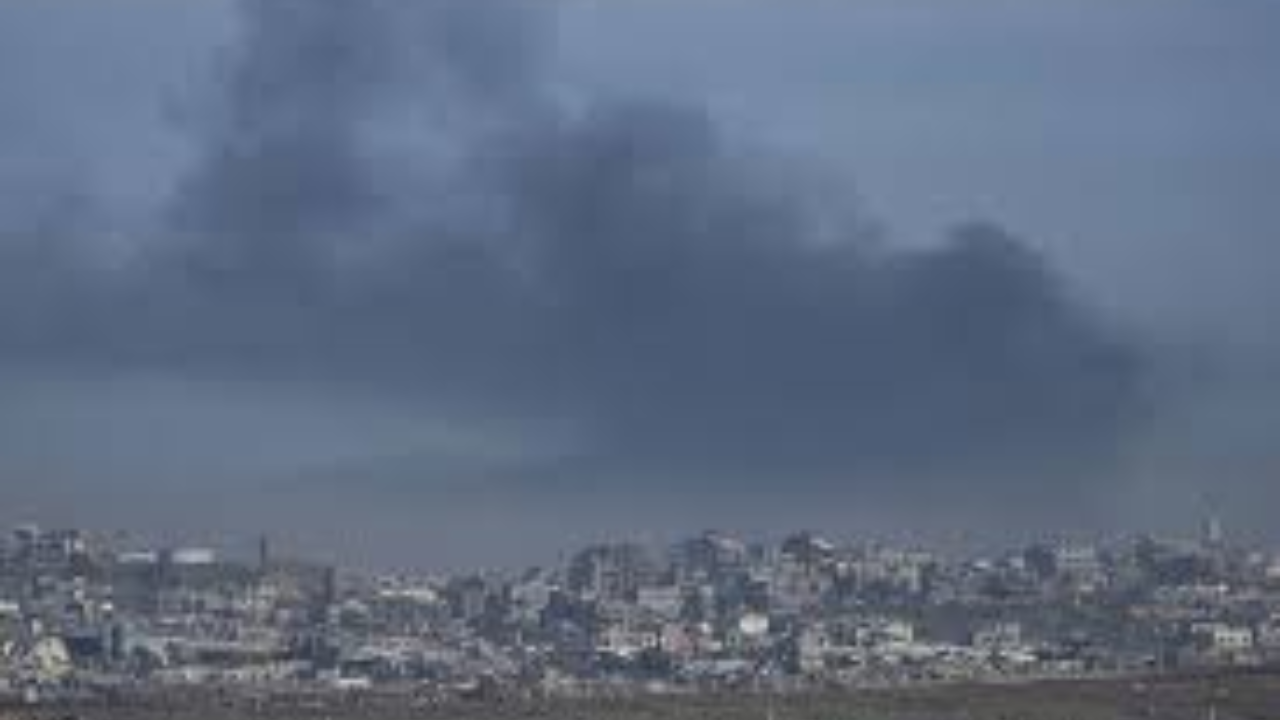
The current ceasefire is a paradox: it is simultaneously a massive disaster averted and a dangerous case of kicking the problem down the road. While the immediate threat of total war has receded, the underlying fuse remains lit.
Thank you for reading this post, don't forget to subscribe!The Sigh of Relief
The economic benefits were felt instantly:
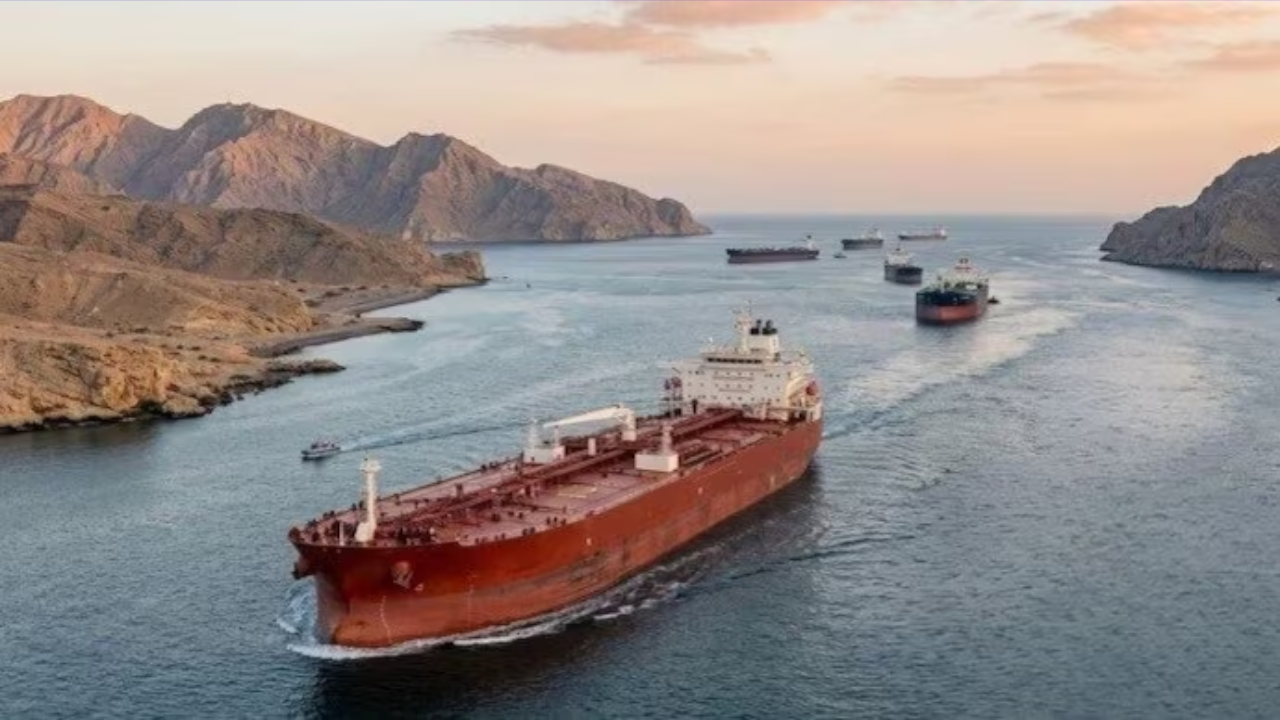
- Energy Security: The Strait of Hormuz is once again open for maritime traffic.
- Market Stability: Global oil prices have begun to retreat from their recent peaks as the “war premium” fades.
A War on Pause
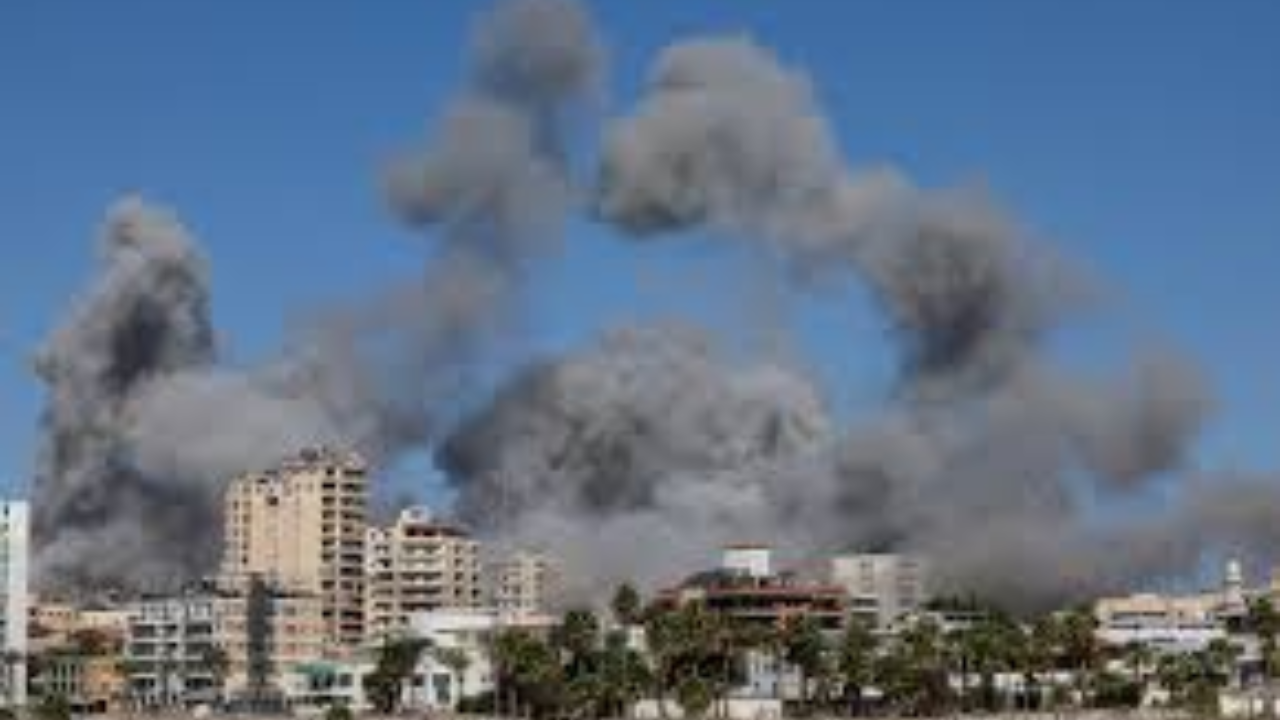
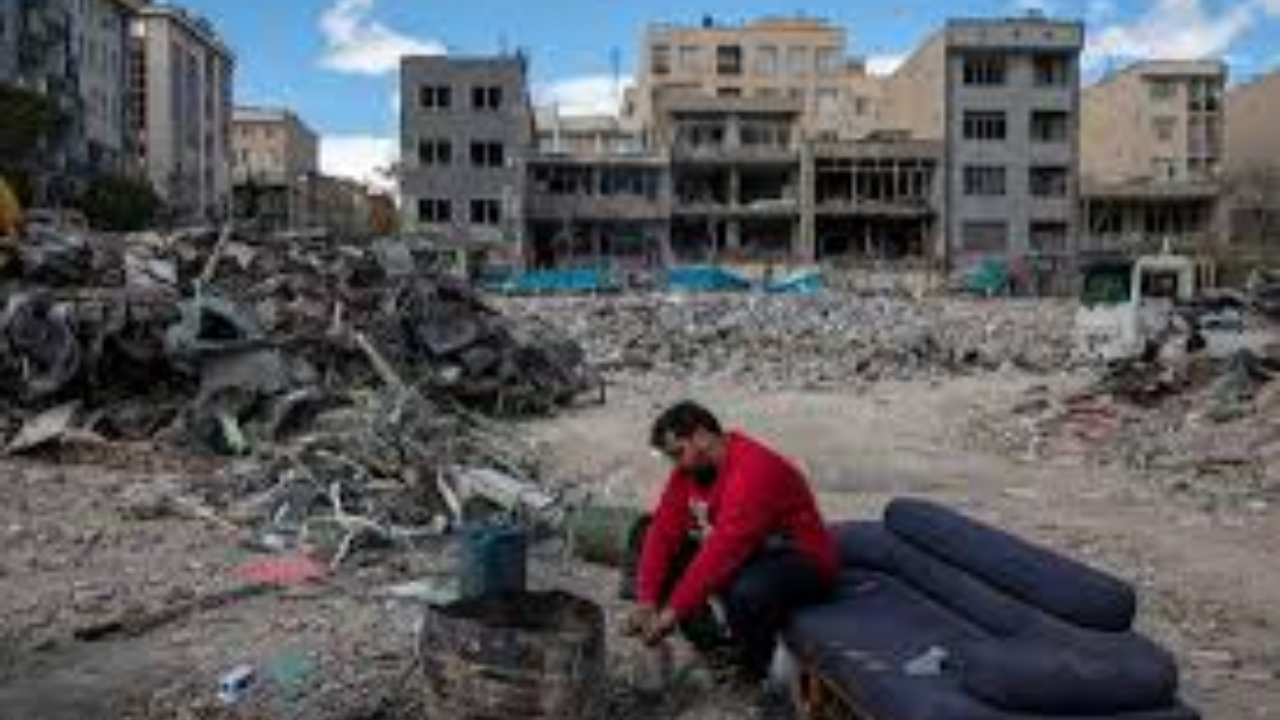
- Regional Instability: Residents in Bahrain were jolted awake today by the sound of incoming Iranian drones and subsequent explosions, proving that kinetic action has not fully ceased.
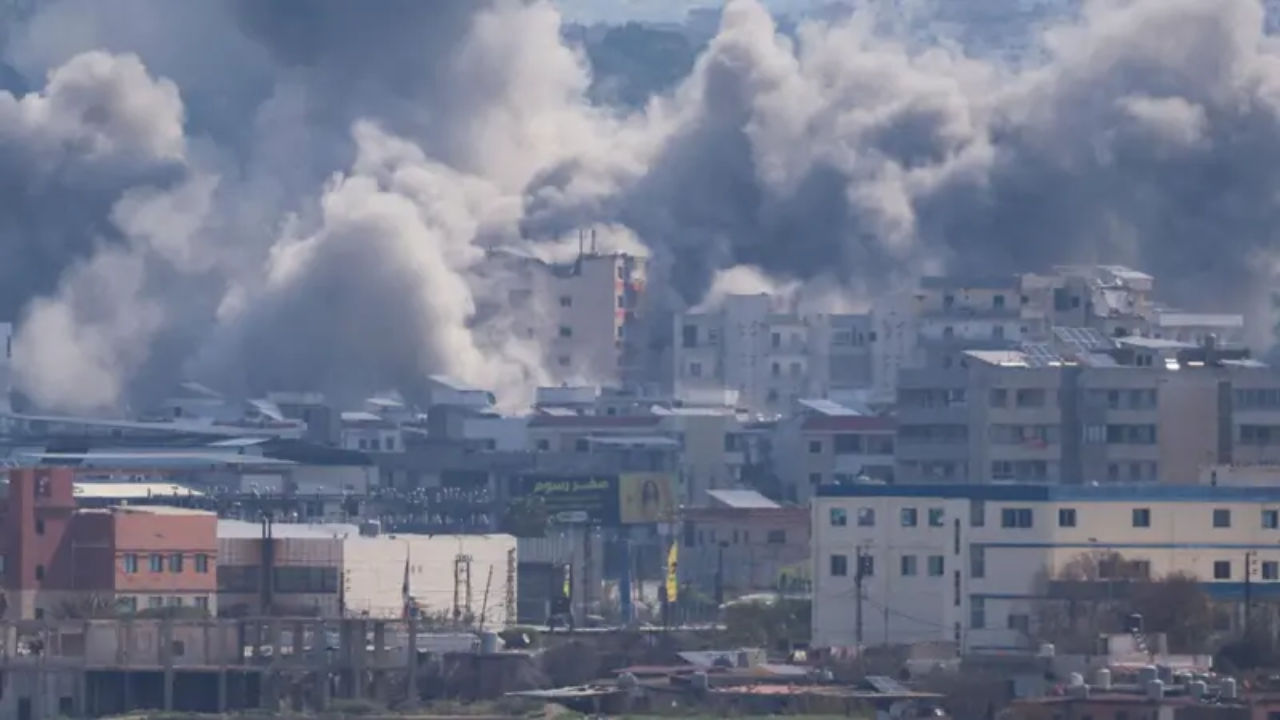
- The Northern Front: Israel has made it clear that its operations against Hezbollah will continue regardless of the broader U.S.-Iran agreement.
The Roadblocks Ahead
The fundamental issues that sparked the crisis remain entirely unresolved. The negotiating teams are separated by a vast diplomatic chasm on several “red line” issues:
- Maritime Sovereignty: Disagreement over who holds ultimate authority over the Strait of Hormuz.
- Financial Restitution: The contentious demand for reparations for damages incurred during the escalation.
- The Nuclear Question: Zero consensus on the future of Iran’s nuclear enrichment capabilities.