In a high-profile meeting on March 5, 2026, Prime Ministers Mark Carney (Canada) and Anthony Albanese (Australia) presented a unified front regarding the volatile situation in the Middle East. While their tone was diplomatic, their message to Tehran was blunt.
Thank you for reading this post, don't forget to subscribe!1. The Nuclear “Red Line”
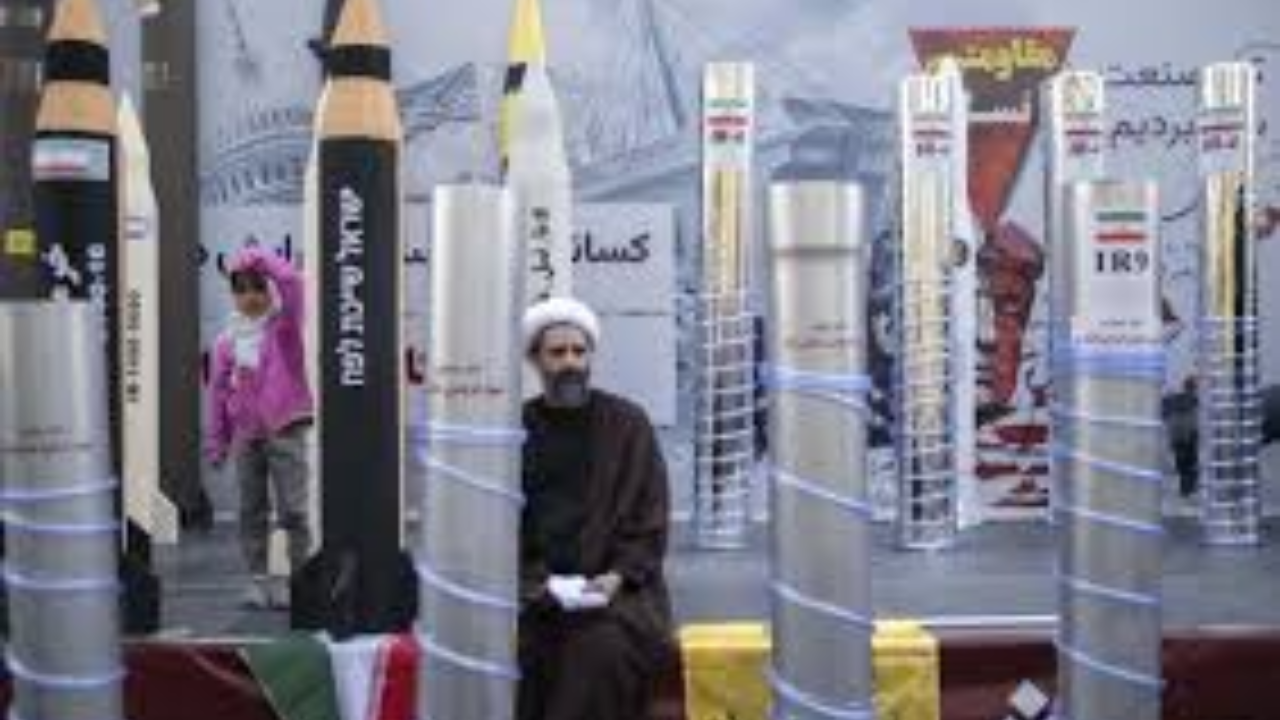
Both leaders agreed that a nuclear-armed Iran is a non-starter for global security. They asserted that any long-term peace deal is contingent on the permanent dismantling of Iran’s nuclear enrichment capabilities.
2. A Call for De-escalation
Despite the firm stance on nukes, the leaders shifted toward a more cautious tone regarding recent military strikes:
- Canada’s Pivot: Prime Minister Carney, who previously voiced stronger support for U.S. interventions, expressed “regret” over the current scale of violence.
- Legal Concerns: Carney signaled that recent unilateral strikes by the U.S. and Israel might sit on shaky ground regarding international law.
- Civilian Safety: A major emphasis was placed on protecting civilian infrastructure and praising the restraint of Gulf nations.
3. Military Ambiguity
When pressed on whether Canada or Australia would join the fight if the “shadow war” turns into a full-scale invasion:
- Albanese remained focused on diplomatic pressure.
- Carney called the possibility a “fundamental hypothetical,” notably refusing to rule it out entirely while emphasizing that a political solution remains the priority.
Quick Snapshot: Recent Escalations
The urgency of the meeting was driven by three major military flashpoints:
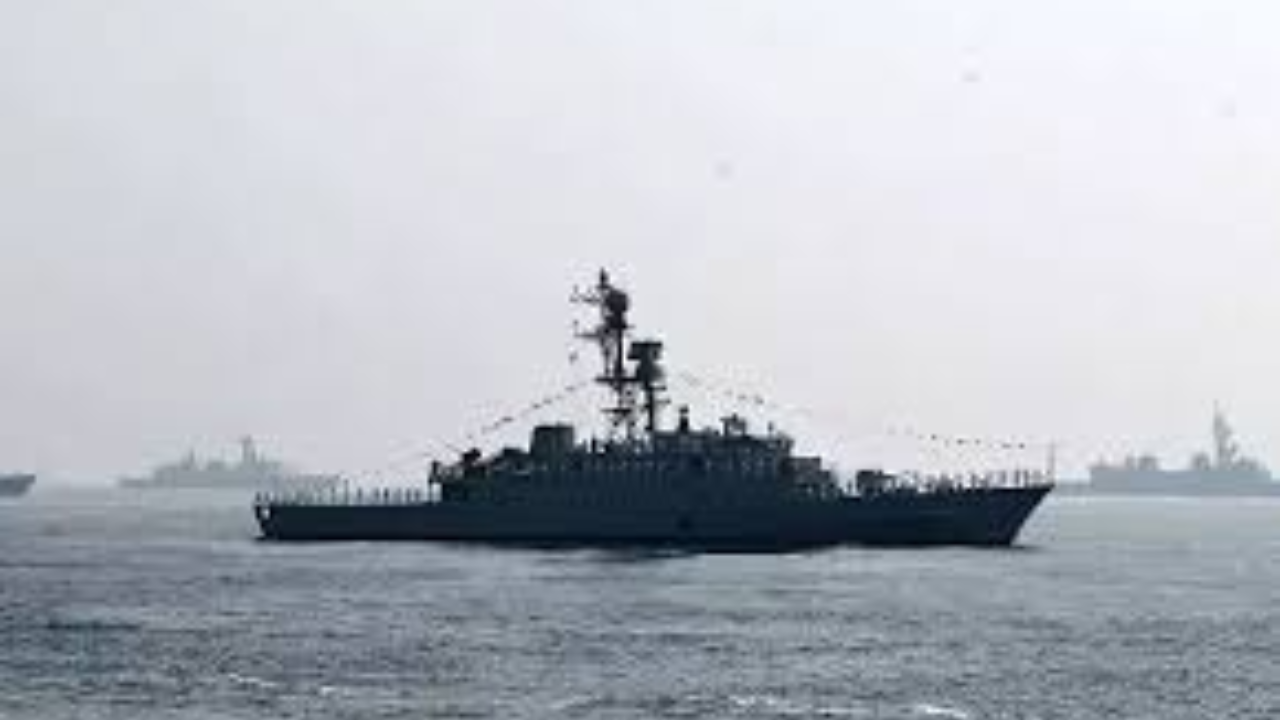
- Naval Loss: A U.S. submarine sank an Iranian warship.
- Missile Intercept: NATO defenses in Turkey shot down an Iranian ballistic missile.
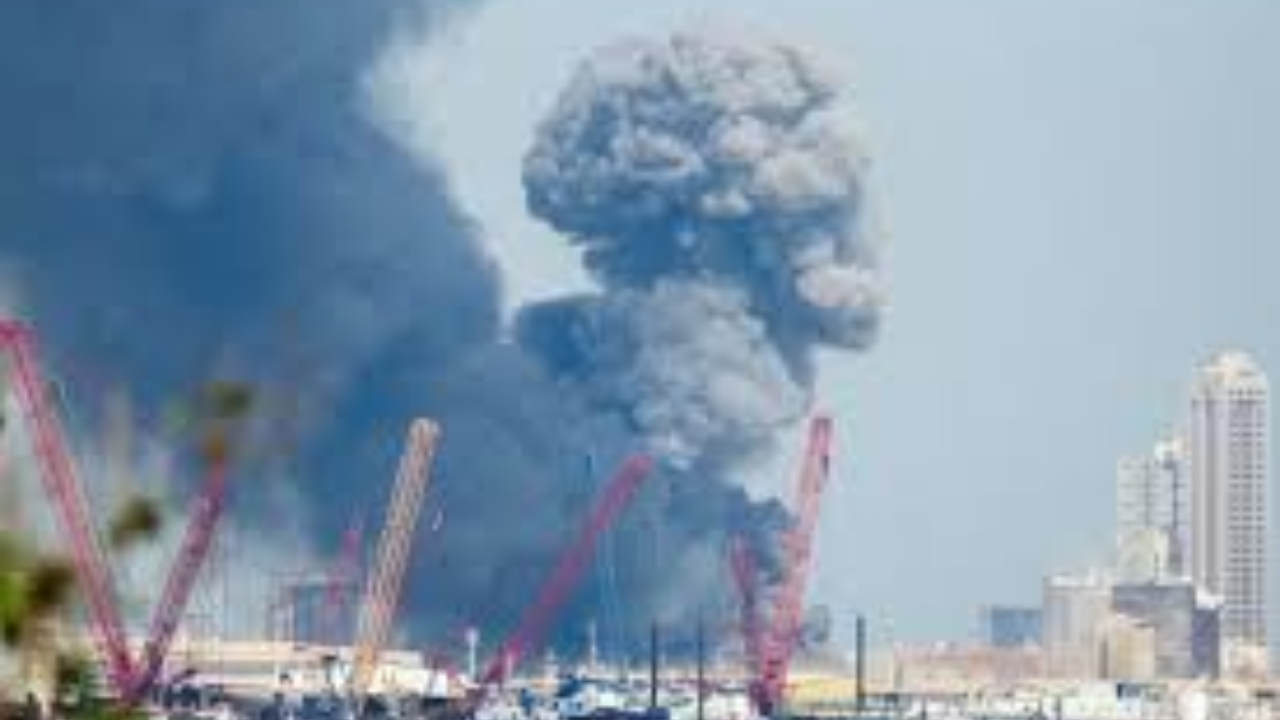
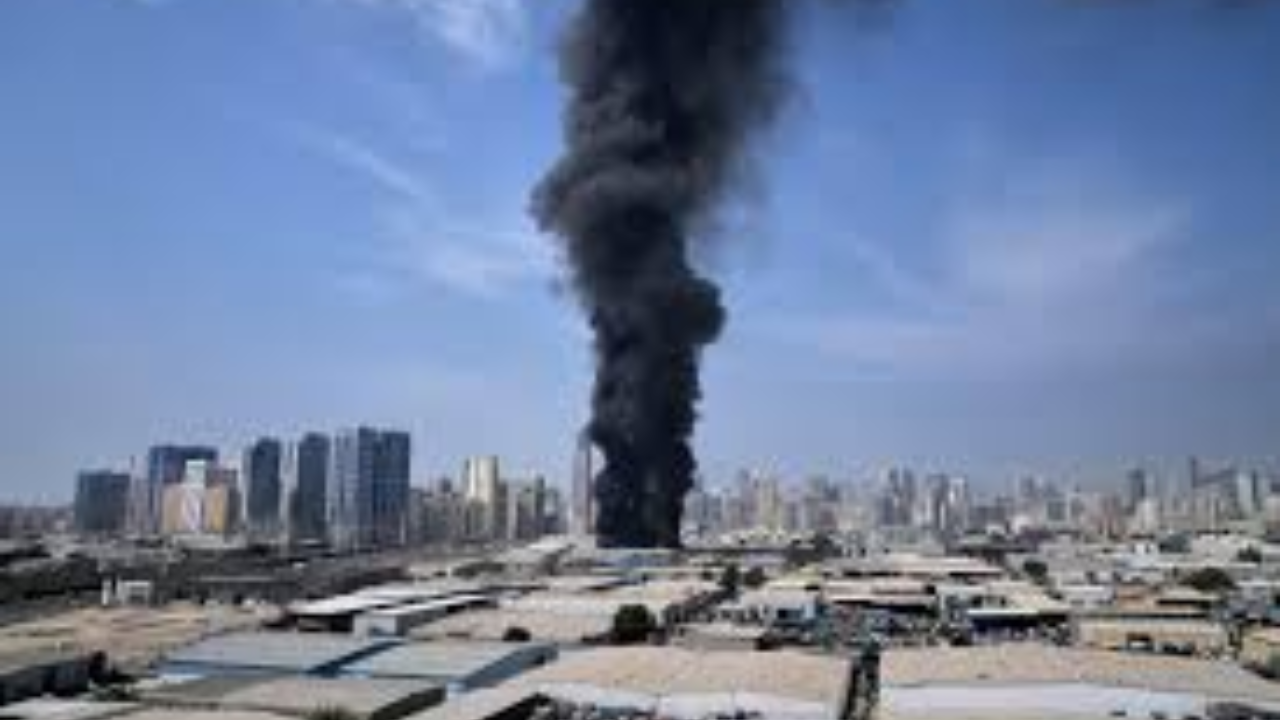
- Regional Anxiety: Increased attacks on civilian areas in neighboring Gulf states.