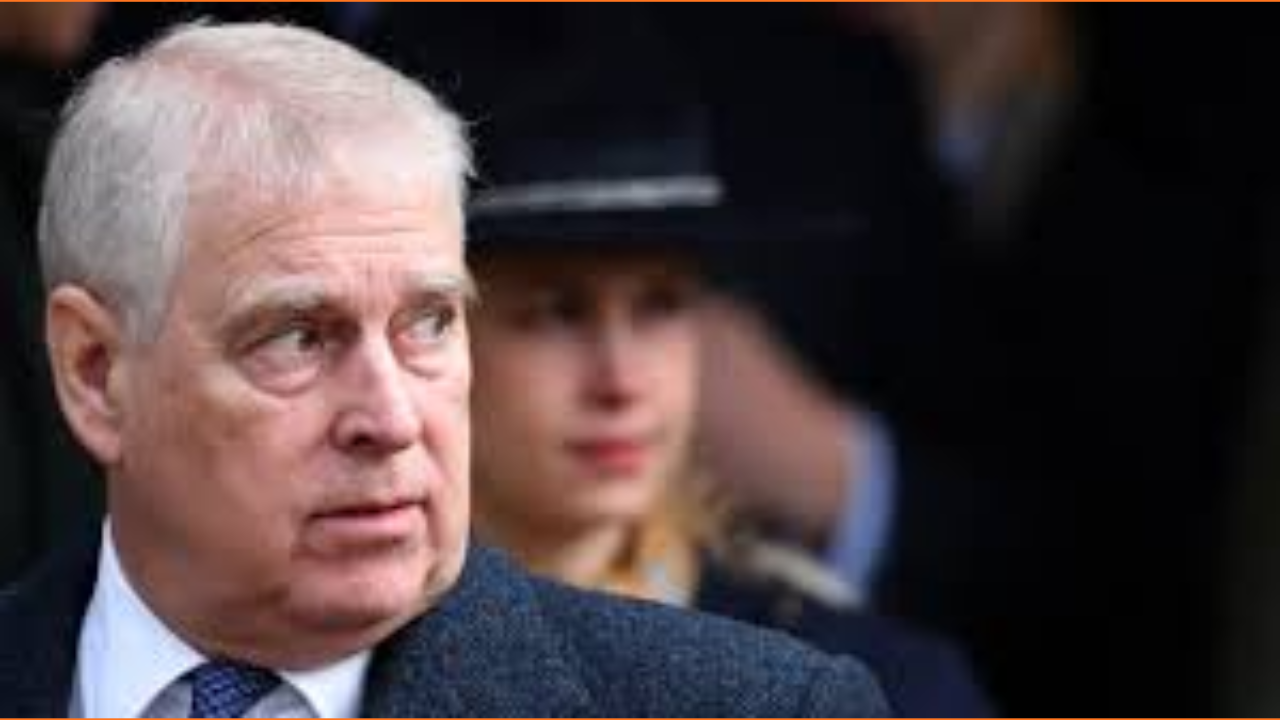
his 66th birthday—the former Prince Andrew was arrested by Thames Valley Police at his home on the Sandringham estate. This marks the first time in nearly 400 years that a senior member of the Royal Family has been taken into police custody.
Thank you for reading this post, don't forget to subscribe!- The Charges: He was arrested on suspicion of misconduct in public office. This stems from allegations that he shared confidential government trade information with Jeffrey Epstein while serving as a U.K. trade envoy between 2001 and 2011.
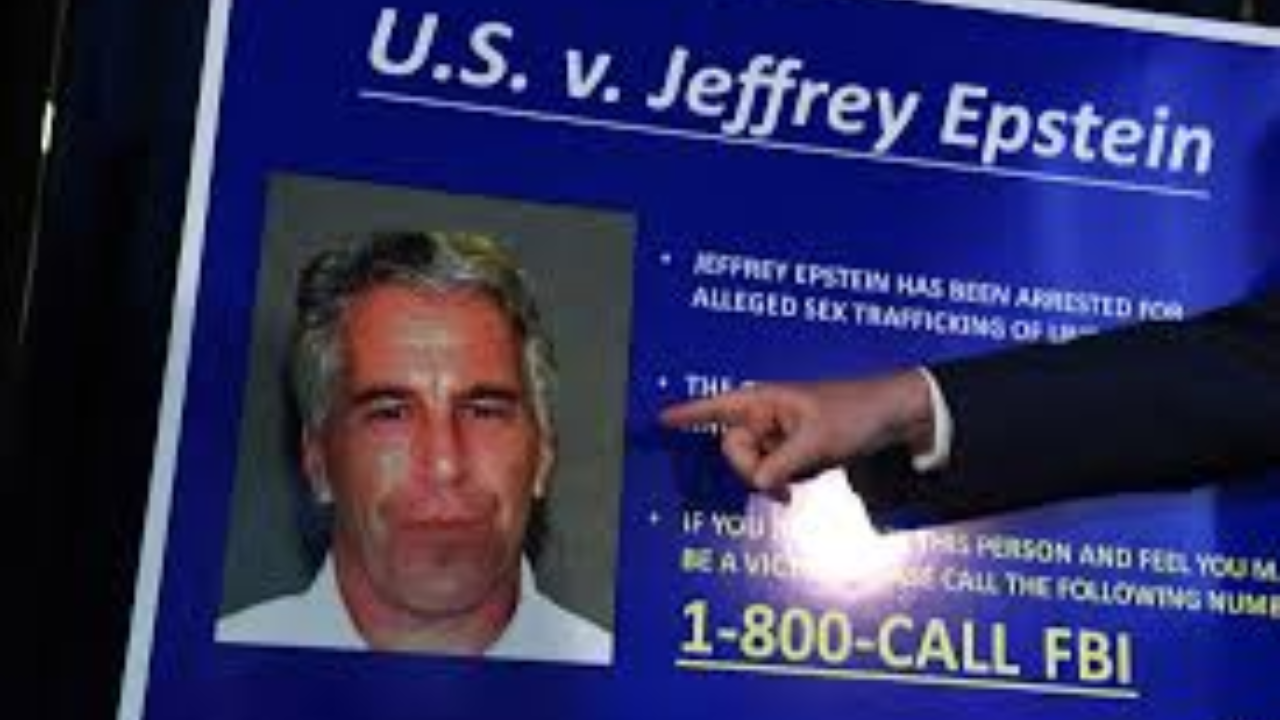
- The Evidence: The investigation was triggered by the U.S. Justice Department’s release of over three million documents from the Epstein files, which allegedly contain emails showing the former prince forwarding “market-changing” sensitive data.
- The Status: After 11 hours of questioning, he was released “under investigation.” While he has not been charged, police continue to search royal properties and interview former protection officers.
A Firm Response from the Crown
King Charles III has broken with the traditional “never complain, never explain” mantra to protect the institution. In an unprecedented personal statement, the King declared:
“Let me state clearly: the law must take its course. What now follows is the full, fair and proper process… they have our full and wholehearted support.”
By using his brother’s civilian name, Andrew Mountbatten-Windsor, and emphasizing that “nobody is above the law,” the King is attempting to “firewall” the monarchy from his brother’s legal jeopardy. However, the crisis has fueled calls from groups like Republic and certain Members of Parliament to formally remove Andrew from the line of succession.
Why This Crisis is Existential
- Transparency Demands: The public is increasingly questioning why the monarchy remains exempt from Freedom of Information laws and why royal finances stay largely private while a member faces criminal allegations.
- Institutional Thinning: With the King managing his own health and Prince William and Catherine under immense pressure to “save” the family’s image, the pool of working royals is at its smallest and most vulnerable in history.
- Public Support: Recent polling suggests support for the monarchy has hit record lows, with a significant rise in those questioning the institution’s future relevance in a democratic society.