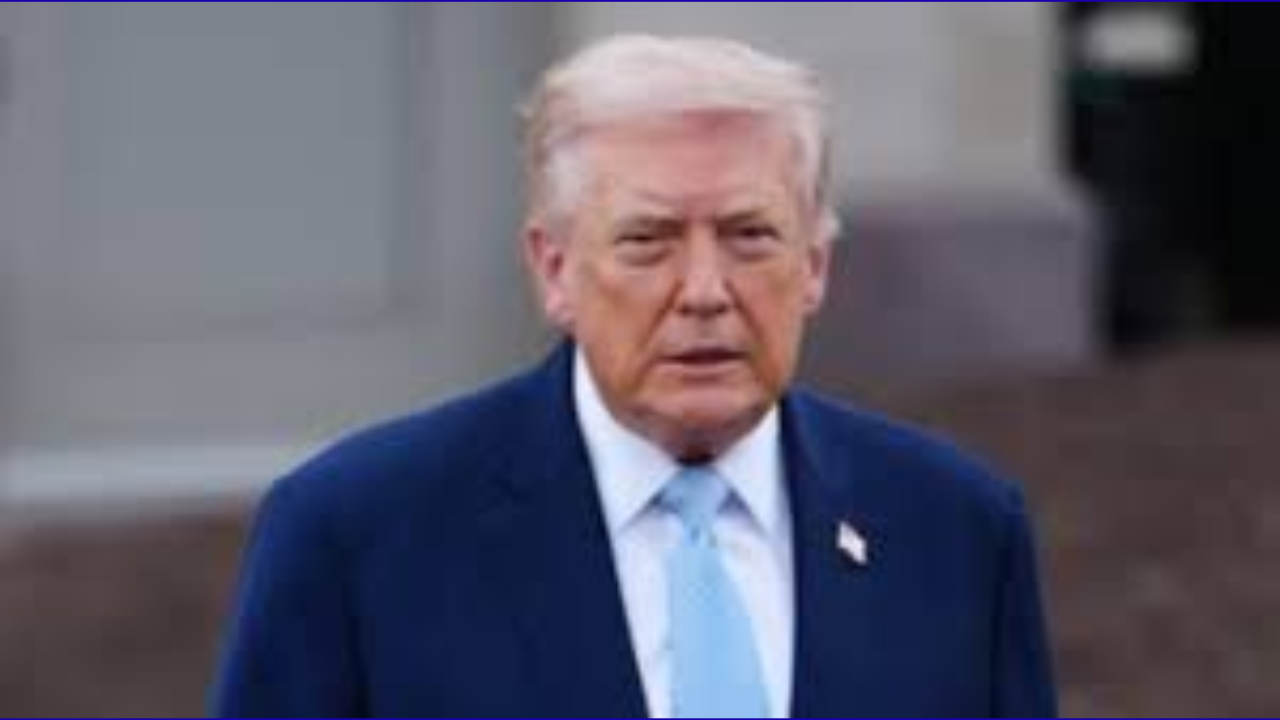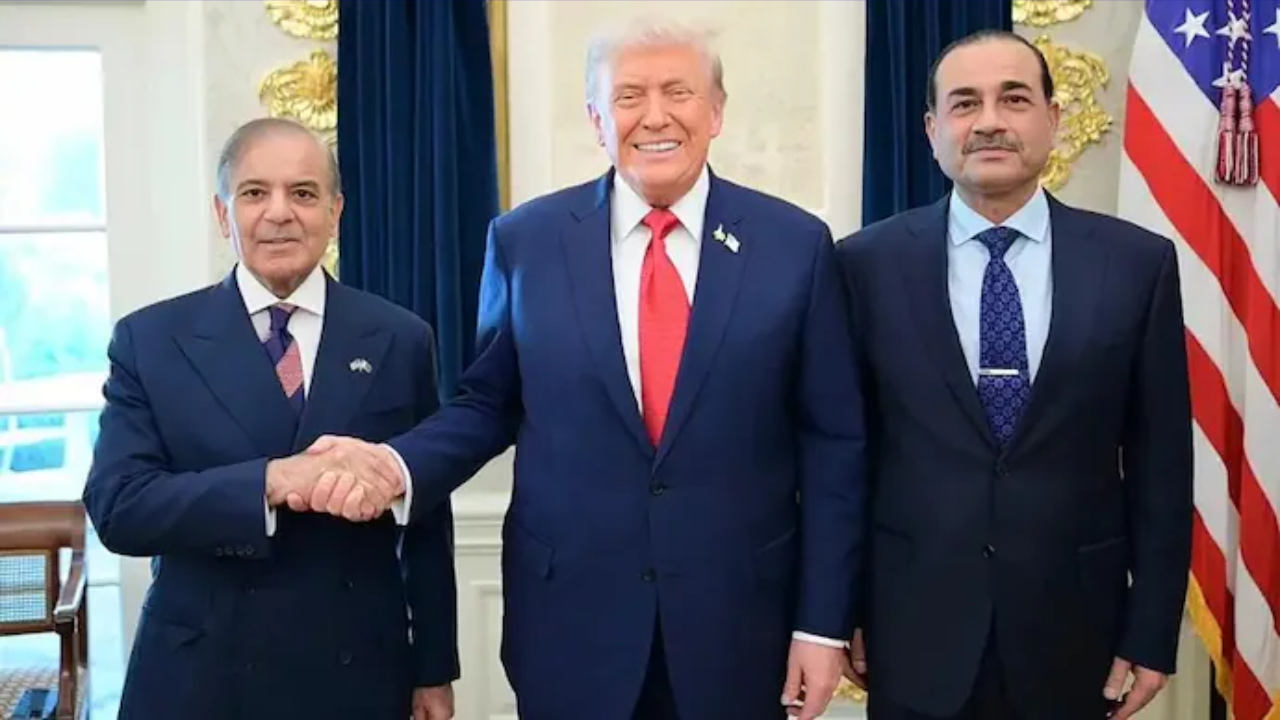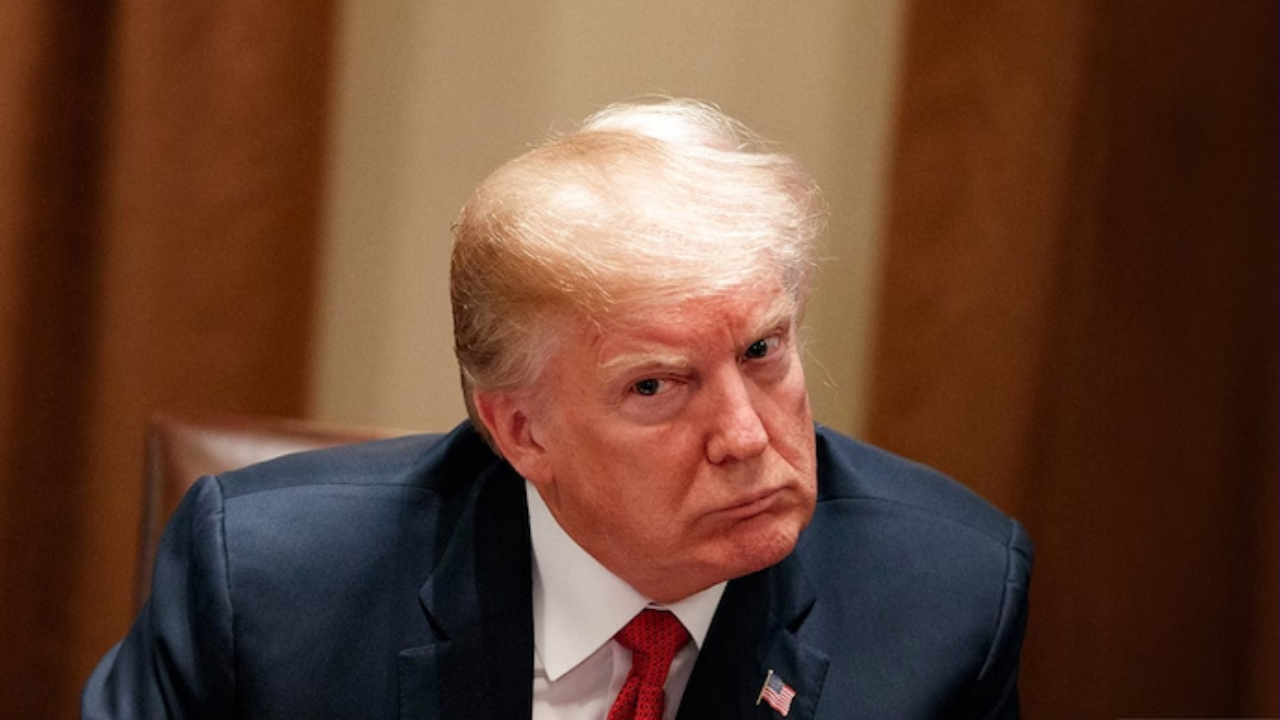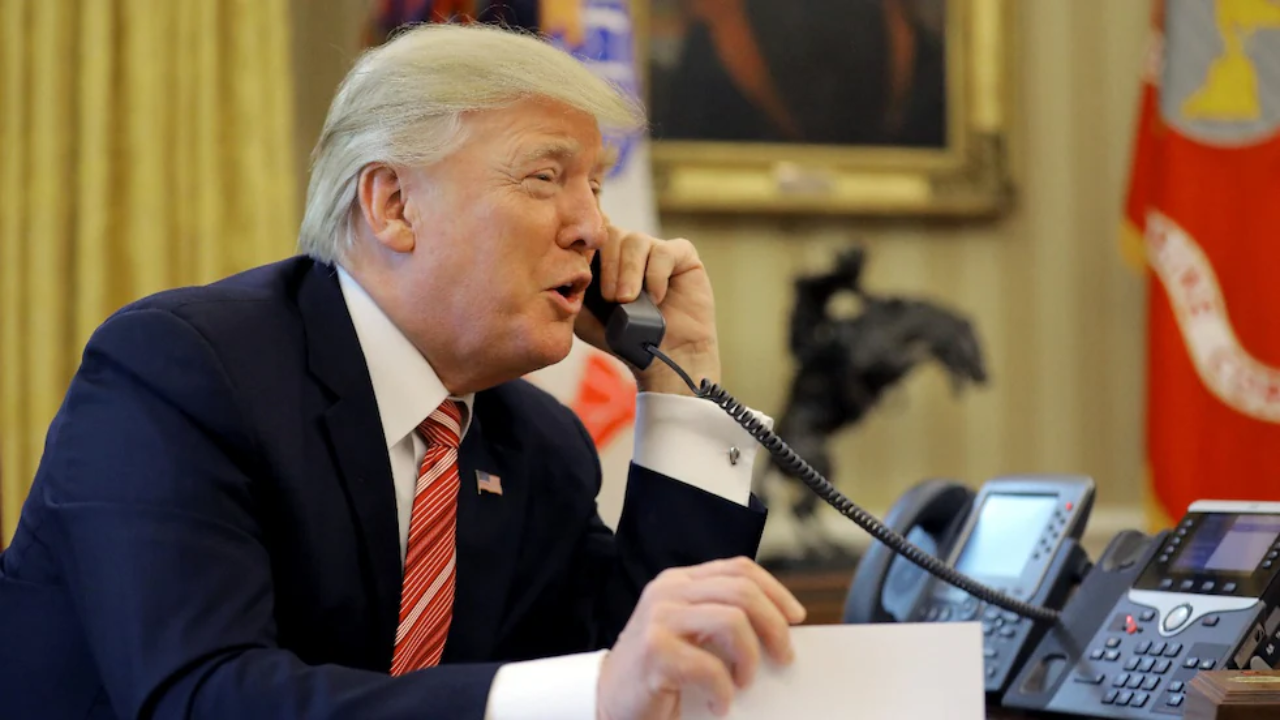
President Trump has begun publicly distancing himself from the initial decision to launch the war in Iran, suggesting that Secretary of Defense Pete Hegseth was the primary architect of the campaign. During a recent roundtable in Tennessee, Trump pointedly remarked that it was Hegseth who pushed for the strikes, quoting him as saying, “Let’s do it.”
Thank you for reading this post, don't forget to subscribe!Why the Narrative is Shifting Now
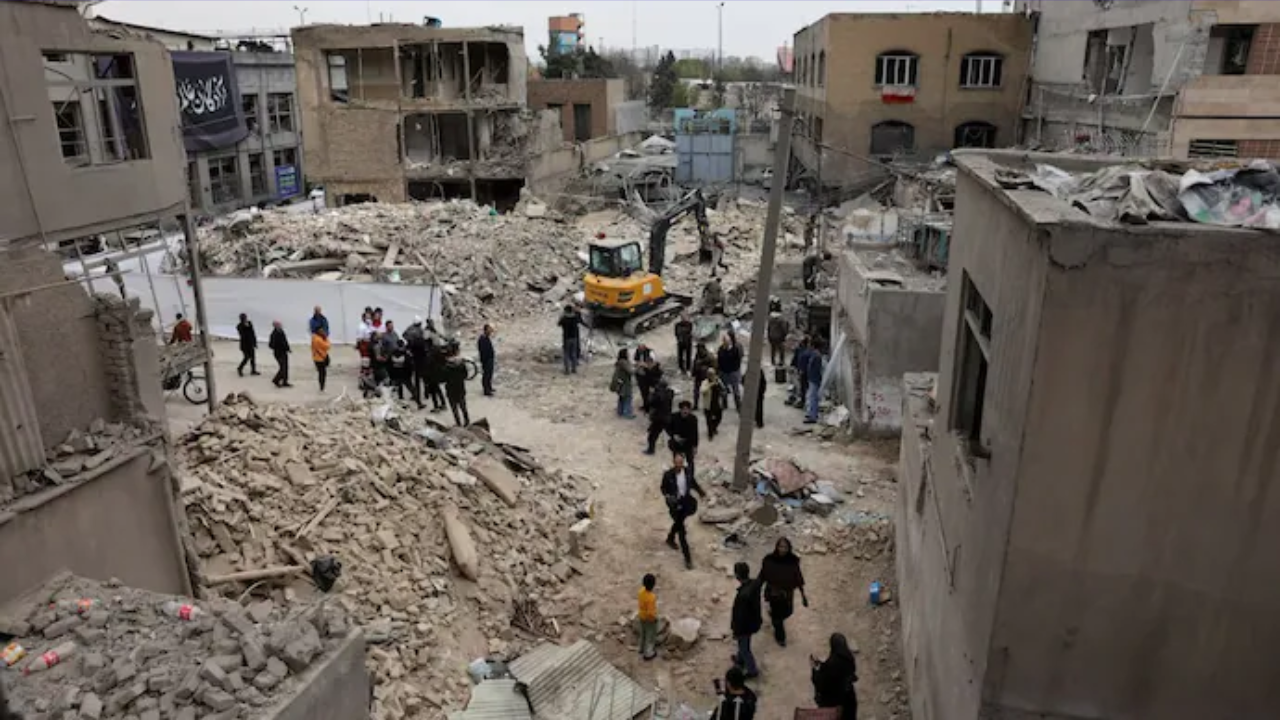
- Rising Costs: With $200 billion in new funding requested and U.S. casualties climbing, the administration is facing a “rally-around-the-flag” effect that is rapidly cooling.
- Energy Crisis: The ongoing blockade of the Strait of Hormuz has sent global oil prices soaring, putting pressure on the “America First” economic platform.
- Secretary of “War”: While Hegseth has embraced his role with a “no rules of engagement” philosophy, Trump’s comments suggest he is setting up a “fall guy” should the conflict reach a stalemate.
The Contrast in Leadership Styles
| Feature | President Trump’s Stance | Pete Hegseth’s Stance |
| Primary Goal | Making a “big deal” and securing oil. | “Regime change” and neutralizing threats. |
| Rhetoric | “I inherited a mess; Pete said let’s go.” | “The first based war of the MAGA era.” |
| Endgame | Open to negotiations to stabilize markets. | Complete military victory with no restrictions. |
The Bottom Line
By framing the war as Hegseth’s idea, Trump maintains his “dealmaker” persona—positioning himself as the leader who can step in to fix a mess that his generals (or in this case, his Secretary of Defense) started. Hegseth, meanwhile, remains the face of the most aggressive U.S. military posture in decades.