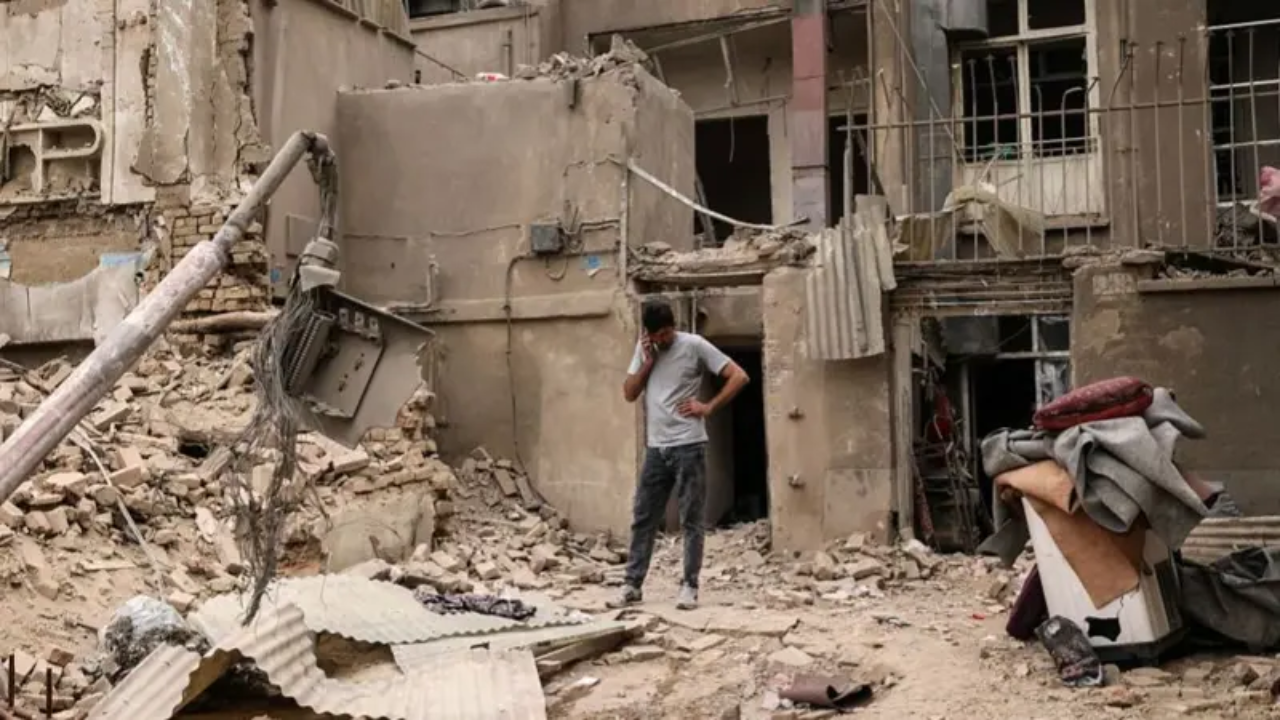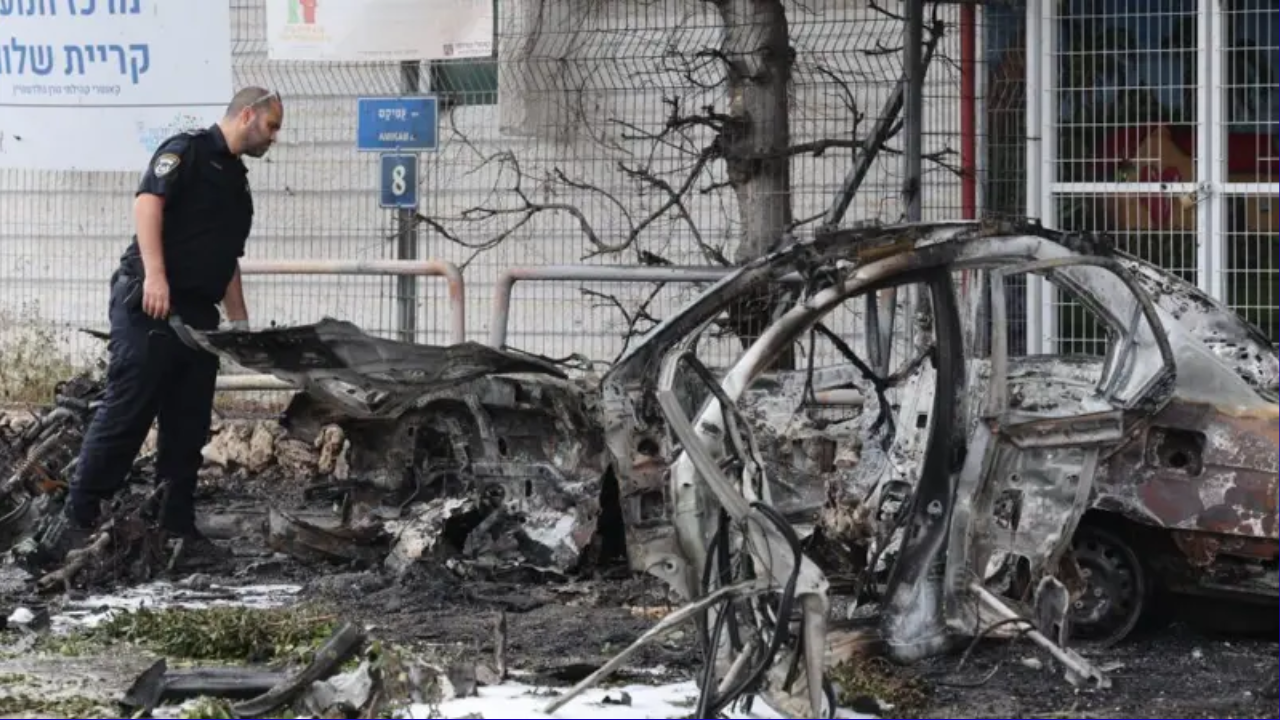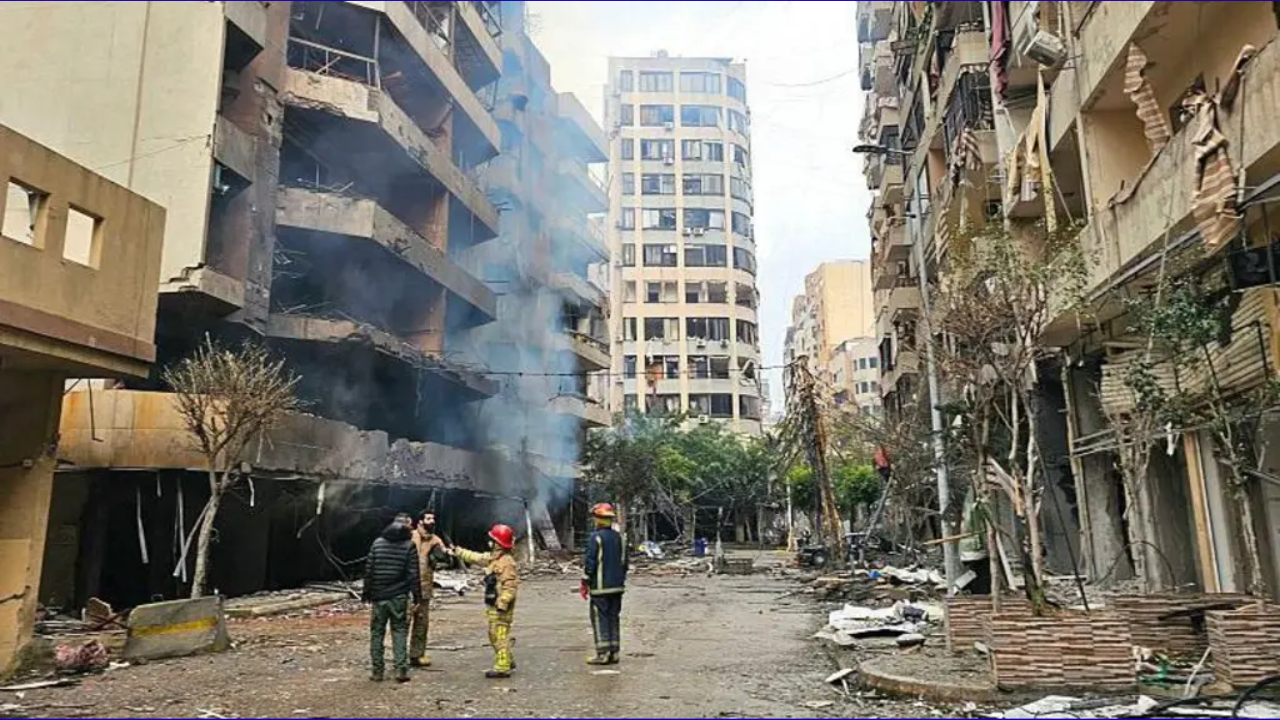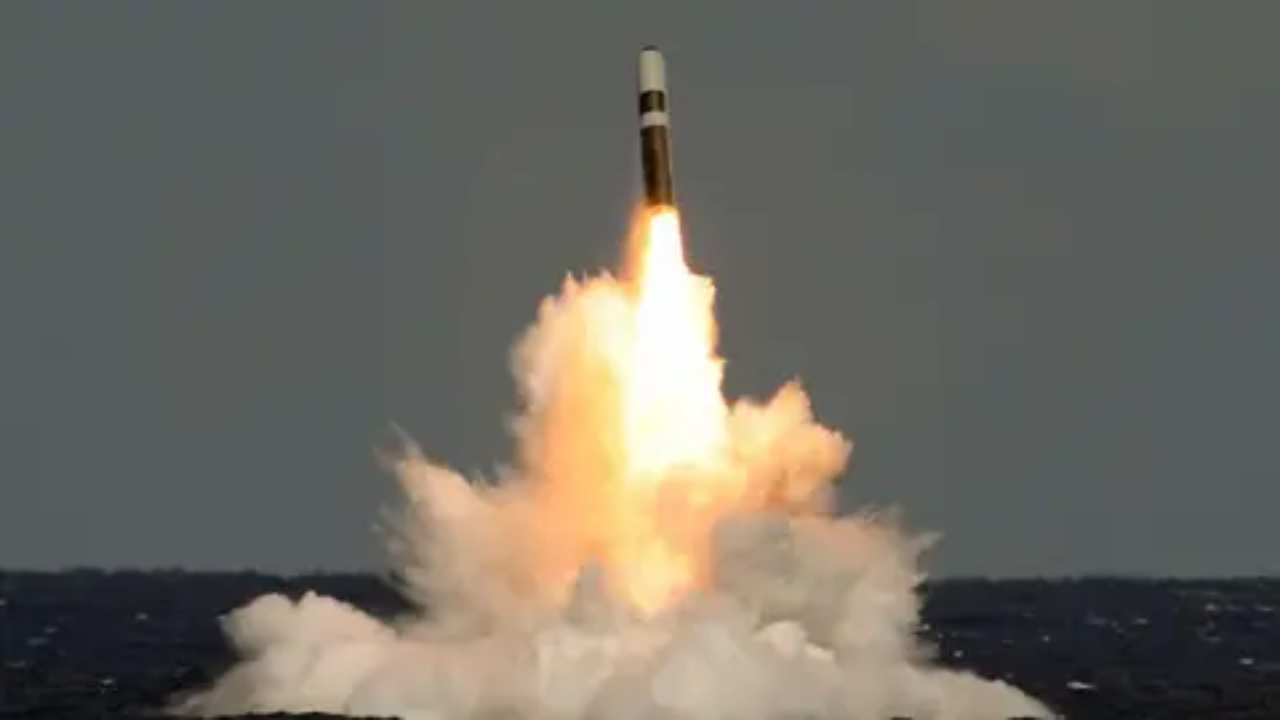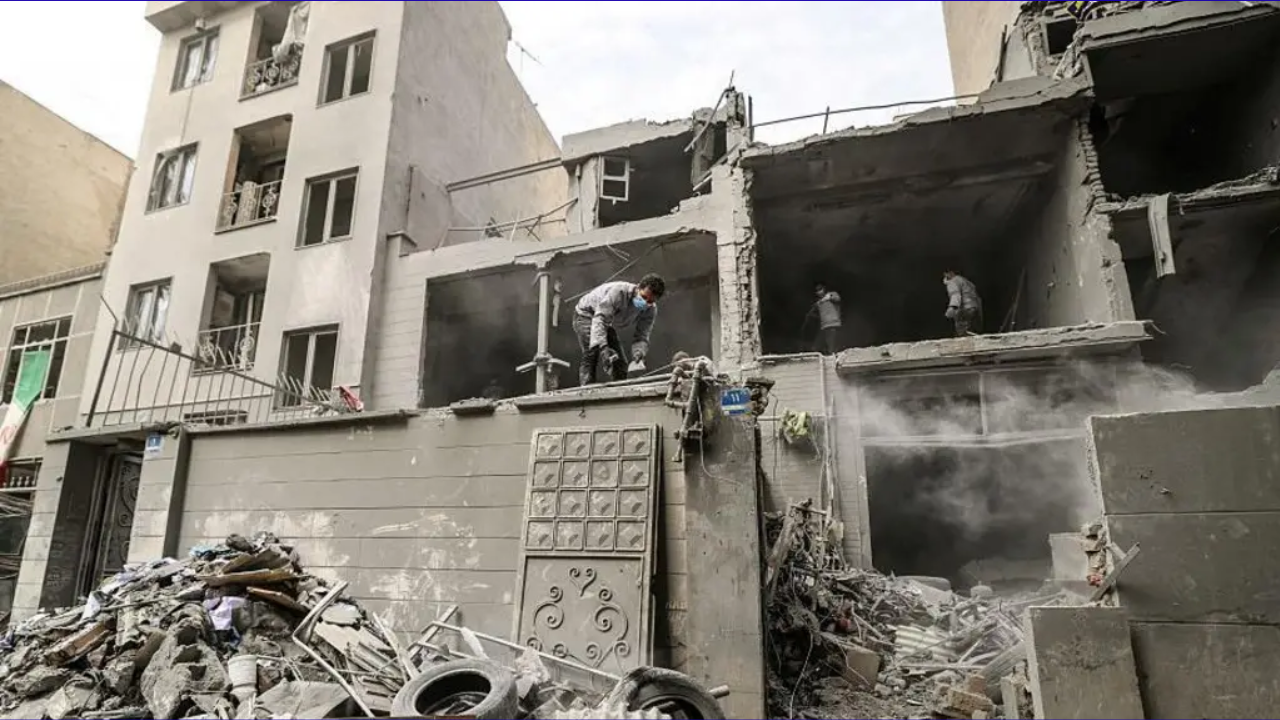
Following the unprecedented events of late February, the Israel Defense Forces (IDF) have signaled that their mission is far from over. Despite 16 days of sustained aerial bombardment, Israeli officials claim they have identified and vetted thousands of additional targets across Iranian territory.
Thank you for reading this post, don't forget to subscribe!- Systematic Dismantling: The focus has shifted from high-value leadership targets to “attrition logistics.” This involves destroying underground missile silos, drone manufacturing plants, and radar installations.
- Operational Scope: Military analysts suggest the IDF is attempting to ensure Iran lacks the “surge capacity” to launch a retaliatory strike for years to come.
- Duration: Expectations are set for operations to persist through the coming weeks, despite calls from some international bodies for a temporary ceasefire.
The Naval Standoff: Trump, Starmer, and the Oil Crisis
While the war is fought in the air over Iran, the global economy is being hit at sea. The Strait of Hormuz—the world’s most vital energy artery—remains effectively closed due to Iranian sea mines and “swarm” boat tactics.
The Diplomatic Response
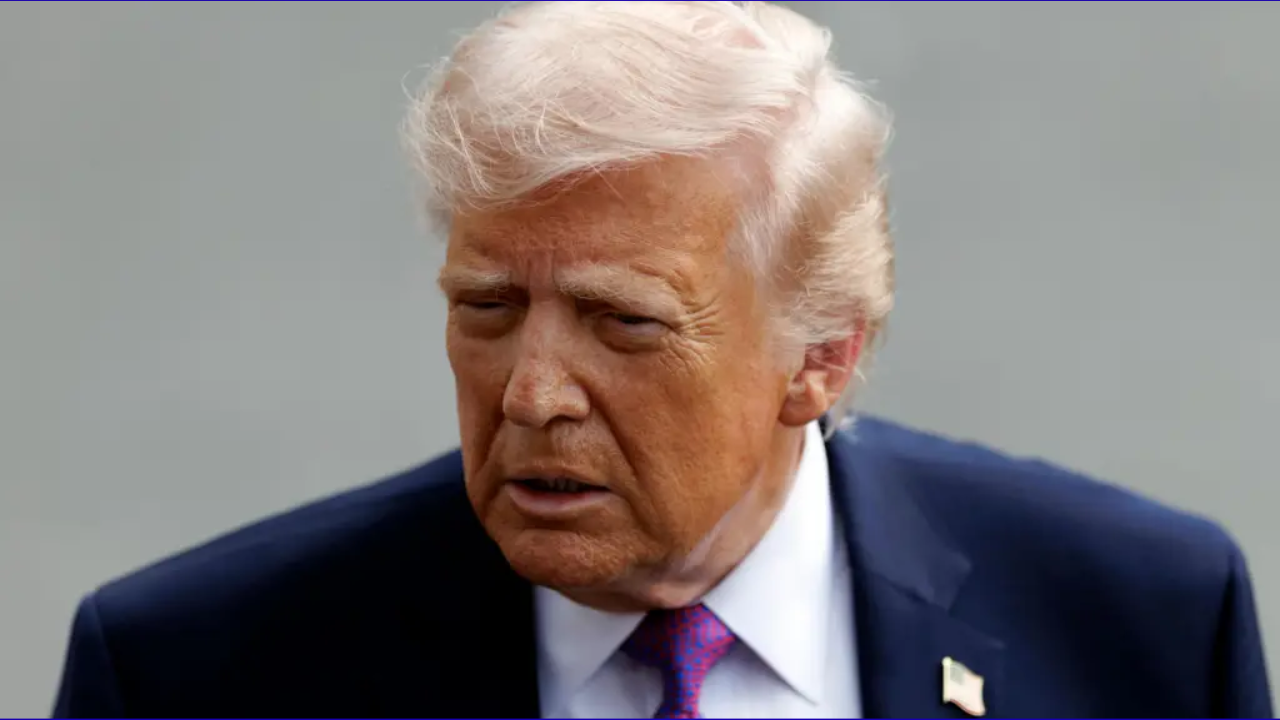
President Trump and UK Prime Minister Keir Starmer held a high-stakes call to coordinate a response to the blockade. Their discussion centered on three key pillars:
- Operation Sentinel II: A proposed multinational naval task force to escort commercial tankers.
- Shared Burden: Trump is reportedly pushing for European and Asian allies to provide more hardware (destroyers and minesweepers), arguing that the U.S. shouldn’t bear the full financial and military cost of securing global oil.
- Red Lines: Both leaders agreed that a permanent Iranian closure of the Strait would be considered an “act of global economic warfare.”
The Economic Fallout
The impact of the Hormuz closure is no longer theoretical. Energy markets are in a state of shock:
- Price Surges: Brent crude has spiked significantly, leading to immediate price hikes at the pump globally.
- Strategic Reserves: While the IEA has released record amounts of oil, the physical inability to move tankers through the Strait remains the primary bottleneck.
Note: The internal political situation in Tehran remains volatile following the reported death of Ali Khamenei. The IRGC appears to be operating with a high degree of autonomy, complicating efforts for a diplomatic exit ramp.