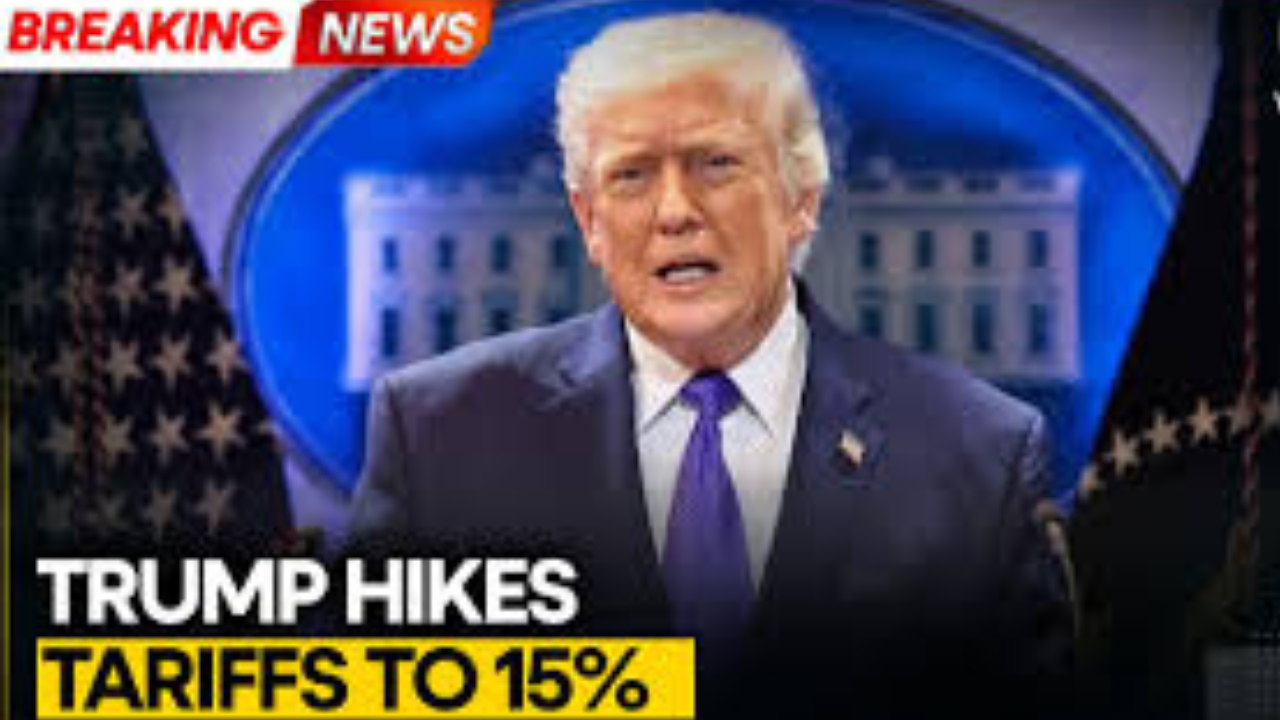
In a high-stakes clash of powers on February 20, 2026, the U.S. Supreme Court delivered a stinging blow to the administration’s trade policy, ruling 6–3 that the President lacks the unilateral authority to impose sweeping global tariffs.
Thank you for reading this post, don't forget to subscribe!The decision in Learning Resources, Inc. v. Trump effectively dismantled the “baseline” tariff wall established in 2025. However, rather than retreating, President Trump responded with a bold, defiant ultimatum: if he can’t tax imports, he will simply block them.
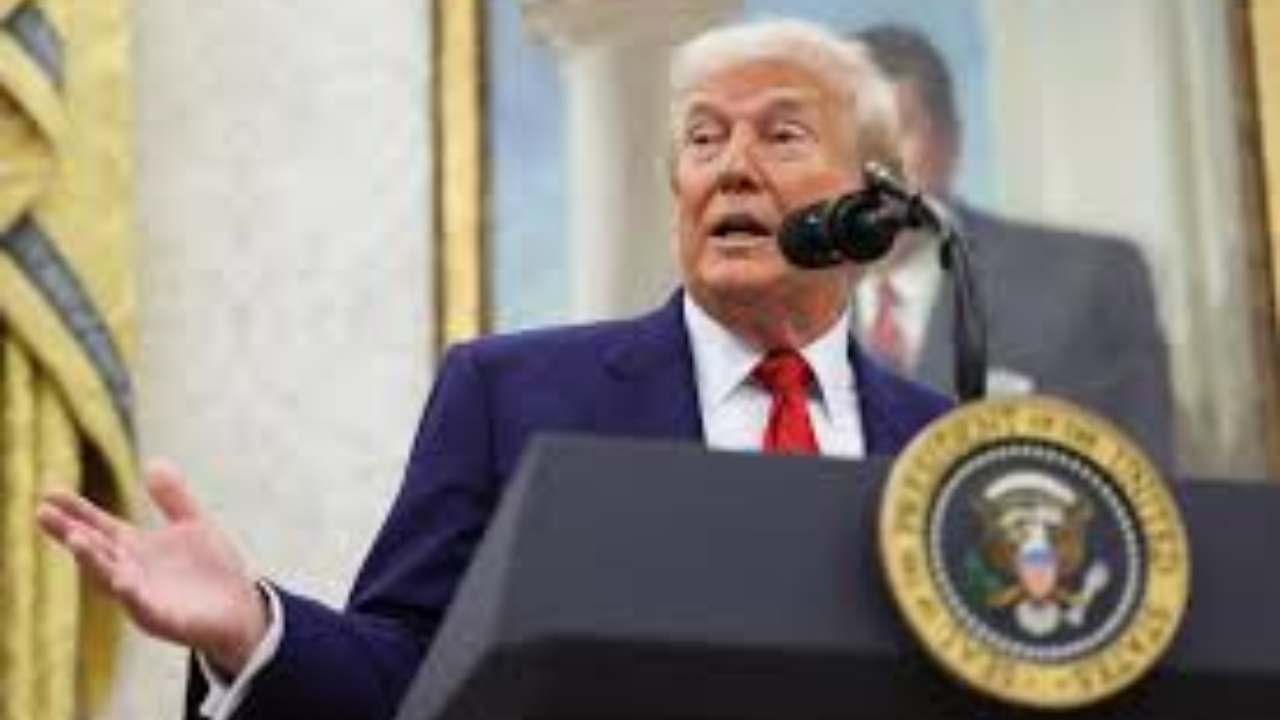
“I Can Do Anything I Want”
The President’s reaction focused on what he perceives as a legal absurdity. He argued that the Court’s ruling, while stripping his “moderate” power to tax, leaves his “extreme” power to destroy trade intact.
- The Logic: Trump contends that under the International Emergency Economic Powers Act (IEEPA), he still has the authority to declare a total embargo.
- The Quote: “I can’t charge any country a dollar but [I can] destroy them… I can do anything I want to do to them,” he stated, suggesting that the ruling forces his hand toward more “vicious” measures.
The Legal Breakdown
The Supreme Court drew a hard line between regulation and revenue:
| Feature | The Court’s View | Trump’s Argument |
| Authority | Article I (Congress) owns “Taxing and Spending.” | Executive emergency powers cover all trade. |
| Tariff Status | Struck down as unconstitutional taxes. | Essential tools for “America First.” |
| Next Step | President must seek Congressional approval. | Use “Emergency” powers to bypass Congress. |
The New Trade Strategy: “Surcharge and Blockade”
Within hours of the ruling, the administration signaled it would not wait for Congress. Trump has already pivoted to a “Backup Plan” to keep the pressure on international markets:
- The 150-Day Loophole: Invoking Section 122 of the Trade Act of 1974 to implement a “temporary” 10% surcharge.
- The Nuclear Option: Threatening total trade embargoes against countries with high trade deficits, arguing that if he can’t tax the goods, he will simply ban them.
- The Refund Battle: While the ruling theoretically opens the door for billions in refunds to U.S. companies, the administration is expected to tie those funds up in further litigation.