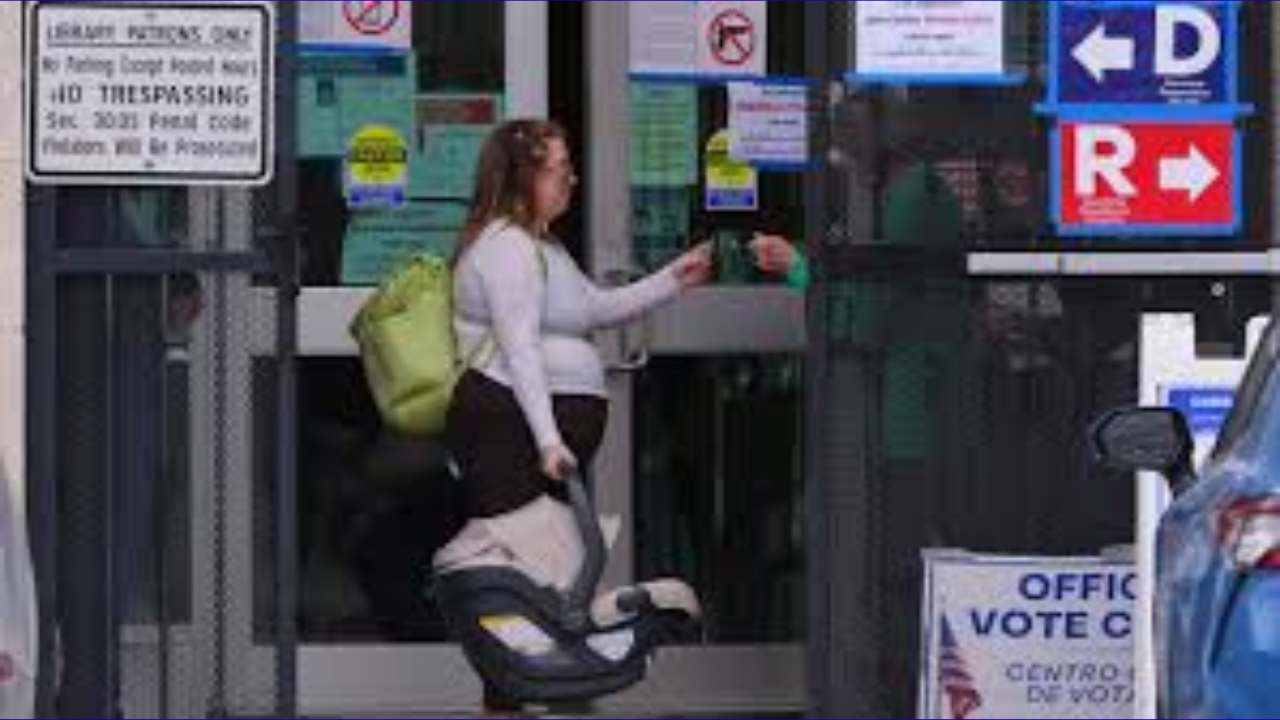
A grassroots “Property Tax Revolt” is tearing across the U.S. as homeowners, pushed to the brink by surging valuations, demand relief. In an election year, this fiscal crisis has become a political weapon, pitting aggressive tax-cutting agendas against the survival of local public services.
Thank you for reading this post, don't forget to subscribe!The Flashpoints
- The “Nuclear” Options: Florida is debating a radical 10-year phase-out of non-school property taxes, while Georgia recently saw a bid to slash taxes by 75% narrowly fail in the House.
- The Valuation Caps: States like Kansas and Michigan are pushing for hard caps (often 3%) on how much a home’s assessed value can rise annually, regardless of the market.
- The “Backfill” Dilemma: To pay for these cuts, states are looking at “swaps”—raising sales taxes on everything from streaming services to data centers to keep schools and police funded.
The Political Split
The debate has effectively divided state governments into two camps:
- The “Relief” Camp: Led by GOP governors and speakers who argue that record-high assessments are “taxing people out of their homes.” They see tax cuts as a moral imperative for seniors and middle-class families.
- The “Stability” Camp: Comprised of Democrats and local mayors who warn of a “hollowing out” of communities. They argue that without property tax revenue, local control vanishes, and essential services like fire and EMS will face catastrophic budget holes.
The Verdict for 2026
As the November elections approach, the “revolt” is no longer just about math—it’s about the definition of the American Dream. While homeowners may see smaller bills in the short term, the long-term cost may be a fundamental shift in how—and if—local governments can afford to operate.