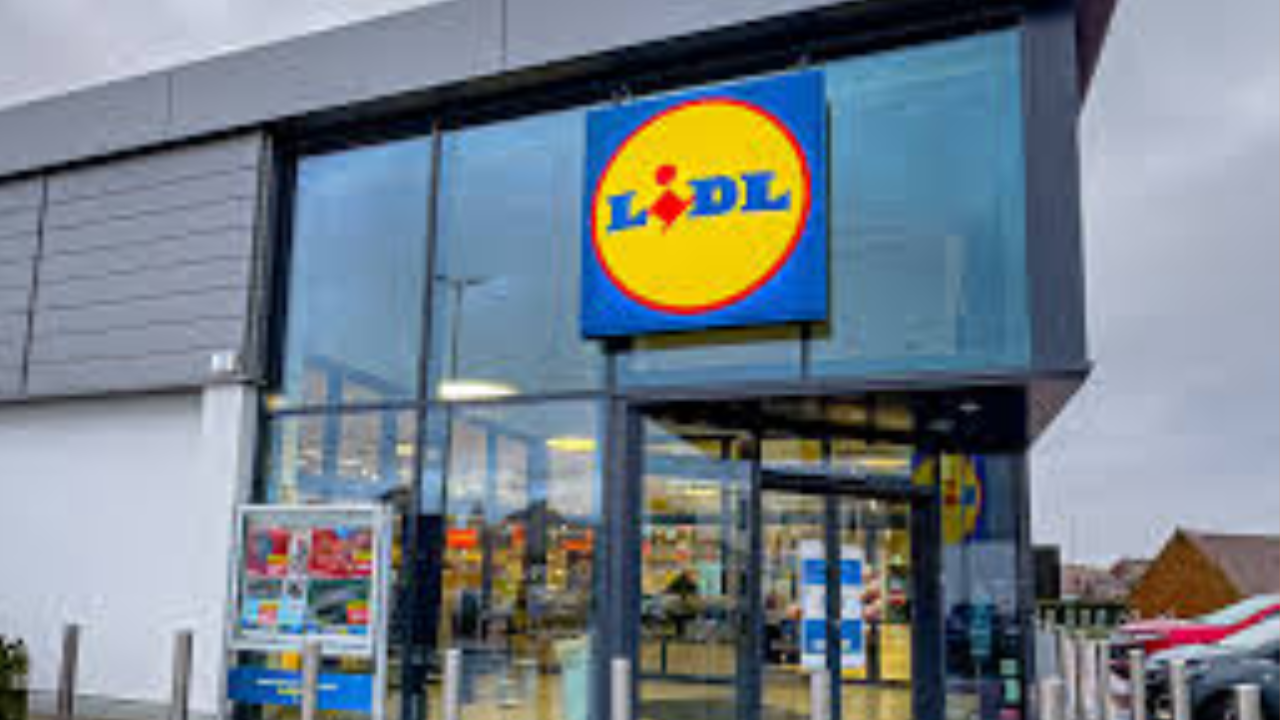
After ten years behind the till at a Somerset Lidl, Julian Oxborough found himself unemployed over a 17p bottle of water. While the amount was negligible, the legal fallout was anything but.
Thank you for reading this post, don't forget to subscribe!The Timeline of a “Thirst” Dismissal
The incident occurred during a heatwave in July 2024. The sequence of events that led to a 2026 court ruling is as follows:
- The “Scrap” Bottle: A customer left behind a single bottle of water from a broken multipack because it didn’t have a barcode.
- The Choice: Claiming he was dehydrated, stressed, and had made his own squash “too strong,” Oxborough drank the water and used the bottle to dilute his drink.
- The Discovery: A manager found the empty bottle the next day. CCTV confirmed Oxborough had consumed it without paying.
- The Defense: He argued it was an honest mistake made under physical duress and that he intended to pay, but simply forgot in the rush to catch his bus.
Why the Tribunal Sided with Lidl
Despite the optics of sacking a long-term staffer over pennies, the Employment Tribunal ruled in favor of the supermarket in early 2026. The judge cited three main pillars for the decision:
| Pillar | Explanation |
| Breach of Trust | In retail, “theft” is defined by the act of taking, not the value of the item. Consuming unpaid stock is considered Gross Misconduct. |
| The “Four-Day” Rule | Oxborough had four days between the incident and the investigation to “self-report” and pay the 17p. He didn’t. |
| Changing Stories | His defense shifted from “I forgot to pay” to “I thought it was waste.” This inconsistency weakened his credibility. |
The Reality Check
The judge admitted that while the punishment felt “harsh,” it was “procedurally fair.” For Lidl, it wasn’t about the 17p; it was about maintaining a strict zero-tolerance culture across thousands of employees.