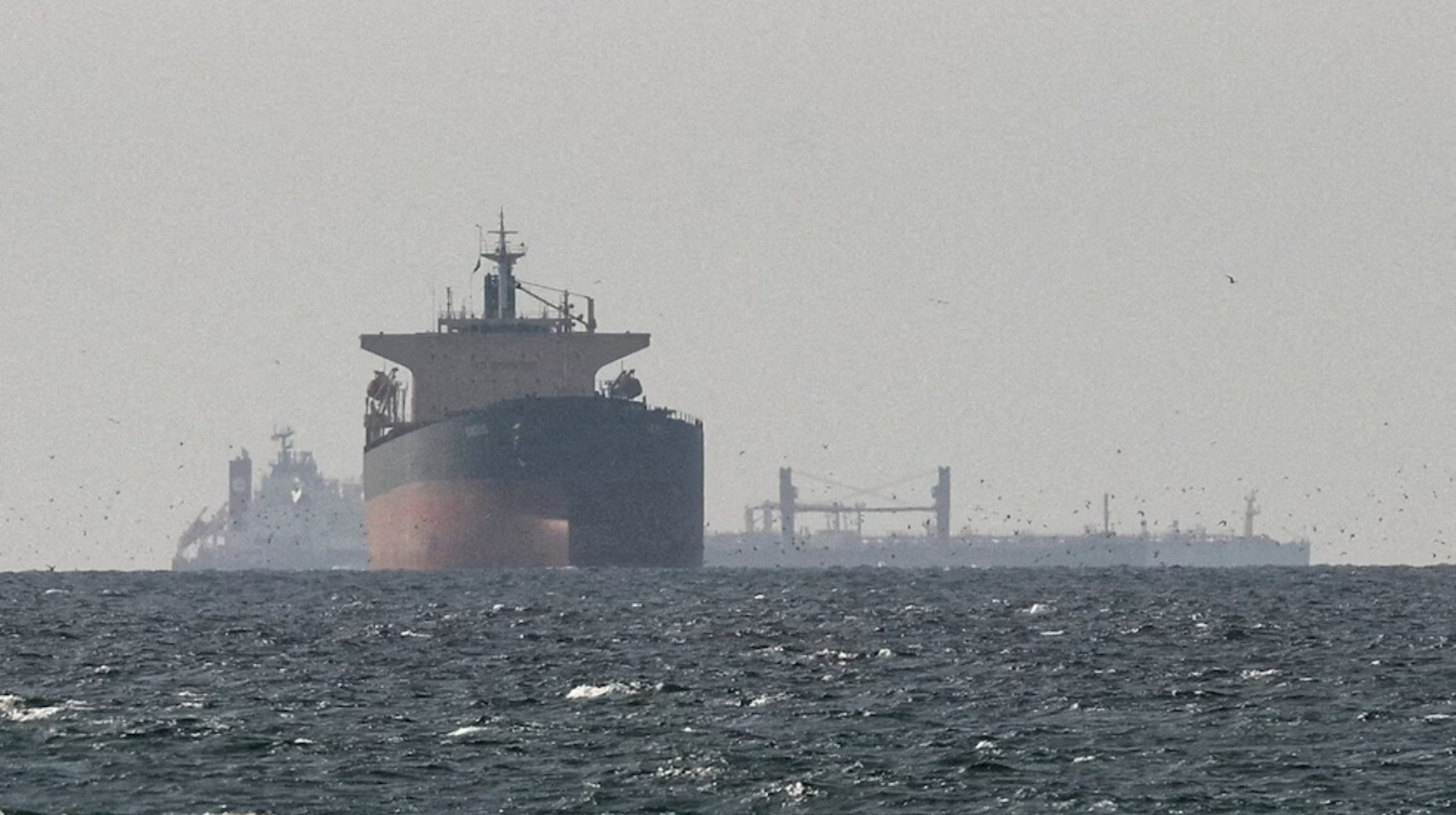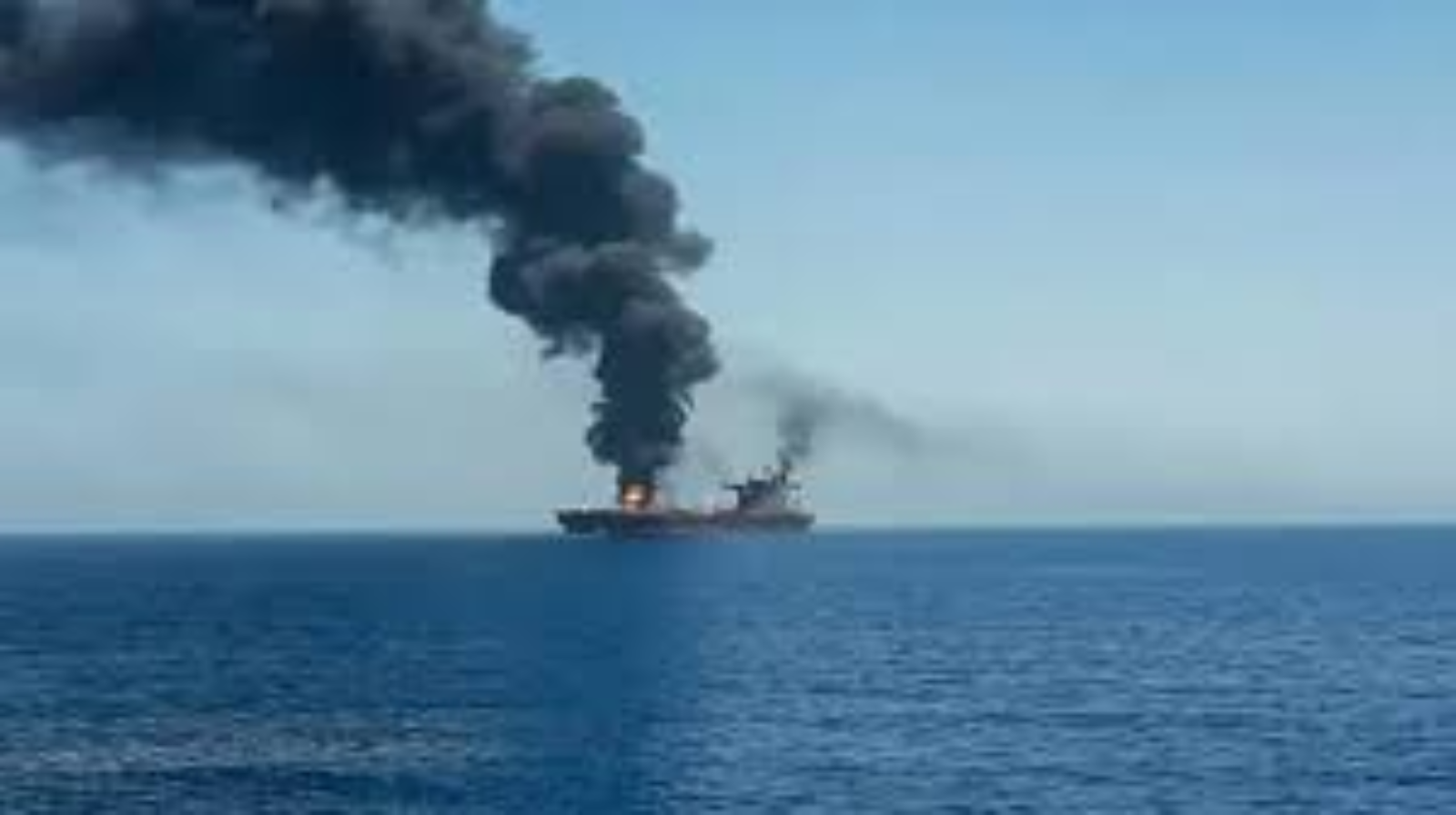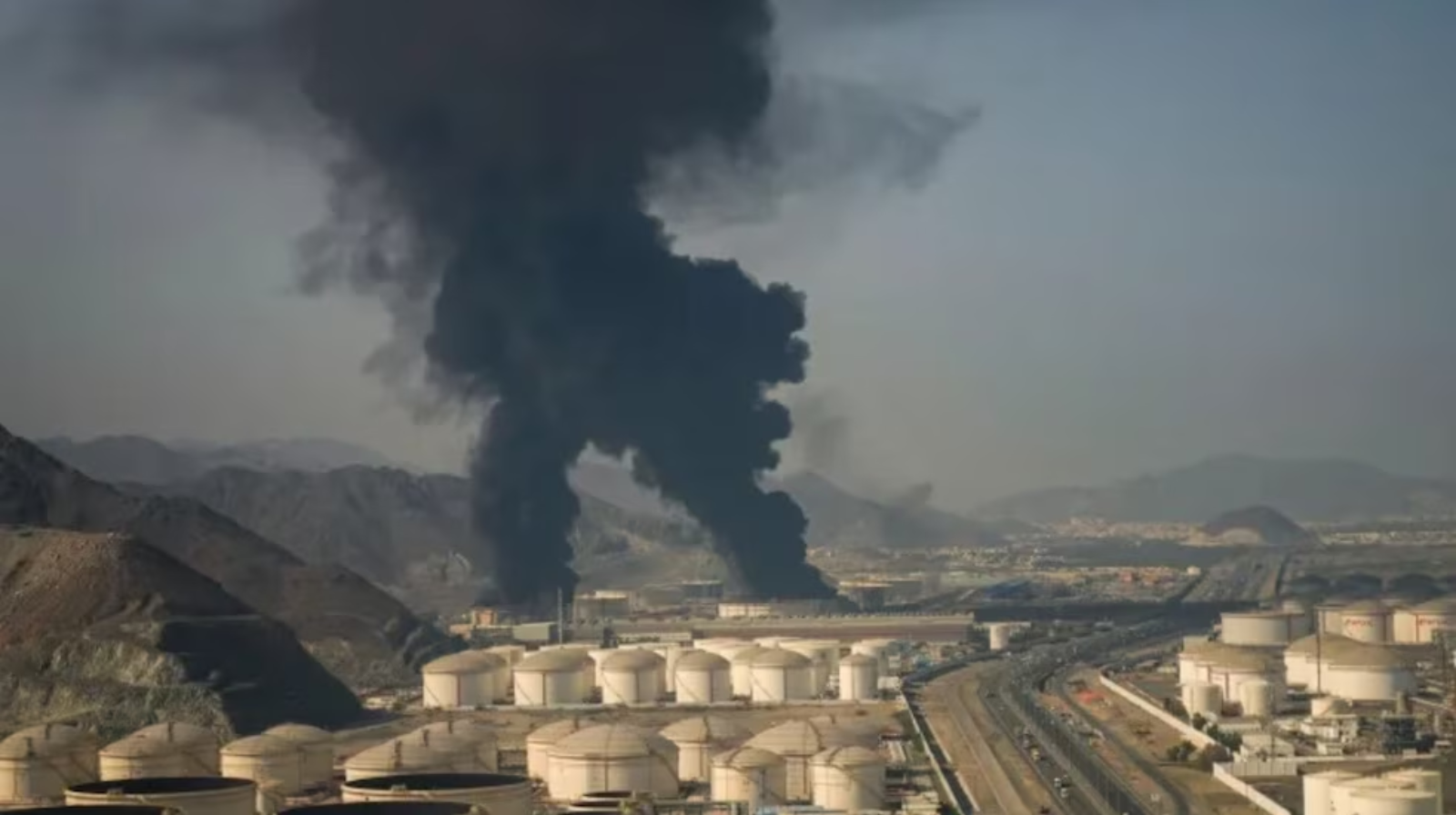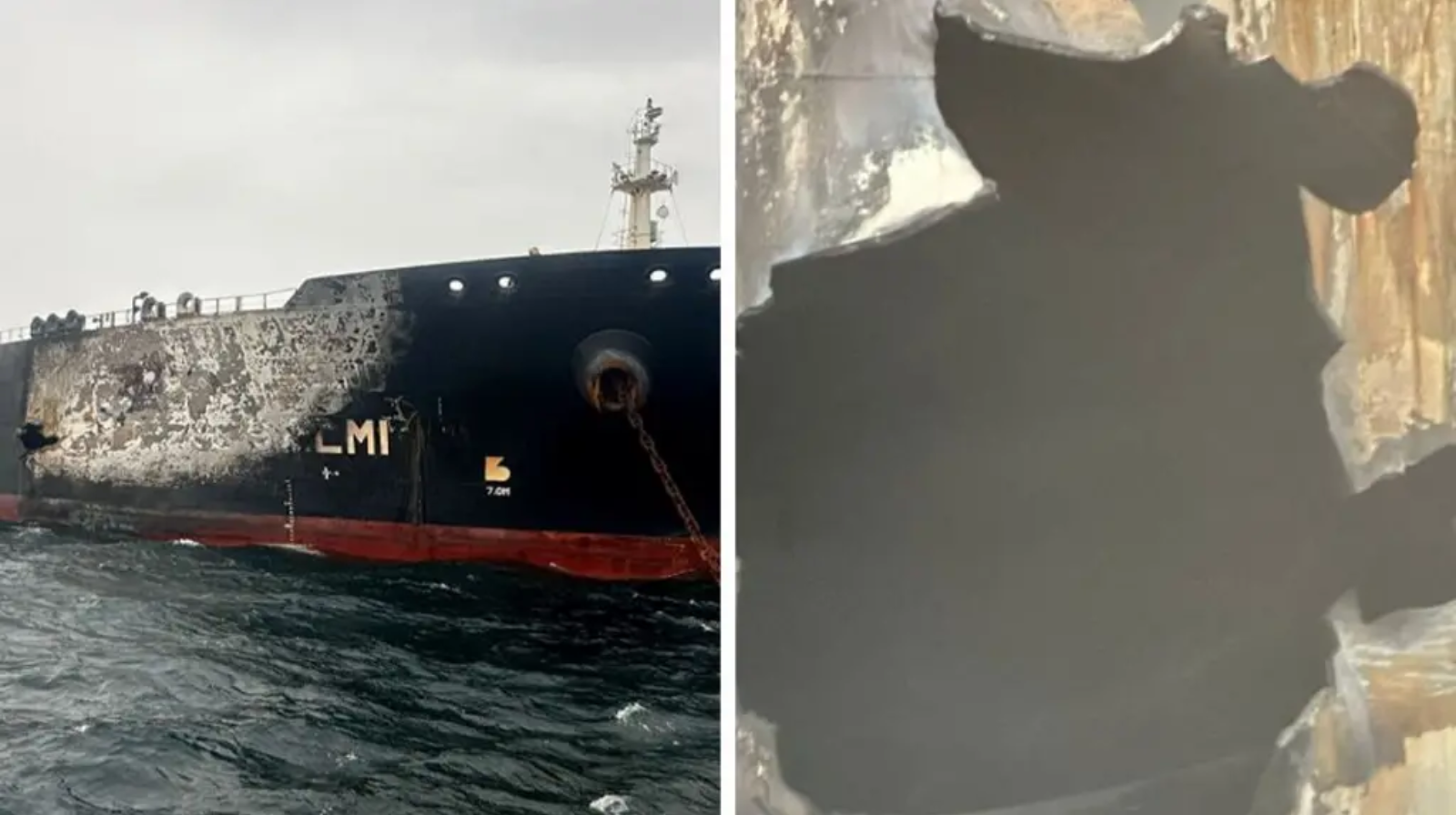
A Kuwaiti-flagged oil tanker, the Al Salmi, was struck by an Iranian drone early Tuesday morning while anchored off the coast of Dubai. The attack, which occurred at approximately 12:10 AM at Anchorage “E,” marks a significant escalation in the ongoing maritime conflict within the Persian Gulf.
Thank you for reading this post, don't forget to subscribe!The Incident and Emergency Response
Emergency maritime teams from Dubai were dispatched immediately to the scene. By Tuesday afternoon, authorities confirmed:
- Crew Safety: All 24 crew members were successfully evacuated without injury.
- Containment: The onboard fire has been extinguished.
- Environmental Status: Despite the ship being at full capacity, officials report no oil leakage or immediate environmental threat to the coastline.
Geopolitical Context
The targeting of a Kuwaiti vessel—a neutral party in much of the direct military exchange—signals a broadening of the conflict. The incident has already sent ripples through global energy markets, causing a brief but sharp spike in oil prices as concerns grow over the security of the Strait of Hormuz.